
Storiware · Buyer's Briefing | Issue 01
8 checks before you approve a mug sample
The decisions that cost the most are the ones taken late. This issue is the eight-point check we run before a sample is signed, and the four guides that sit behind it.
| Reading time4 minutes | PublishedOctober 2026 | Sections9 | New guides4 |
The short version
| 01 | Approval is a record, not a memory. Eight items, written down, are what still work three months later. |
| 02 | Every cost in this issue comes from a late decision. Colour, tolerance, packing — cheap to settle before the tool, expensive after. |
| 03 | One date to put in the calendar now. Chinese New Year falls on 6 February 2027, and factory slots close well before it. |
This issue is deliberately short. One checklist you can use this week, four new guides on decisions that get expensive when they slip, and two dates worth marking before the calendar fills.
| 01 | New this fortnight | four guides · 6 min |
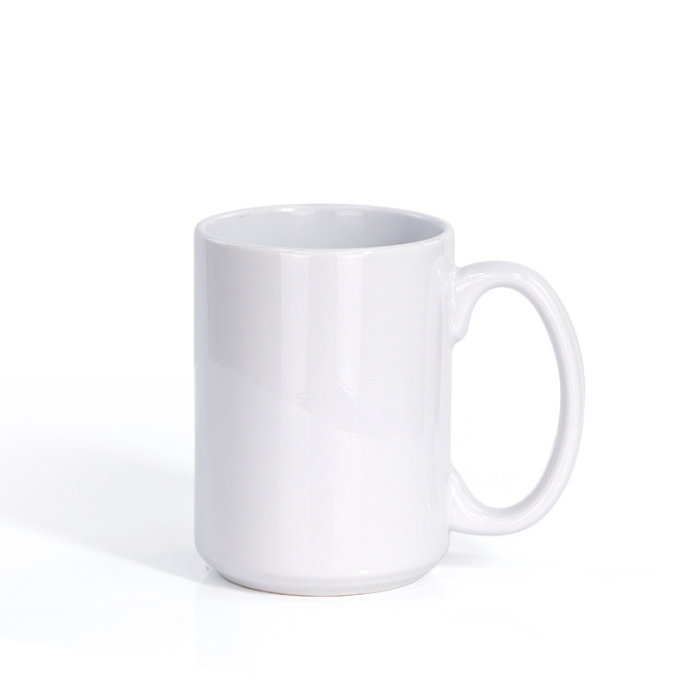 The Sample Room: Why Approval Needs a Physical Record What a sealed, dated reference protects you from, and why photographs never settle a quality argument. |
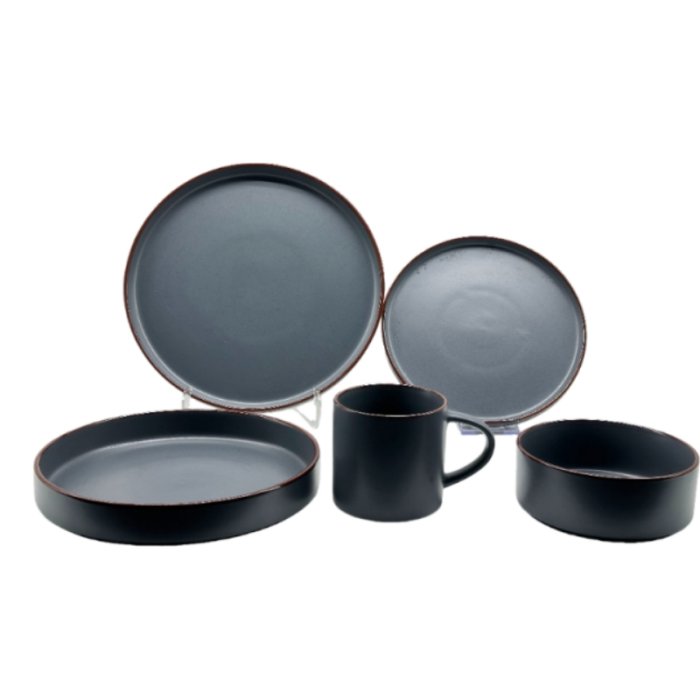 Dimensional Tolerance on a Fired Mug Which dimensions decide whether lids, stacking and carton counts still work, and how to write them down. |
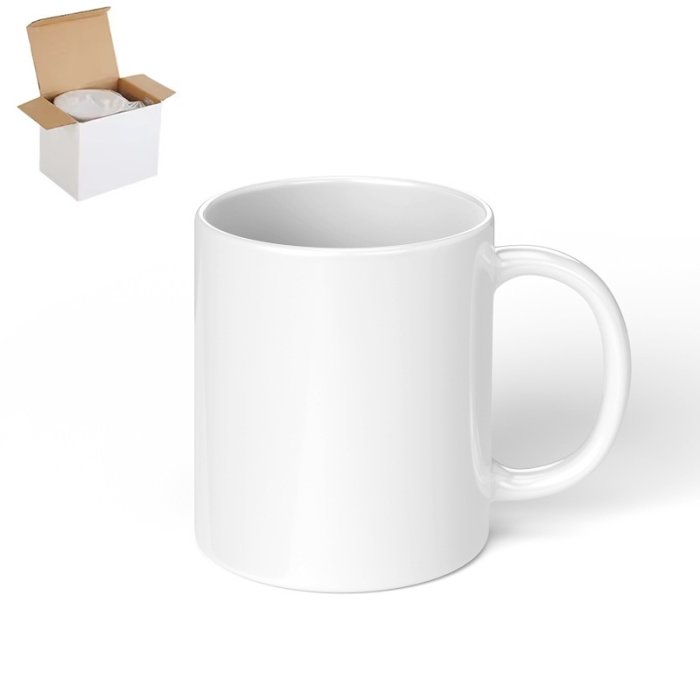 Weight Classes: Why 350g and 280g Are Different Products How weight, and the wall thickness behind it, sets perceived value, chip resistance and freight cost. |
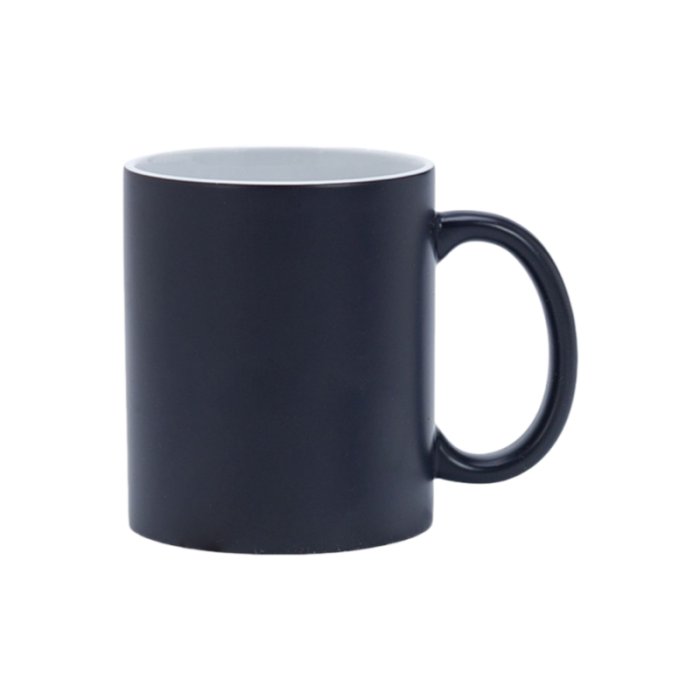 Approving Colour From a Screen Why a PDF and a fired mug never match, and the three decisions that end the debate before production. |
| 02 | Calendar watch | three dates that move lead times |
| 6 Feb 2027Chinese New Year | Factories begin winding down in late JanuarySlots before the break are the first to close and the last to reopen. If your peak depends on pre-holiday production, the booking decision sits in the quiet month, not the busy one. |
| 23–27 OctCanton Fair, Phase 2 | Consumables and ceramics are in Phase 2A useful week to read the category even without a booth: breadth of shapes, surface finishes, and what competitors are showing. Spec negotiation still belongs after the fair, not on the floor. |
| Maythe Christmas window | Sample approval needs to be finished by MayWorking backwards from a September shelf date: August at the distribution centre, June to July ex-works, so April and May are the last comfortable months to settle a design. |
| 03 | A question we were asked |
We do not produce below 5,000 pieces per design, and we do not run trial-scale batches. What we will do is hold your specification on file, tell you exactly what your first order needs to contain, and quote it properly when the volume is there.
The reason is not policy for its own sake. A short run occupies a full firing cycle: the same kiln time, the same handling, the same reject rate. Splitting it into a trial batch and a main batch does not reduce that cost. It pays it twice.
| 04 | Supply note |
Ceramic is fired in batches, so order timing matters more than order size. Production slots are booked earlier than most buyers expect, and the calendar tightens around Chinese New Year.
One term worth knowing
Vitrification
The point in firing where the body develops enough glass phase that open porosity drops sharply. It is what makes a mug resist staining, survive a dishwasher and hold its colour. Two mugs of identical shape can sit on different sides of that line, which is why water absorption is a specification number and not a marketing word.
| 05 | One checklist | before you approve a sample |
| ✓Body and glaze named, not described |
| ✓Rim diameter and ovality written with a tolerance |
| ✓Weight recorded, with the measurement method |
| ✓Decoration position stated: underglaze, in-glaze or on-glaze |
| ✓Colour approved against a fired swatch, not a screen |
| ✓Wash test result recorded on the actual decoration |
| ✓Packing and carton configuration agreed in writing |
| ✓A sealed retained sample held by the factory, with a date |
| 06 | From the factory |
Our Liling partner lines are running Q4 at capacity. The buyer's column now covers six sections — sourcing, manufacturing, quality, packing, channels and how we work — and the index is updated every time a guide is published.
| 07 | Read next | three pieces behind this issue |
| Water Absorption: The Number That Predicts Staining and CrazingThe single percentage that explains most long-term complaints. |
| The Tap Test: What a Mug's Sound Tells YouHow to hear a hidden crack in five seconds, and the three cases it misses. |
| Order Visibility: What You Should Be Able to SeeThe eight milestones, and the three gaps where buyers lose weeks. |
For the next issue
What would you like answered? Write to us with one question. The ones we can answer publicly become Issue 02.
If you are pricing a programme
Send the item list, the quantity and the decoration. We return an itemised quotation, a sample plan and a loading plan, in that order, so the dates are real before the price is agreed.
Send an inquiry WhatsAppMinimum 5,000 pieces per design · Liling, Hunan
Who writes this. Storiware is a manufacturing sourcing company for ceramic mugs and tableware, working with partner factories in Liling, Hunan. This briefing is written for buyers placing volume orders — chains, hotels, importers and distributors — and it carries no prices, because prices belong in a quotation.
Please send your message to us
- Phone
- *Title
- *Content
- Upload
- Only supports .rar/.zip/.jpg/.png/.gif/.doc/.xls/.pdf, maximum 20MB.