
Weight Classes: Why a 350g Mug and a 280g Mug Are Different Products
The Problem: Capacity Is Not the Whole Specification
Two mugs can hold the same 350 ml and still not be the same product: one feels substantial in the hand, the other feels thin; one survives a rack, the other chips at the rim; one costs more to ship for the same order value. All of that is decided by weight and the wall thickness behind it — a variable that is rarely written into a quotation, and almost never into a tolerance.
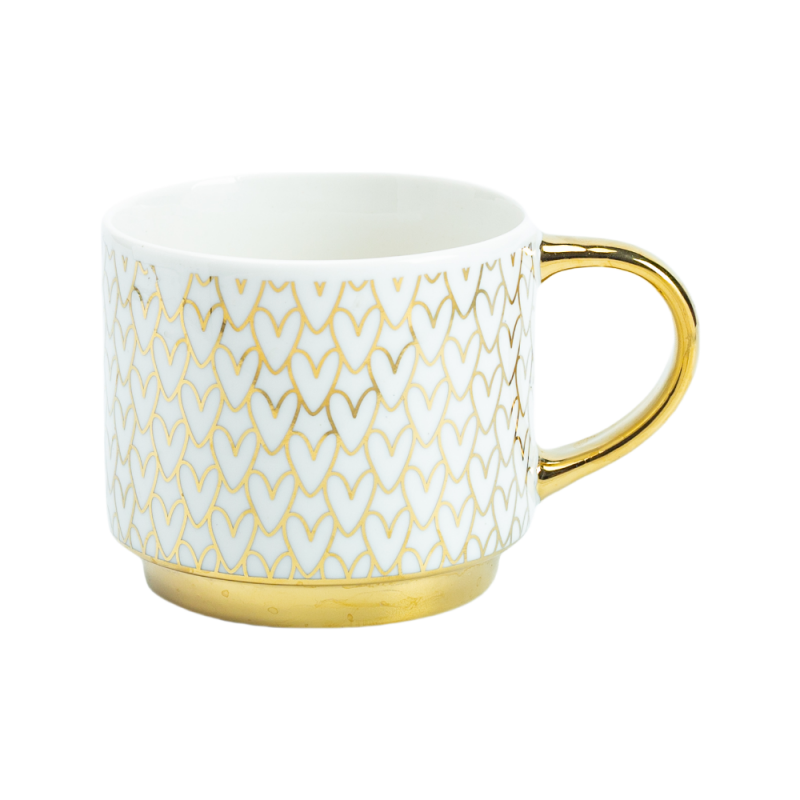
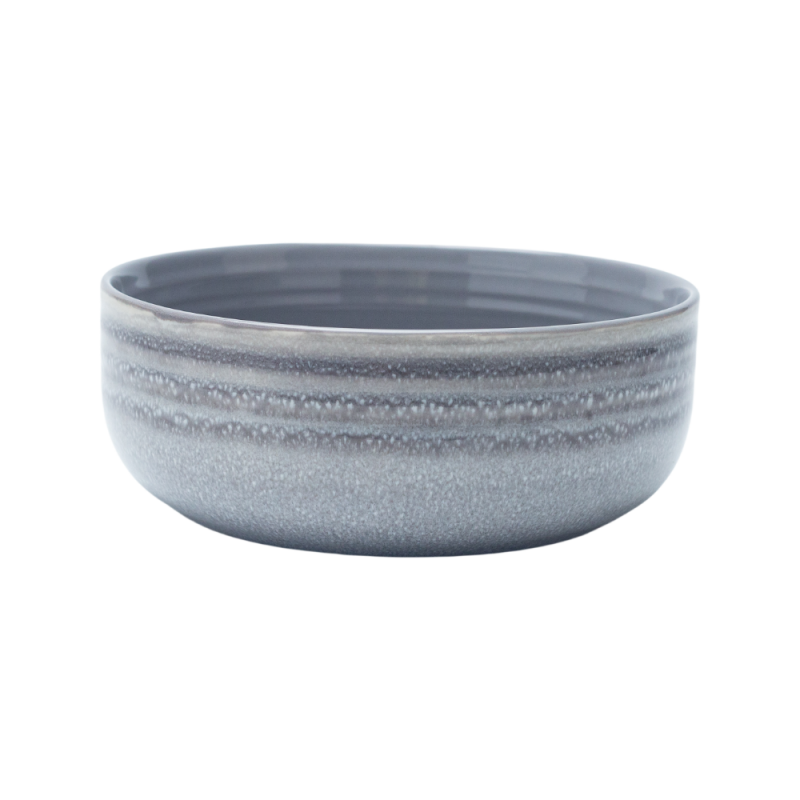
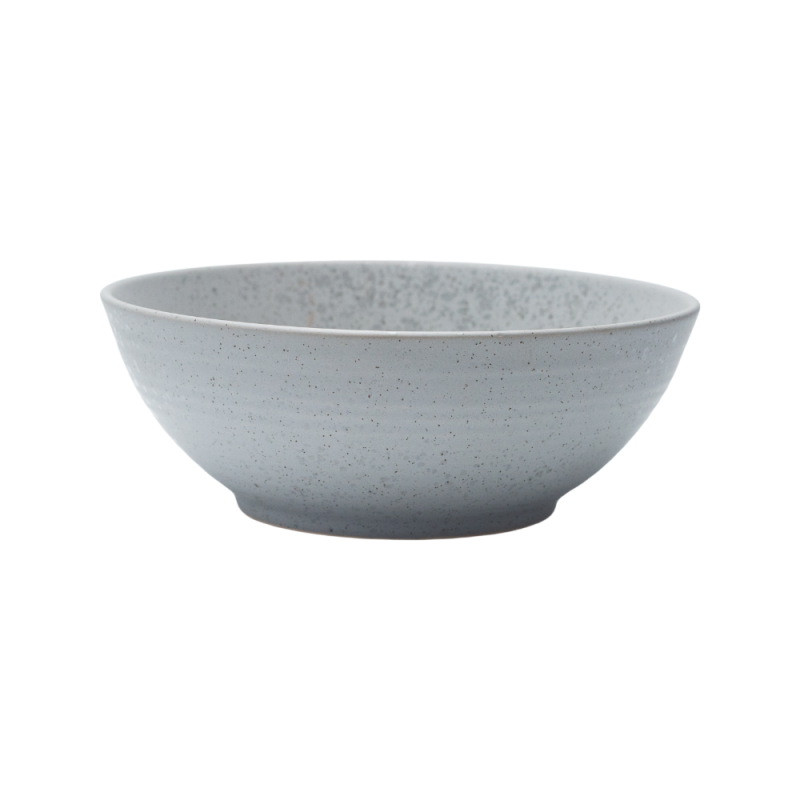
Products in this guide: White Ceramic Dinnerware Sets · Gold Handle Ceramic Mug
What Weight Actually Controls
Perceived value. In the hand, weight reads as quality before anything else is noticed — more reliably than decoration or glaze. For a retail or gift programme this is a commercial lever: a heavier body supports a higher price, and a buyer who specifies a weight class is deciding the product's shelf position.
Chip resistance. A thicker wall and a heavier rim absorb impacts that chip a thin one. In commercial washing, where pieces knock together, this is the difference between a two-year and a five-year lifespan — which is why weight belongs in the specification next to the dishwasher cycle count rather than in a marketing sentence.
Heat retention. Mass holds heat. A heavier mug keeps a drink warm longer, which matters in cafés, offices and any channel where the drink is not consumed immediately.
Freight cost. Weight is paid for twice: in material, and in freight. A 12 per cent heavier body, on a container of mugs, is a meaningful freight line — so the weight class should be chosen deliberately rather than drifting upward for its own sake.
How Weight Is Produced
Four variables set the final weight, and knowing them makes the specification enforceable:
- Wall thickness in the body — the primary lever.
- Handle section — a chunky handle adds grams where they are most noticed in the hand.
- Base thickness — mass low in the body improves stability and adds weight efficiently.
- Firing and shrinkage — the same mould with different firing can produce slightly different final weight.
Because these interact, a weight class should be specified as a target with a tolerance band — for example a nominal weight and an acceptable range around it — rather than as an exact figure.
Why the Tolerance Matters More Than the Number
Weight drifts between batches for the same reasons colour does: body preparation, forming pressure, firing. Without a stated band, batch two arrives at a slightly different weight, and the buyer discovers it in the hand. With a band, the factory has a criterion to sort against — and the buyer has a basis for accepting or rejecting.
For a repeat programme, the practical formulation is: nominal weight, tolerance band, measurement method (which scale, weighed when, dry or as-packed) — and a note on whether the handle is included in the figure. Ambiguity here causes arguments that look like quality disputes but are actually definition disputes.
Pairing Weight With the Rest of the Specification
Weight is not a standalone decision. It interacts directly with three others:
- Capacity — a heavier body at the same capacity means thicker walls rather than a bigger mug.
- Chip resistance and wash cycles — thicker walls raise both, so the three should be specified together.
- Packing and freight — pieces per carton and cartons per container depend on the weight class, and both numbers must be re-quoted when the class changes.
The cleanest approach is to treat weight as a programme constant: one weight class for the range, so that a mug and a cup from the same programme feel like one family and a replacement piece matches the original.
See <a href="https://www.storiwareceramicmugs.com/oid1757203/The-Custom-Mug-Programme-Buyer-Guides-by-Decision.htm">the custom mug programme guides</a> for the related decisions, including the material and glaze questions that pair with weight. Our <a href="https://www.storiwareceramicmugs.com/products2147420/Custom-Ceramic-Mugs-Cups.htm">ceramic mugs and cups</a> range is quoted with a nominal weight and tolerance, and the <a href="https://www.storiwareceramicmugs.com/oid1756307/Custom-Ceramic-Mugs-Bulk-Order-Factory-Direct-from-China.htm">bulk order programme</a> explains how sampling and production fit together. To set a weight class for a programme, <a href="/contact-us.htm">send the capacity, the channel and the target weight</a>.
The spec freeze guide explains how artwork and packing files are locked between orders.
What to Put in the Order
- A nominal weight, with a stated tolerance band.
- The measurement method: scale, condition (dry or packed), and whether the handle is included.
- Wall and base thickness as the levers behind the number.
- Chip resistance and wash cycle figures specified alongside the weight.
- Packing and container numbers re-quoted for the chosen class.
- One weight class for the range, so replacements still match.
The packaging guide explains how retail-ready and protective layers are specified together.
The Habit That Ties It Together
The habit is to write the weight down — nominal, tolerance, method — and to choose it against the channel rather than let it drift.
Related Products
Explore products featured in this guide:

Have questions? See our Sizes & Finishes FAQ and Ordering & Certifications FAQ.
Need a custom quote? Send an inquiry or browse our full product catalog.

