





Where the Labour Sits: Why Two Quotes for the Same Mug Differ
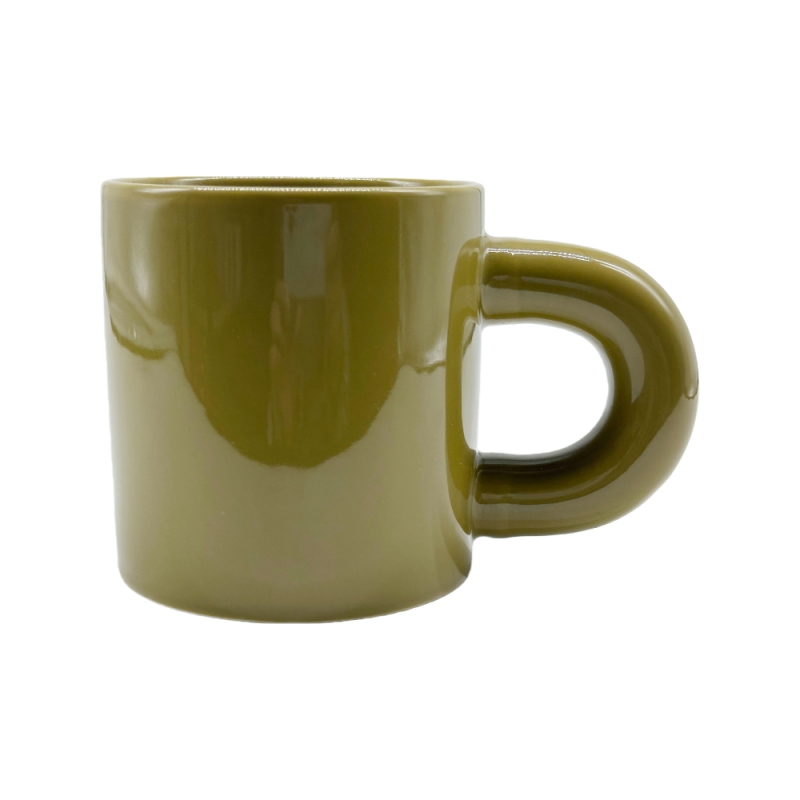
A buyer sends one drawing to three factories and gets three answers. Same body, same glaze, same packing format, and a spread wide enough to restart the conversation. When the file really is identical, the difference is rarely in the material. It sits in how many times a person has to pick the piece up between the clay and the carton, and how much of that a machine does at each plant.
Products in this guide: White Stoneware Salad Plate · Japanese Ramen Bowl
Labour in a ceramic plant is not a single line that rises and falls with wages. It is a count: how many times a piece is handled, positioned, checked and set down. That count is fixed by the shape, the decoration method and the packing format, and it is settled long before anyone discusses money.
A buyer cannot audit a wage sheet. But the count can be compared, because it leaves traces in questions a factory answers quickly: which stations are still manual, how many pieces one operator handles in a shift, what a second colour adds to the route.
The Stations a Mug Passes Through
A piece of tableware moves through a fixed sequence, and each step is a handling event even when a machine does the work. Forming sets the shape. Fettling removes the seam and trims the foot. Handles are attached, usually by hand. Glaze goes on by dip or spray. Decoration is applied and fired. The piece is inspected, then packed.
Automation changed the middle of that list, not all of it. A press turns out bodies faster than any jigger operator, and a spray line glazes a row without a wrist in the way. What did not change is that every transfer costs time, and the time is charged to the order.
Which Operations Still Take a Person
The stations below are manual at most plants making decorated tableware, and they are where labour differences between factories usually live:
- Forming: a press operator loads and unloads, and a casting shop needs people to pour, top up and demould, so a cast handle costs more handling than a pressed one.
- Fettling: sponging the seam, trimming the foot ring and wiping the rim is hand work everywhere, and it is the first place a pressured plant shortens.
- Handle attaching: positioning, wetting the joint and smoothing it are done by eye and hand, with a fixture doing only part of the alignment.
- Glazing: a dip is a person holding the piece and turning it; spraying can be automated, but loading and touching up still need hands.
- Decoration: a decal is placed by hand unless the pattern is printed on a machine line, and it lands on a body that will shrink afterwards.
- Packing: bulk cartons and individually boxed pieces are different amounts of work for the same count.
Why Decoration Multiplies the Count
A plain white mug is one glaze pass, one firing and one visual check. Add a decal and the route gains a placement station, a second firing to fuse it, and a second check after that firing. Add a second colour and the placement and the registration check repeat. Gold or luster adds a further pass, with its own handling and reject risk.
This is why the same shape in four colours is not simply four times the work, but it is a different order of work. The extra load does not fall evenly either: it lands on the decoration bench and the inspection bench, the two places where capacity is hardest to add.
What Changes the Count Without Changing the Drawing
The drawing fixes the shape. It does not fix the route, and several choices made afterwards move the count:
- Order size, because setup is a fixed block of handling that either spreads across many pieces or lands on a few.
- Packing format, because a retail box, an insert and a printed sleeve each add a step.
- Inspection level, because a tighter limit means more pieces looked at, and more looked at twice.
- Whether the saucer is matched to the cup, which doubles the pieces handled per set.
- Whether the handle is cast or pressed, which decides how much of the joint is finished by hand.
This is also why two quotes built on different paperwork cannot be compared. The count moves when the specification moves, so the comparison holds only once artwork, packing file and acceptance limit are locked for both. The spec freeze guide explains how artwork and packing files are locked between orders.
How to Compare Two Quotes Without a Wage Sheet
Compare structures rather than totals, and ask questions only a plant with a real route can answer: which stations on this product are manual; how many pieces per operator per shift at fettling and at decoration; what a second colour adds; what changes in the packing hall if pieces ship boxed rather than bulk; and who signs the first piece off each shift.
A gap that appears only in labour has three honest explanations. One plant is more automated. One plant genuinely needs fewer operations for the same result. Or one quote assumed a count the plant cannot hold for a whole run, and the shortfall will be recovered later.
The Warning Sign That Arrives Before the Delay
When the count is under-quoted, recovery happens at the cheapest station, and the cheapest station is fettling. Sponging gets faster, the seam is left heavier, the rim is wiped once instead of twice. The defects that follow are the ones buyers recognise late: chips at the rim, handles sitting low at the joint, decal edges off register. They cluster in the hand operations because that is where the time was taken out.
A lot that fails in exactly those places is worth reading as a statement about the schedule, not only about the glaze. The sealed reference both sides agreed at the start settles whether the piece changed or the standard did. The master sample guide explains how sealed references keep batches identical.
Where This Stops
Labour content explains variance between plants working to the same specification. It does not explain a quote on its own. Kiln yield, body material and packing specification move the total far more in some orders, and none of them appear in a count of handling events. A clean operation list does not answer the capability question either: a plant can run a well-documented route and still drift between loads.
Ask for the route once and keep the answer with the order file. It gives a buyer a second axis: two quotes that differ on labour can be tested against a description rather than a feeling, and when the count changes without a specification change, the question has an answer before the container is booked.
Related Products
Explore products featured in this guide:


Have questions? See our Sizes & Finishes FAQ and Ordering & Certifications FAQ.
Need a custom quote? Send an inquiry or browse our full product catalog.

