The Master Sample: How Sealed References Keep Repeat Batches on Colour and Form
The Problem: Colour Moves Even When Nothing Was Meant to Change
Glaze chemistry, kiln temperature, firing position — each affects the final colour of a ceramic piece, and each varies slightly from batch to batch even inside a well-run factory. A buyer who orders batch two "the same as batch one" may receive a mug that is close but not identical, and without an agreed reference the argument about what "the same" means runs in circles. The master sample is the answer used across the industry: a physical piece, sealed and stored, that both sides treat as the definition of the colour, form and finish for that product. This guide explains how master samples work and how buyers use them across repeat orders.
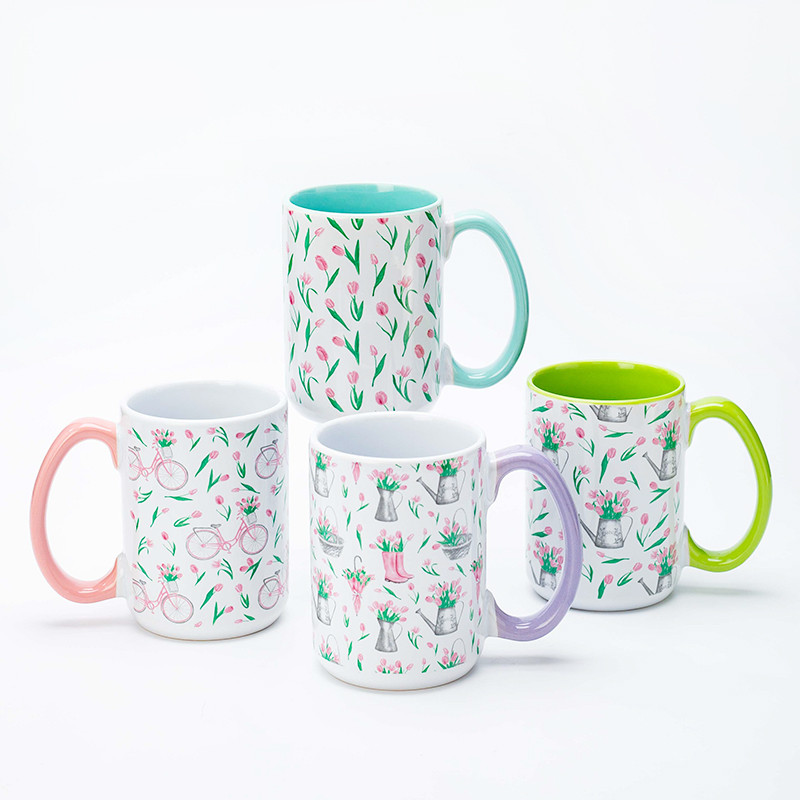
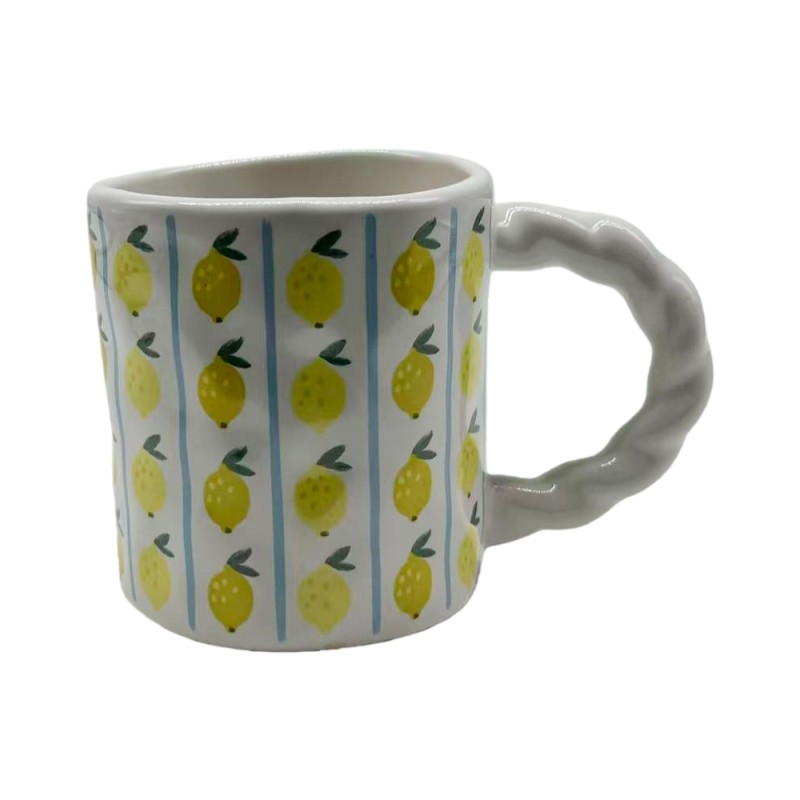
Products in this guide: Ceramic Decal Printing Fresh Floral Ceramic Coffee Mugs · Printed Stoneware Ceramic Mug
Where This Fits in the Sourcing Chain
Colour judgement happens at the release gates before the bulk run, and again when a reorder is produced. The release-gate guide explains the checkpoints before the bulk run. The master sample is the object those gates reference: batch one's approved sample becomes the sealed reference for batch two. See the full ceramic sourcing process map.
What a Master Sample Is — and Is Not
A master sample is one physical piece (or a small set) that has been approved by the buyer and retained by both sides as the benchmark for a specific SKU and decoration. It is not the same as a pre-production sample sent for one-off approval, and it is not a photo on a phone — photos shift colour under different light. The master sample is the artefact that ends arguments, because it can be held next to a production piece under the same light and compared directly.
- One per product and decoration. A different glaze or a different print position needs its own master, because the reference is specific to that combination.
- Sealed and labelled. The piece is marked with the SKU, the date and the approval signature, then stored where it will not be handled or exposed to light for long periods.
- Held by both sides. The factory keeps its copy for production and inspection; the buyer keeps theirs for receiving checks. Both should agree which copy is the reference if they ever differ.
Why Ceramic Needs a Physical Reference
Ceramic colour cannot be specified to the same tolerance as printed paper. Glaze is a chemical reaction in a kiln; the same glaze recipe can read warmer or cooler depending on firing conditions. Instrument measurement (such as colour coordinates on approved samples) helps, but the human eye on a physical piece remains the practical final judge for decorative ceramics. The master sample bridges the gap: it captures the colour, the glaze texture and the form together, in the same conditions the production piece will be judged under.
How to Use the Master Sample Across Reorders
- Approve batch one against the master. When the first production batch is made, compare it directly with the master sample and approve or reject on that basis — not against memory of a previous delivery.
- Reference it in every reorder. Write the master sample number into the order and the pre-production confirmation, the same way you reference artwork versions when you freeze a specification.
- Check production pieces against it. At the factory's inspection and at your receiving check, hold production pieces next to the master under consistent light. Look at glaze colour, surface texture and form together.
- Refresh the master when it wears or changes. A master that has been handled, chipped or exposed to light for years is a drifting reference. Replace it periodically with a new piece confirmed against the old one — and agree the replacement in writing.
A Colour and Form Check List for Reorders
- Glaze colour compared under the same light as the master
- Glaze texture and finish (matte, gloss, reactive variation) matched
- Form: capacity, handle, foot and profile compared with the master
- Print or decal position and colour checked against the approved artwork
- Any acceptable variation range agreed in advance and written down
Common Mistakes Buyers Make with Master Samples
- Relying on a photo of batch one instead of a physical sealed sample, then disputing colour from memory.
- Letting the "master" be whichever sample happens to be lying around, unlabelled, so nobody knows what it actually represents.
- Judging production under different light each time — a piece that matches in a warehouse may look off in an office.
- Never refreshing the master, so after several years the reference has drifted through wear and the buyer is matching a ghost.
How Storiware Manages Master Samples
For repeat programs, Storiware retains approved samples per SKU and decoration as the working reference on the factory side, and the buyer keeps a matching copy. When a reorder is produced, the factory's inspection compares production pieces against that retained sample under controlled light, and the pre-shipment report records the comparison. Reactive glazes and kiln-varied finishes are judged against the same principle — the agreed piece, not the memory of a colour — so both sides know exactly what batch two is being matched to.
Buyer Checklist for a Master Sample Program
- One sealed master per product and decoration, labelled and dated
- Factory and buyer each hold a copy, with the reference copy agreed
- Master sample number written into every reorder
- Production checked against the master, not against memory
- Refresh schedule agreed for worn or aged masters
- Acceptable variation range documented in advance
A master sample does not make every batch identical — ceramics are not that predictable. It makes every batch accountable to the same reference, which is how repeat buyers keep colour arguments short and reorders on brand.
Comparing supply routes? Our custom ceramic mug programme page explains what a factory-direct order actually includes.
Related Products
Explore products featured in this guide:
Have questions? See our Sizes & Finishes FAQ and Ordering & Certifications FAQ.
Need a custom quote? Send an inquiry or browse our full product catalog.