From Sample Approval to Bulk Run: The Release Gates That Protect Your Order
Why the Space Between Sample and Shipment Decides Your Order
A beautiful pre-production sample is not a guarantee. Between that sample and the finished cartons sits a stretch of weeks where glaze batches, kiln loads and packing lines can drift away from what you approved. Buyers who treat the sample as the finish line usually discover the drift at the container. Buyers who run release gates treat the sample as the starting line — and protect the order at four moments where a problem is still cheap to fix.
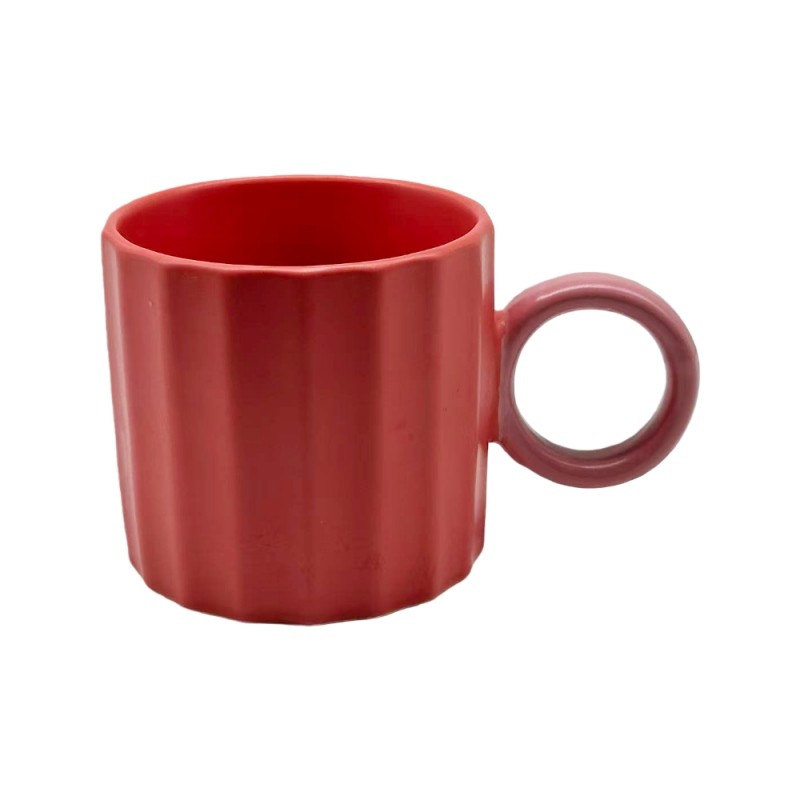
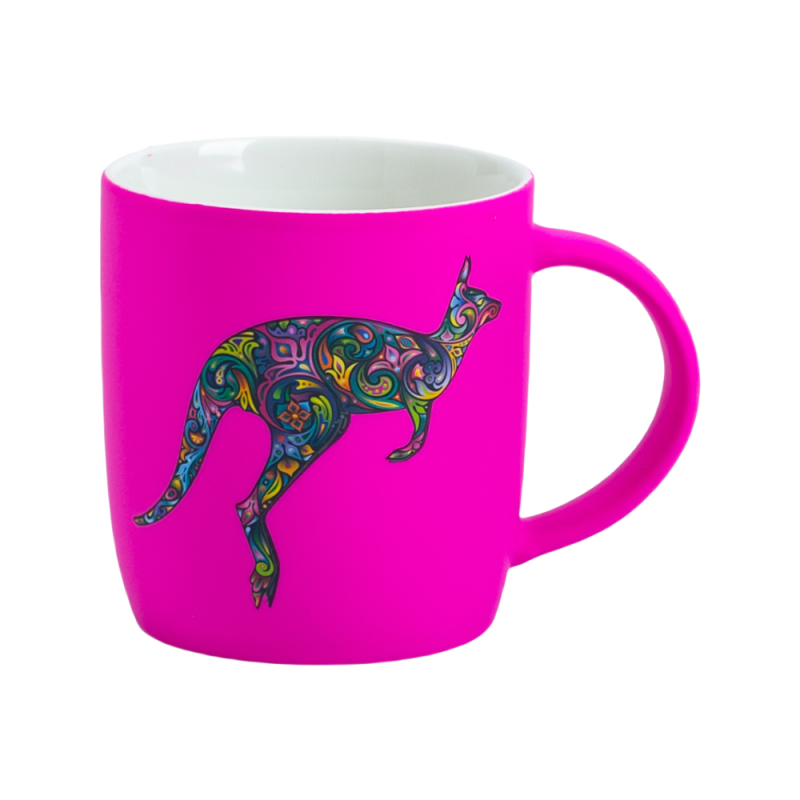
Products in this guide: Creative Ceramic Mug · Soft Touch Promotional Mug
Where This Fits in the Sourcing Chain
Sample approval is the handshake between development and production. See the full ceramic sourcing process map. Once the design is frozen, the release gates below are the checkpoints that keep the bulk run honest, so the mug your customer opens matches the mug you signed off.
The Four Release Gates Between Approval and Bulk Run
A release gate is a moment when production may not continue until someone approves evidence. For a ceramic order, the four gates that matter are:
- First article approval. The factory produces a small number of pieces from the actual production line — not from the sample studio — using the production glaze, decal and kiln program. This is the first evidence that the line, not the hand, can make your design. Approve it only against the sealed reference, piece by piece: shape, glaze color, decal placement, weight.
- Sealed sample sign-off. Both sides hold one physical reference — the sealed sample — that every later comparison points to. Sign-off means writing down the agreed tolerances: glaze shade difference, handle angle, decal position, weight range. A sealed sample without written tolerances is a color you remember differently in two countries.
- In-line production checks. Mid-production inspection is your window into the run while the factory can still react. The check compares pieces pulled from the line against the sealed sample and looks for drift in glaze, size and packing as batches change. Agree the check points and the sampling ratio before production starts, not during it.
- Pre-shipment sample and inspection. Before the container is booked or sealed, a final sample from the packed batch is checked together with the cartons. This gate confirms the goods that ship are the goods you approved — and gives you the evidence to hold if anything is disputed at arrival.
How to Run Each Gate Without Slowing the Factory
The common objection is that gates slow production. Run properly, they do the opposite, because each one is a fixed, predictable stop instead of an emergency:
- Agree the gates in the order confirmation. List the four checkpoints, who approves each one, and the response window — for example, 48 hours for written approval. A gate without a response window becomes a delay.
- Approve in writing, with photos. A reply that says "approved" is weak; a reply that says "approved against sealed sample, photos attached" is a record. Keep one thread per order so the history is searchable.
- Name the tolerance, not the feeling. "Glaze slightly darker is acceptable within the sealed range" is actionable. "Make it look the same" is not.
- Decide the handling of a failed gate. If the first article fails, does the factory rework, re-fire or stop? Agree the fallback before you need it.
Common Mistakes Buyers Make
- Approving the development sample from the studio and never seeing a first article from the production line — the most common source of surprise.
- Treating the sample approval as final, so later pieces are compared to a memory instead of a sealed reference.
- Letting the factory start bulk production while written approval is still pending, "to keep the schedule."
- Skipping the pre-shipment gate on a repeat order because the last order was fine — the batch that drifts is often the one you did not check.
How Storiware Runs Release Gates
Storiware works from a sealed reference on custom ceramic orders. The factory can schedule first article production before the full bulk run, keeps the sealed sample on file for the duration of the order, and supports third-party in-line and pre-shipment inspection at agreed check points. When you approve each gate in writing, the bulk run, the packing line and the documents all follow the same approved reference — so the question "is this the mug I approved?" has a paper trail instead of a guess.
Buyer Checklist for the Release Gates
- Four gates agreed and listed in the order confirmation
- Written tolerance list signed with the sealed sample
- First article from the production line approved before bulk starts
- Response window fixed for each approval (for example 48 hours)
- In-line check points and sampling ratio agreed in advance
- Pre-shipment sample checked before the container is booked
- One written approval thread per order, with photos
With release gates in place, a sample is no longer a hope — it is a reference point your whole order is measured against.
The next step for most buyers is a quotation: our bulk order page starts with specification and target quantity.
Related Products
Explore products featured in this guide:
Have questions? See our Sizes & Finishes FAQ and Ordering & Certifications FAQ.
Need a custom quote? Send an inquiry or browse our full product catalog.