



Where the Heat Goes: Specifying Heat Retention on a Ceramic Mug
A buyer shortlists two mugs for a cafe chain and asks the obvious question: which one keeps the coffee hot longer. Both factories answer yes. One sends a photograph of steam rising off a mug. The other writes that the wall is thick, which is true and settles nothing. Six months later the complaint arrives from a store rather than from the buyer, and there is no agreed way to say whether the mug behaved as promised.
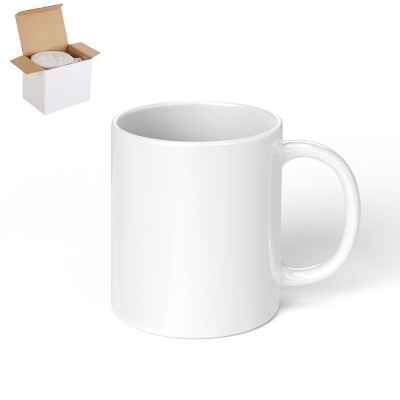
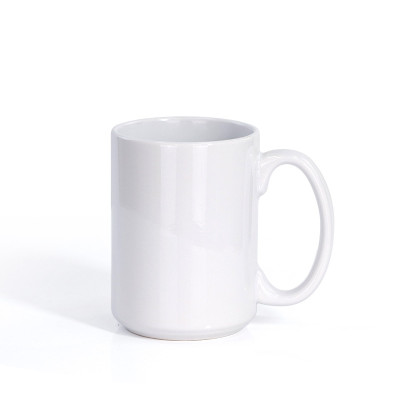
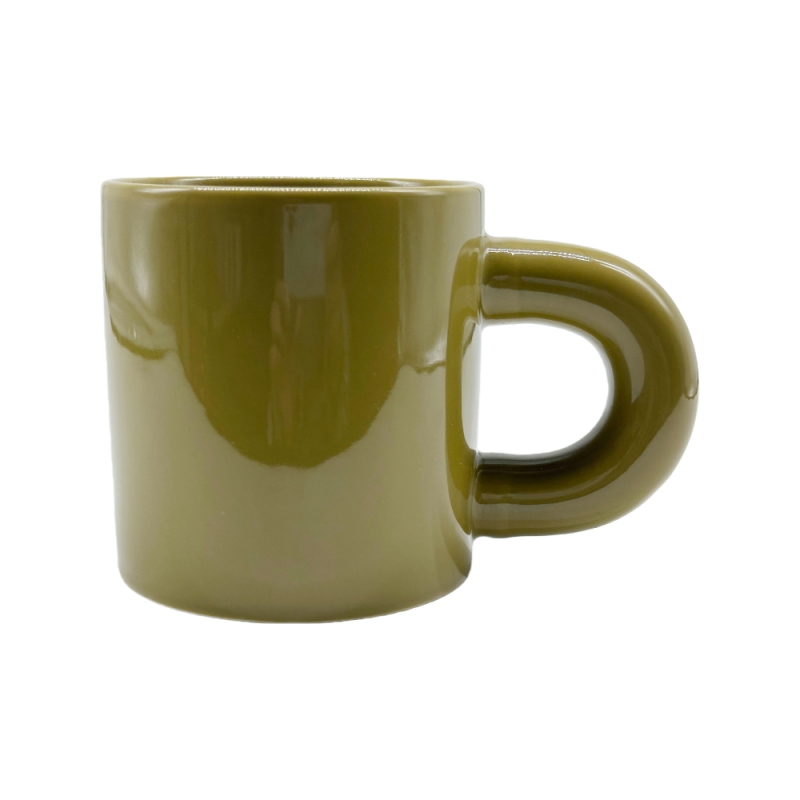
Products in this guide: 650ml Large Ceramic Coffee Mug · Porcelain Ceramic Soup Bowl
Retention is not a property you can read off a material. It is the outcome of a vessel, a drink and a set of conditions, and the conditions are almost never written down. A mug that holds heat on a warm counter can lose it quickly at a terrace table in December. The figure that matters is a temperature at a stated time, and it means something only beside the starting temperature, the volume poured and the room.
Which is why the specification is worth writing before the order rather than after the complaint. What follows is where the heat goes, which parts of the mug decide it, how to compare two samples in an afternoon, and what to put in the order.
The Four Exits for Heat
A mug is not a thermos. It is a small open vessel with a large surface and a heavy base, and heat leaves it by four routes at once.
- Into the mug itself. The first thing the drink warms is the ware. A heavy body absorbs more heat in the opening minutes than a thin one, so the drink starts lower. That is thermal mass, and it is why a heavy mug can feel pleasantly warm while the coffee inside is already cooling.
- Through the wall. Ceramic conducts poorly compared with metal, which is the only reason it works at all, but poor is not none. Heat crosses the body to the outside air, and a wider gap between inside and outside moves more of it.
- Off the open surface. Evaporation takes far more energy than most buyers expect. Every square centimetre of exposed liquid loses heat upward, and a wide cup loses faster than a narrow one holding the same volume.
- Into whatever it stands on. A cold stone or steel table pulls heat through the base. A coaster or a wooden tray changes the number without changing the mug.
The consequence is that no single route dominates. A mug can be thick-walled and still cool quickly because it is wide and uncovered, while a thinner one holds well because it is tall, narrow and lidded.
Why Thickness Is Only Half the Answer
Thickness is the answer suppliers give most often, and it does something: it adds mass and lengthens the path heat must travel. The two effects pull against each other, because the extra mass takes heat from the drink at the start while the longer path returns some of it later. Thick walls also add shipping weight on every carton, and change how the rim meets the mouth. Thickness buys a flatter curve, not a hotter drink; where a drink is finished within ten minutes, preheating matters more than the body.
The Opening Decides More Than the Wall
The largest variable in most service settings is the area of liquid exposed to air, set by rim diameter, fill level and whether a lid is fitted. A tall mug filled near the rim and a wide bowl-shaped cup can hold the same volume and behave nothing alike. A lid changes the comparison entirely, because it removes the evaporative route and traps saturated air above the drink.
For dine-in service a lid never reaches the table, and fill level becomes a training matter. For a hotel room tray or an office programme, a lid is the cheapest retention device available and costs less than a heavier body.
Preheating Is the Cheapest Gain
Rinse the mug with hot water before service and the first minutes change, because the ware reaches the drink already warm and the mass that would have taken heat has nothing left to take. This is ordinary practice in good cafes and almost never written into a supply agreement, which is why two operators using the same mug report different experiences. Compare two mugs without preheating both the same way and you are measuring the test rather than the mug.
How to Compare Two Samples in an Afternoon
No laboratory is needed to choose between two candidates. What is needed is holding the conditions still and recording what was done.
- The same starting temperature for both, read in the cup and not in the kettle.
- The same volume in each, noting how far below the rim it sits.
- Both pieces in the same place, away from a draught and a warm appliance, with room temperature recorded.
- The same time points for both, with the intervals recorded rather than a single end figure.
- One thermometer throughout, stated lidded or open, and never a lidded mug against an open one.
The result is a comparison, not a certification. It tells you which piece holds heat better under your conditions, which is the only question the buyer is really asking. The master sample guide explains how sealed references keep batches identical.
What to Write in the Order
Retention belongs in the specification as a condition, not an adjective. The clauses that survive contact with a factory are the ones naming a test.
- Starting temperature of the drink, read after pouring.
- Volume poured, and the fill height relative to the rim.
- Ambient temperature, and whether the piece was preheated.
- Lidded or open, stated item by item.
- The time points at which the temperature is read.
- The acceptance rule, written as a maximum permitted drop against the approved reference.
Once that reference exists, a reorder is comparable with the first batch and a second factory can be measured against the same line. It is the discipline that keeps colour and dimensions stable between orders, applied to a number most buyers never put in writing. The spec freeze guide explains how artwork and packing files are locked between orders.
A mug does not keep a drink hot. It slows a fall that was always going to happen, at a rate set by four routes and one pour. Write the conditions and the rate becomes a specification the factory can be held to. Leave them out and the question returns to a photograph of steam.
Related Products
Explore products featured in this guide:


Have questions? See our Sizes & Finishes FAQ and Ordering & Certifications FAQ.
Need a custom quote? Send an inquiry or browse our full product catalog.