






Water: The Raw Material That Arrives Without a Specification
A ceramic order arrives with paperwork. There is a body recipe, a glaze recipe, a firing curve, a test report and a specification sheet with tolerances on it. None of those documents describes the water.
Products in this guide: Kiln-Varied Gradient Ceramic Mug · Nordic Matte Speckled Stoneware Bowl
Water is not a minor ingredient. In a dipping glaze it is often more than half the wet volume, and in a casting body it is the medium forming depends on. A factory can quote its clay by grade and its glaze by supplier, and still not say what came out of the tap on the morning your order was dipped.
We see this from the factory side. When a surface changes between two orders that used the same recipe, the answer is rarely in the recipe. It is usually in something nobody wrote down. See the full ceramic sourcing process map.
Six Places One Pipe Reaches
Follow the mains supply into a tableware plant and it does not go to one place: at least six, and only the first is written into a formula.
- Glaze preparation, where water sets the specific gravity and the viscosity of the slurry.
- Body preparation, where water is the carrier for blunging and the moisture level at forming.
- Washing and sponging, between forming and the first firing.
- Cleaning plaster moulds, which are porous and absorb whatever the water carries.
- The water curtain of a spray booth, which captures overspray and returns part of it to the glaze line.
- Cleaning of equipment, floors and jigs, which is where cross contamination between colours usually starts.
The first appears in the glaze record. The other five appear in none, because they count as housekeeping.
Three Numbers Nobody Writes Down
Three parameters do most of the damage, and each fails differently.
Hardness, reported as calcium carbonate, decides how water behaves with soap, with detergents and with the colloids in a glaze. On the finished piece it shows as a film or a chalky edge, most visibly on dark and matte surfaces. In the slurry it changes how particles stay in suspension, which is why a glaze can thicken in a week with nothing added.
Iron, dissolved or carried as fine particles, is the classic source of a dark speck that appears only after firing. It is small, isolated, and almost always blamed on the body.
Suspended solids and organic load cover turbidity, algae, corrosion products from old pipework and the residue of a filter changed late. In a glaze these become pinholes and blisters, hard to separate from the faults caused by trapped air.
A city supply is not a constant: the same tap differs between dry and wet season, and between districts fed by different reservoirs. That is how a recipe stays the same while the surface changes.
Why It Never Appears in the Report
The reason is administrative before it is technical. Tap water is treated as a utility, not a raw material, so nobody opens a specification for it. The meter records volume rather than quality. Softener regeneration is logged as maintenance, if at all. A supplier questionnaire asks which glaze brand is used and never where the water comes from.
At the point of complaint a factory can trace the glaze batch, the body batch and the firing curve. It usually cannot say what the water was doing that day, because the state was never captured.
The Moments Water Changes
Water changes at a handful of predictable moments, and none generates a change note, because change control covers designs and materials rather than pipework:
- A municipal switch, when supply moves to a different reservoir or a new connection is commissioned.
- The start of the rainy season, when surface water turbidity rises.
- A private borehole, where level and mineral content move with the water table.
- Softener regeneration, resin replacement, or a salt bin that ran empty for a fortnight.
- Plant expansion, where new pipework brings its own corrosion products and sealants.
- A jump in output, where treatment capacity stays the same while the draw doubles.
Any of these can move a glaze result without touching an approved document.
What a Buyer Can Ask For
Asking for a water analysis is the obvious move and the least useful one, because a laboratory report is a photograph of one day. Three things work better.
A written statement of source and treatment. Not a number, a description: municipal, borehole or mixed; softened or not; and the range the factory expects, not a single reading.
A notification duty. If the source or the treatment changes, the buyer hears about it before the next production run, and the first batch afterwards is compared against the approved reference. That is the logic of a specification freeze, applied to an input nobody froze. The spec freeze guide explains how artwork and packing files are locked between orders.
A retained comparison piece. One piece from each batch, kept with its date. A sealed reference tells you whether a surface has drifted; a water report tells you only what the water was on the day it was tested. The master sample guide explains how sealed references keep batches identical.
Three Faults That Are Not the Water
Attribution matters more than detection. Three common faults look like water and usually are not.
Iron specks that sit inside the body, visible on a broken edge, come from the clay or from wear on the grinding circuit, and will not respond to a softener. Blisters concentrated in one layer or one side of the kiln come from the firing, not from the pipe. Marks that follow the direction of a cloth or the shape of a glove come from handling after glazing.
A factory that treats every speck as a water problem will install equipment and still ship the defect. The useful test is distribution: water faults scatter across the whole load, the other three cluster.
What to Write in the Order
Three sentences are enough to make the subject visible. Name the source and treatment in the specification. Require notification before a change of source. Require one retained piece per batch with its date.
None of it is expensive, and none replaces the existing controls on body, glaze and firing. It closes a gap most specifications leave open, because the material that makes up half of a dipping glaze has never had a page of its own.
Our minimum is 5,000 pieces per item or per decoration, which is the scale at which a batch record is worth keeping properly. Buyers who ask about water early also ask about glaze batches and firing curves, and they argue less about defects after arrival.
Related Products
Explore products featured in this guide:

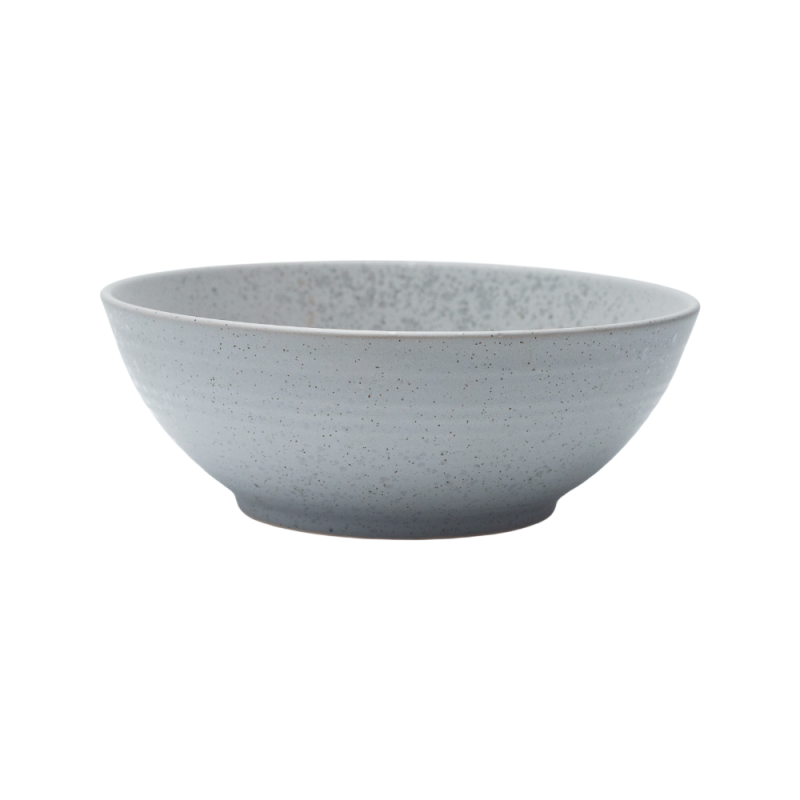
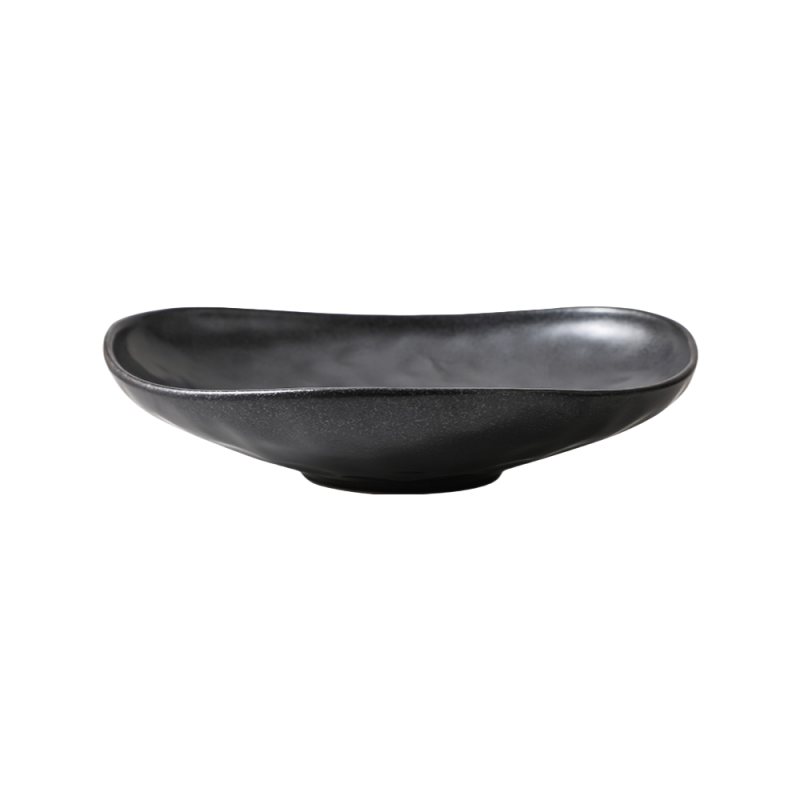
Have questions? See our Sizes & Finishes FAQ and Ordering & Certifications FAQ.
Need a custom quote? Send an inquiry or browse our full product catalog.

