






The Pieces That Do Not Ship: Destructive Testing and the Sample It Eats
A testing plan reads like a list of checks, and most of it is: a dimension, a colour against an approved chip, a tap on the rim, a weight on a scale. None of it costs more than time, and the same piece goes through them repeatedly.
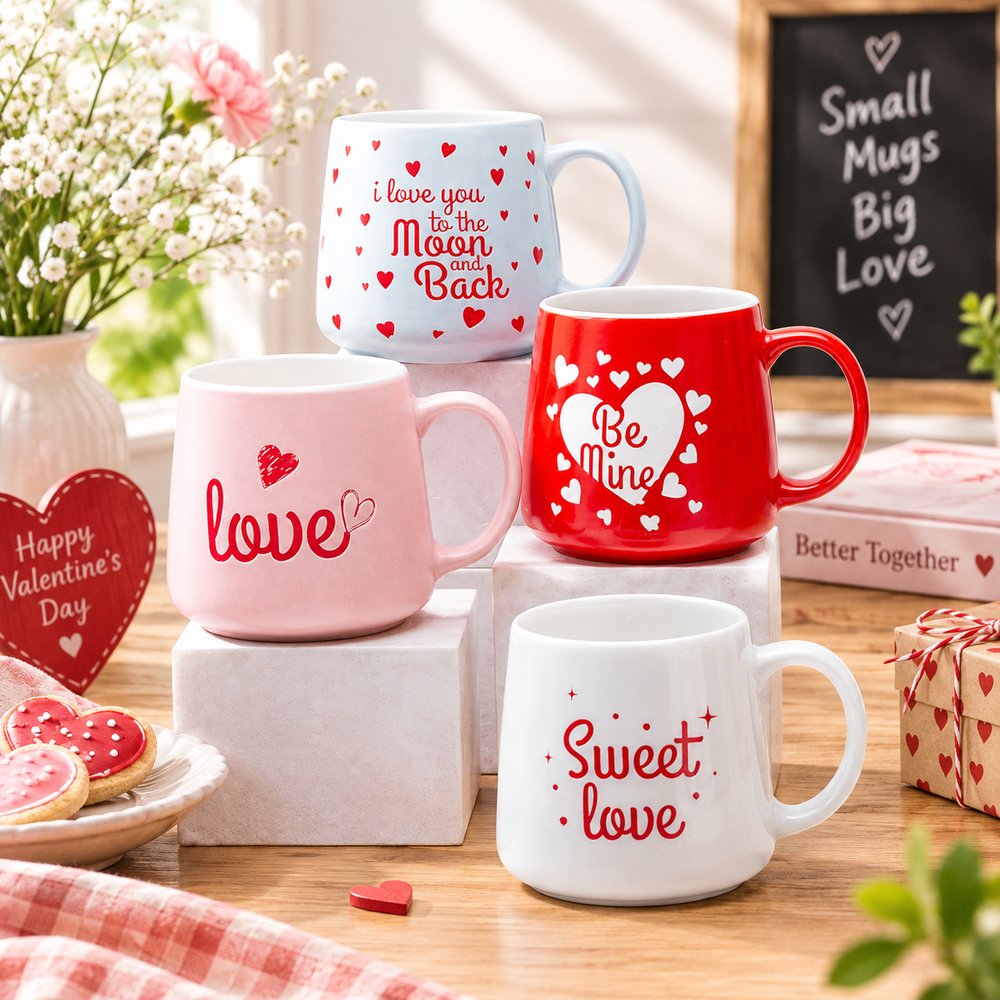
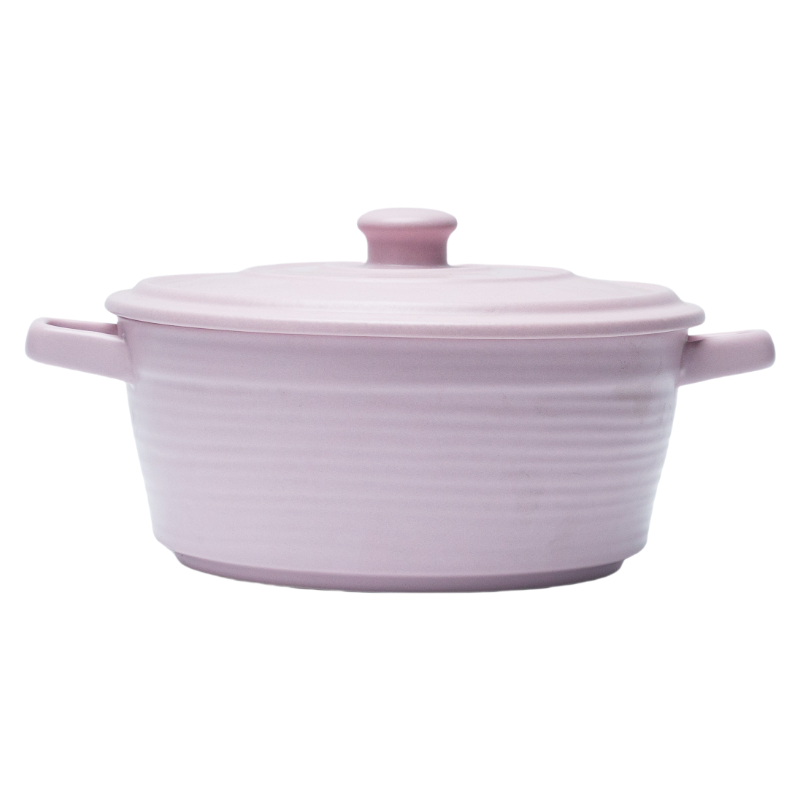
Products in this guide: Love Message Ceramic Mug 396ml · Porcelain Kids Bowl
The rest is different in kind. A drop test, a thermal shock cycle, a dishwasher run, an abrasion pass, a handle pulled until it gives, a leaching extraction that takes the glaze surface into solution. Each ends with a piece that cannot go back into the carton. The check does not inspect the piece. It consumes it.
That fact changes the arithmetic of an inspection plan, and it is rarely written down. Where the pieces come from, whether they count against the ordered quantity, and what a result from destroyed ware can claim about the thousands still intact: those three decide whether the report is evidence or decoration.
Two kinds of check, and only one is repeatable
Severity is not the difference. Survival is. A dimension, an appearance judgement, a colour comparison, a weight, a tap sound: repeatable, cheap, re-runnable by a person who disagrees with the first.
The destructive family is shorter and heavier:
- Impact and drop, where pack and piece are tested together and the piece usually loses.
- Thermal shock, hot ware into cold water or the reverse, until a crack opens.
- Dishwasher cycling, until decoration gives up before the body does.
- Surface abrasion, a pad on the glaze until the pattern fades.
- Handle pull, loaded until the junction fails, which is how you learn where it fails.
- Leaching extraction for lead and cadmium: the piece is filled, held, and the solution goes to the lab. It is spent either way.
Each produces one number and one fewer piece. That trade is the whole subject.
The draw point decides what the result describes
A destructive result describes the population the piece came from, nothing else.
Pull a mug from the sealed approval sample and the result describes a sample made months ago, on another line, under supervision no bulk run repeats. Pull pieces from cartons packed and waiting for the container and the result describes the goods about to be received. Make pieces for the lab and the result describes nothing, because everyone knows which pieces those are.
So the draw point is a written line: which lot, which firing setting, which carton, and where in the load they sat. Random within the lot matters more than the count, because a draw from the top layer is a sample of the top layer.
Three buckets that get confused
Most plans use one word, samples, for three objects with three owners, and the confusion is where arguments start.
- The sealed reference sample. The only object that settles a dispute about appearance, and not a test supply. Consume it and the next disagreement has no arbiter, only opinions. The master sample guide explains how sealed references keep batches identical.
- The carton units. Counted, packed, already part of the quantity the buyer pays for.
- The lab pieces. Reserved for testing, and the only bucket that should ever be destroyed on purpose.
A plan that treats them as interchangeable will eventually run a leaching test on the sealed sample, return the survivors to the cartons, and find the reference gone and the count short.
Who owns the piece that dies
If the test pieces come out of the ordered quantity, the order arrives short. That is arithmetic, not scandal, and it belongs in the order, not at the dock.
Three settlements exist. The factory runs an allowance above the order so testing does not touch the count, agreed as a number rather than a promise. The buyer accepts a short shipment of the tested pieces, simple and rarely worth the argument. Or the pieces come from ware already set aside, which is fast and produces the weakest evidence, because second-choice stock is not the population being shipped.
A clause saying testing is at factory cost, without saying how many pieces, from where, and against which quantity, leaves the shortfall to be explained after the container sails.
What a destroyed piece can still prove
It proves the lot, not the piece, and only the method as written.
A mug that survives a drop from a stated height onto a stated surface proves the pack met that event at that height. It says nothing about the corner of a loading bay, six weeks of vibration, or a carton thrown rather than placed. A handle holding a stated load at a stated angle proves one geometry; another angle is another test.
Counts follow the same rule. Three pieces with no failure do not establish a defect rate; they establish that the failure is not universal. One failure is a finding about the process, not a rate to multiply.
Timing decides which claim is available. On sample-stage ware the test proves the design can pass; at pre-shipment it proves this run passed. A report that does not name the stage supports neither.
The record that makes the result usable
A destructive test leaves less behind than any other check, so the sheet must carry what the piece cannot.
- The method in numbers: drop height and surface, temperature pair, cycle count, load and angle, dwell.
- The origin of the pieces: lot, carton, firing position, and who drew them.
- Two counts, tested and failed, written separately.
- What happened to the survivors, and whether they returned to stock.
- The failure mode, photographed before anything moves.
- Where the remains are held, and by whom.
Without the first line a pass cannot be reproduced; without the last, a failure cannot be re-examined when the next delivery differs.
Four lines that belong in the quality annex
The annex does not lack practice. It lacks four lines that remove ambiguity.
- Which checks are destructive, named one by one, not implied by a family name.
- The draw size and draw point, expressed as a lot and a location.
- Whether tested pieces are deducted from the ordered quantity, and the allowance if they are not.
- Who holds the remains, and for how long after the shipment closes.
A test plan is a file like any other and deserves what the artwork and packing specification get: frozen between orders, revised in writing. The spec freeze guide explains how artwork and packing files are locked between orders.
The cost of a destructive check was never the piece. It is the silence about whose piece it was, and what the number was ever meant to describe.
Related Products
Explore products featured in this guide:


Have questions? See our Sizes & Finishes FAQ and Ordering & Certifications FAQ.
Need a custom quote? Send an inquiry or browse our full product catalog.

