



The Name on the Certificate: Whose Factory Does It Actually Cover?
A certificate arrives as a scanned page, and most buyers read the logo at the top and the expiry date at the bottom. The three lines in the middle decide whether the page says anything about the mugs in your container.
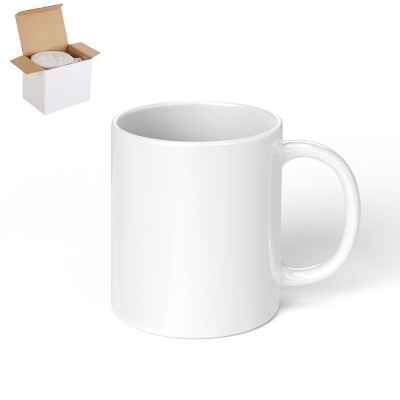
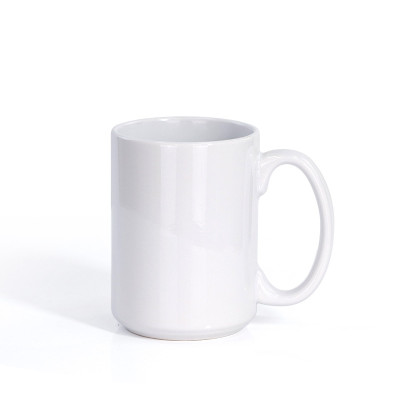
Products in this guide: Vintage Illustration Ceramic Mug 365ml · Porcelain Bowl for Kids
A certificate is issued to one legal entity, at named addresses, for a defined scope of activity. A purchase order is often placed with a different entity, ships from a site that may not be named, and covers work that can sit outside that scope. Where those line up, the certificate is evidence. Where they do not, it is stationery with a stamp.
What follows is a reading of the middle of the page. See the full ceramic sourcing process map.
The Three Lines That Do the Work
The name line identifies the entity that can be audited and held to a claim, and is often not the name on the proforma invoice. Groups divide functions: one company operates the plant, another holds the export licence and signs paperwork, a third may hold the brand. A certificate issued to the plant describes the plant. If your contract names the export company, the plant is that company's supplier, and the certificate sits a step away from your order.
The address line says where the certified activity happens. Certificates are site-specific. A group that forms bodies at one address and decorates and fires at another holds two documents, not one. The one in the email may be the one that does not. A single page offered for a two-site operation means one site sits outside it.
The scope line is the part buyers skip and the part that decides: a phrase naming an activity, whose verb is the whole claim.
The Verb in the Scope Line
Three verbs appear most often, and are not interchangeable.
Manufacture covers conversion of material into product at the named site, the strongest form a system certificate offers.
Processing covers a stage rather than the whole conversion, usually decorating, firing or glazing: legitimate for a specialist plant, incomplete for a buyer who assumed the page describes the article.
Sale, trade or distribution covers commercial handling only. It proves the company trades ceramic, not that it converts clay. Many reliable suppliers hold exactly that scope; it answers a different question from the one buyers are asking.
If the verb does not name the conversion you are buying, the page is a character reference, not a process guarantee.
Where Coverage Stops
Coverage rarely ends where buyers assume. Four breakpoints explain most surprises.
- A second site. Certificates follow addresses. A group that books the order at the named plant but runs overflow through a sister plant ships part of it from outside the scope, and the buyer learns this only when a claim forces the question.
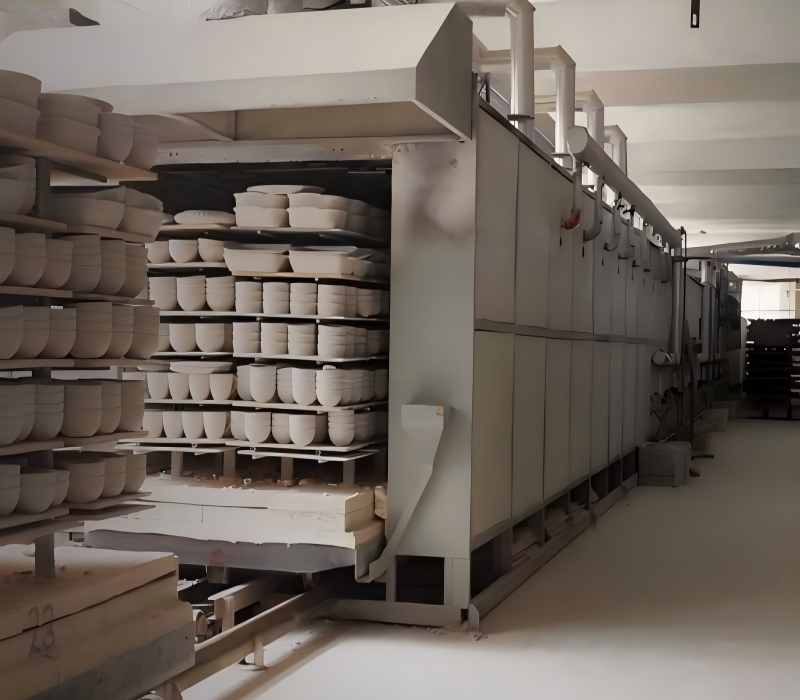
- An outsourced fire or decoration. Decorating kilns and decal printing are the operations most often subcontracted, and neither sits inside the scope of the plant that assembled the order. The document is accurate and the order is partly uncovered.
- A line added after certification. New presses, a glaze line or a rebuilt kiln enter the scope through an extension and a surveillance visit, which takes time. Volume made in the interval comes from equipment the document does not yet describe.
- The entity that invoices you. When invoice, packing list and certificate carry three names, the file cannot be reconciled at a claim, and the party holding the obligation is the hardest to reach.
A Valid Date Is Not a Valid Status
An expiry date proves a certificate was issued for a period, not that it still stands. Suspensions, withdrawals and transfers happen while the PDF keeps looking correct, because nothing updates the copy in your inbox.
Two habits close this. Look the number up in the issuing body's public register instead of trusting the scan, and note the accreditation behind it, since an unaccredited certificate is harder to defend in a tender or an insurance file.
Transfers deserve their own line. When a plant changes certification body the number changes while company, address and scope stay the same, so a buyer comparing two years assumes a problem. Sometimes the same number returns carrying a wider scope, and nobody notices.
What a System Certificate Cannot Prove
The commonest misreading is to treat a quality system certificate as a product claim. It describes how a company controls process. It does not say that a particular mug, in a particular glaze and decoration, meets the food-contact rules of a particular market.
Those answers live in product evidence: migration results for the article as made, per market, with the report naming the item it tested. The two sit side by side, and neither substitutes for the other.
System evidence is stable across years; product evidence must be renewed when glaze, decoration or body changes. A supplier who understands this sends both without being asked.
The Five-Minute Check
The check needs no visit. Ask for the certificate as issued, uncropped, with the pages that follow. Compare the three lines against the proforma invoice, the business licence and the shipping address. Read the scope aloud. Look the number up. Then record the number, the address, the exact wording and the date of the check in the supplier file, because the file outlives staff changes.
The discipline that locks artwork and packing files between orders applies here for the same reason: a document nobody re-reads is a document nobody can rely on. The spec freeze guide explains how artwork and packing files are locked between orders.
What Goes Into the Order
Four lines in the order or supply agreement do what a certificate cannot.
The first states that production takes place at the address named, and that the certificate covers the processes used. The second requires written notice before production is relocated or firing and decoration are subcontracted. The third sets a renewal rhythm, with an updated copy at each anniversary and a duty to disclose any suspension. The fourth names the fallback: where the scope does not cover the work, product test reports per article plus process records for the stages involved, accepted by the buyer in place of a wider scope.
None of it is aggressive. It is what a serious supplier already answers internally, written down.
A sealed reference sample does for the object what a clean certificate does for the process: it gives both parties something fixed to compare against when memory and email disagree. The master sample guide explains how sealed references keep batches identical. Between a page that describes a company and a cup that describes a batch, the buyer needs both, and needs to know which is being offered.
Related Products
Explore products featured in this guide:




Have questions? See our Sizes & Finishes FAQ and Ordering & Certifications FAQ.
Need a custom quote? Send an inquiry or browse our full product catalog.