





The Meeting Before Production: The Last Cheap Moment in a Ceramic Order
A buyer approves a sample, signs a purchase order and then waits. Between that signature and the first fired piece, a dozen decisions get made without the buyer: which mould set goes on the press, which vat of glaze is dipped from, which screen is mounted, which kiln and which cycle. None of them is controversial. All of them are hard to reverse.
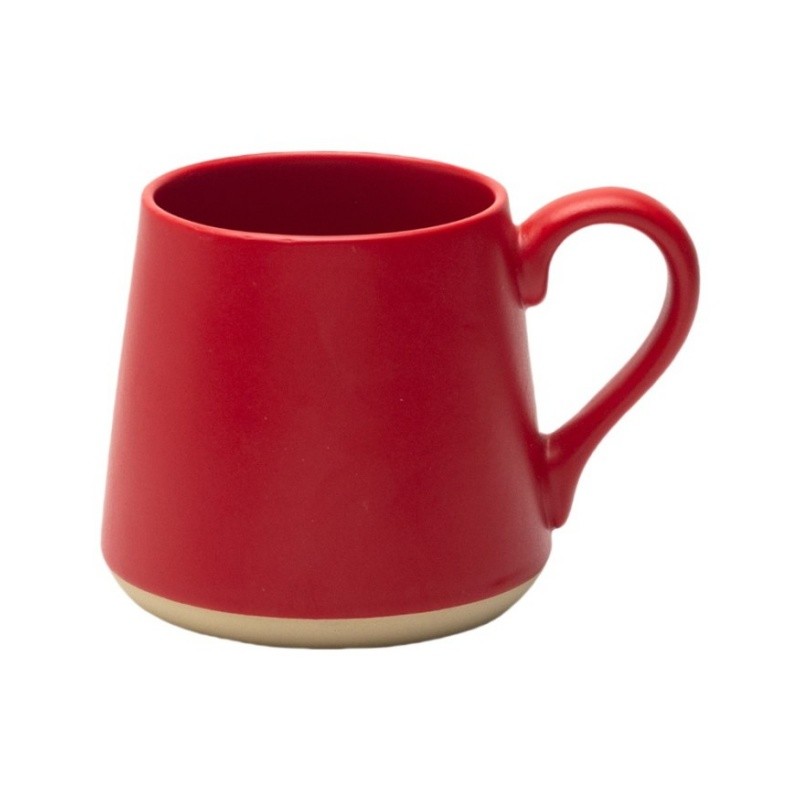
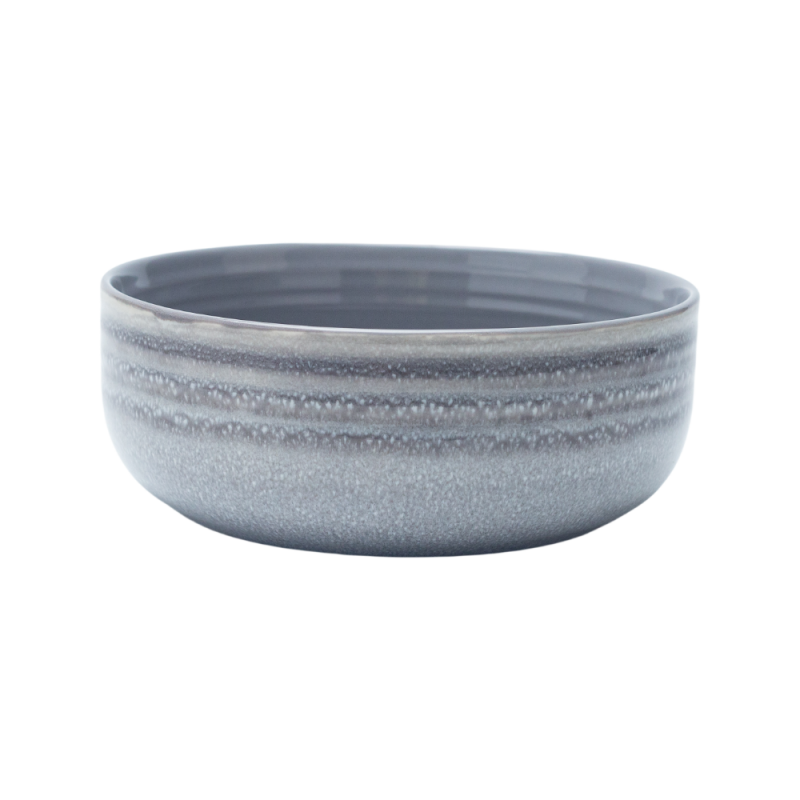
Products in this guide: 500ml Stoneware Ceramic Mug · Reactive Glaze Stoneware Bowl
In most factories they are made by whoever picks up the paperwork. A merchandiser hands a sheet to a planner, the planner tells the glaze room, the glaze room asks the print shop. The information survives the handover in the condition of any message passed four times: mostly intact, with one detail quietly changed.
A pre-production meeting is the cheapest control in the whole order, because it is the last moment when changing a decision costs a conversation instead of a setup. Everything after it costs plaster, glaze, film or cartons.
Why a ceramic order gets expensive from the first setup
Almost nothing in a ceramic plant is changed by editing a file. A shape is held in a plaster mould that has to be pulled from storage, checked and mounted. A colour is held in a glaze batch weighed and milled as a physical quantity. A decoration is held on a screen or a set of decal sheets that has to be exposed and registered. Each one is a commitment of material and hours.
The same request therefore has two costs depending on when it is asked. Before the setup, a thicker handle is a line in a specification. After it, the same request is a new mould, a new first article and a fresh approval loop. The meeting exists to move the buyer's decisions to the cheap side of that line.
Who has to be in the room
This is not a sales meeting with a technical guest. Each function that touches the order owns one decision, and a decision made without its owner is the one that gets reversed later.
- The merchandiser. Holds the purchase order, the delivery date and every promise made during the quotation.
- The mould lead. Knows which mould is free, its cavity count and condition, and what it can yield before refurbishment.
- The glaze room. Knows whether the approved colour came from a batch still on the shelf, or must be milled and matched again.
- The print shop. Holds the screen, plate or decal version, and knows the registration the design needs.
- The kiln setter. Decides where the ware sits in the cycle and which firing route body and decoration take.
- Quality. Owns the defect standard, the first-article check and the point at which a run is stopped.
- Packing. Holds the carton, divider, mark and pallet pattern.
Seven people for one hour, once per order. The alternative is the same seven learning it one at a time, mid-run.
Six items that have to be written down
Verbally agreed is the same as undecided. These are the items where a late discovery costs a setup rather than an email.
- The mould identity. Not the nominal capacity, but the mould and cavity set, so the next order is checked against the same source.
- The glaze batch and its reference. Which batch is used, and which approved piece it was matched to. A colour approved on one batch and produced from another is the usual reason bulk differs from the sample.
- The decoration version. The screen or decal version, the colour count, and the artwork file it came from.
- The firing route. Body firing and decoration firing, and the kiln assigned, because the same glaze on a different cycle reads differently.
- The packing specification. Carton dimensions, divider, insert, mark and pallet pattern, with the dieline referenced by version.
- The first-article signer. A named person and a date, not a department. This is the item most often left as an assumption.
What the buyer should send before the meeting
A meeting cannot settle what it has not received. Four documents, sent early enough to be read rather than skimmed: a specification card covering shape, capacity, weight band, colour reference and defect standard; a photo set of the approved piece under a stated light; production-format artwork with colour references; and the packing dieline with its version.
A delivery date is not a document, but it belongs in the same message, because the sequence the factory plans depends on it. The master sample guide explains how sealed references keep batches identical.
The freeze, and what still moves after it
A meeting that freezes everything is a meeting that will be bypassed. The useful output is a line between two kinds of change.
What can still move at little cost: the delivery date inside the window the plan already allows, the shipped quantity inside the tolerance written into the order, the carton mark, the pallet pattern and the paperwork.
What cannot move without a setup: the mould, the body, the glaze colour, the decoration version, and the packing structure once the dieline is cut. A change to any of these is not a revision but a fresh round of preparation, and the schedule has to be planned around it rather than squeezed. The spec freeze guide explains how artwork and packing files are locked between orders.
Four symptoms of an order that never had one
The absence of the meeting becomes visible later, and always in the same shapes. The sample and the bulk do not match, and the reason turns out to be a different glaze batch. The decoration drifts by a version nobody can date. The packing specification is discovered at pack-out, when the cartons are already printed. The first article was approved by whoever was on shift, against a reference in a drawer.
Each is cheap at the start and expensive at the end, and each is closed by a line in a minute.
What to minute
One page is enough: the date, the attendees with their functions, the six items above with the value agreed, the freeze date, and the name to call when something changes.
That page has a second use. On a reorder it becomes the opening agenda, and the difference between it and the new order is the entire briefing. A buyer running the same programme twice a year stops re-explaining the product and starts reviewing a document.
A ceramic order is decided long before the kiln, in a room where a merchandiser reads a purchase order out loud and six people each disagree with one detail. Holding that hour costs a calendar entry. Skipping it costs a setup, discovered late, paid by whoever was not in the room.
Related Products
Explore products featured in this guide:

Have questions? See our Sizes & Finishes FAQ and Ordering & Certifications FAQ.
Need a custom quote? Send an inquiry or browse our full product catalog.

