



The Kiln Breathes: Pressure, Leaks and the Colour Nobody Can Explain
Two factories send firing curves and they match: same ramp, same peak, same soak, same cooling. The glaze code is the same. The body is the same grade from the same region. The two deliveries still differ in colour, by enough that one is approved and the other is held.
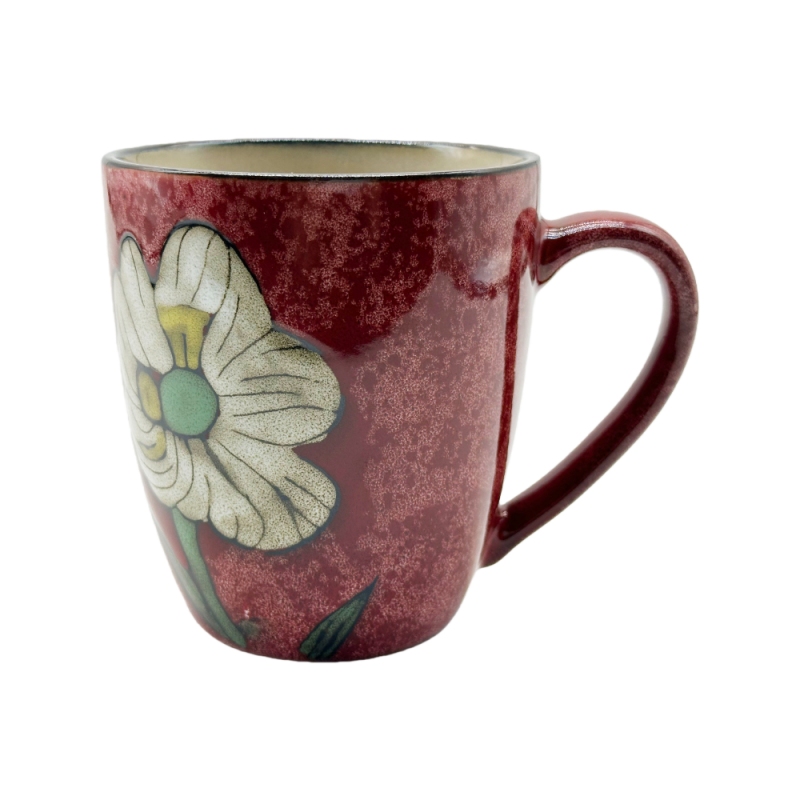
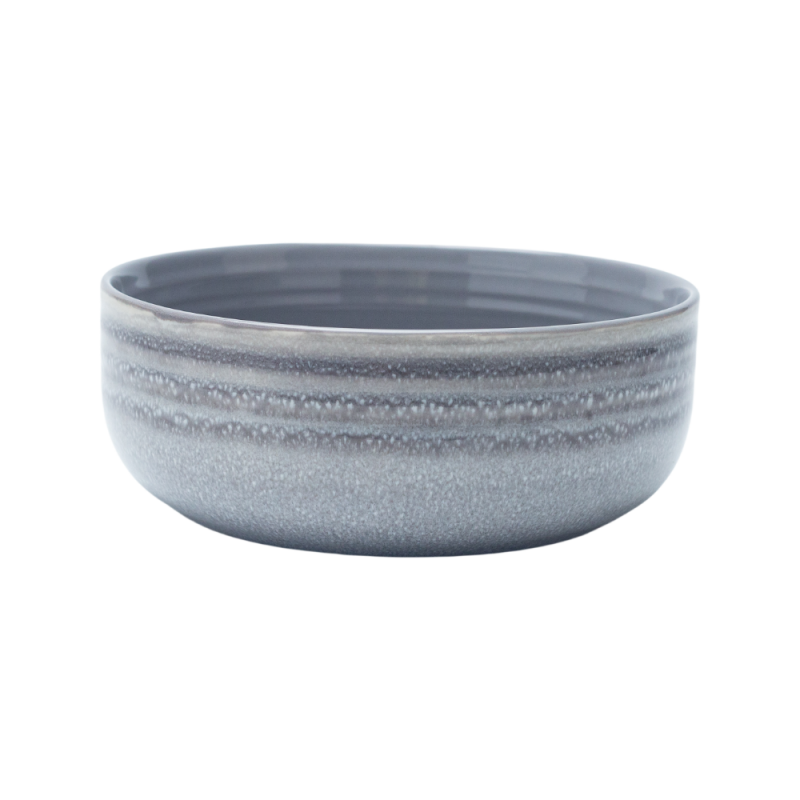
Products in this guide: Reactive Glaze Ceramic Mug 390-400ml · Reactive Glaze Stoneware Plate
The search for the cause runs through water, clay, pigment and the operator. There is a fourth input that appears in no document and no quotation: the air inside the kiln. A kiln is not a sealed box. It has a flue, a damper, a fan, door seals that wear and joints that leak by design. The pattern of that movement is what the trade calls pressure.
Temperature tells you how hot the kiln was. Pressure tells you what the air did while it was hot. What follows is where the pressure sits in each zone, what the two failure directions do to a surface, and what a buyer can ask without understanding combustion.
A kiln is a box with intentional holes
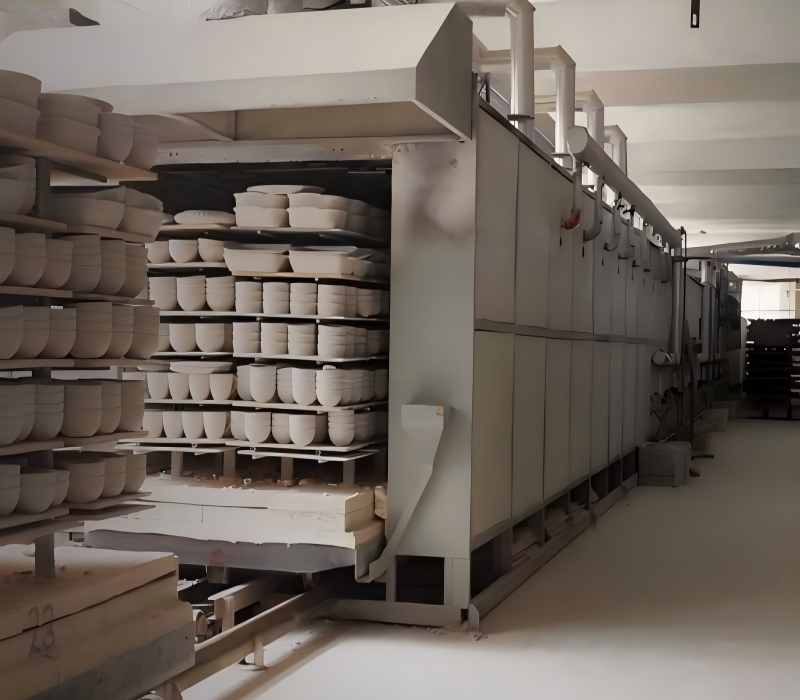
Draft is not a defect in a kiln. It is the mechanism that makes the kiln work. Hot gas is lighter than the air around it, so it rises and leaves, and replacement air is pulled in behind it. A traditional kiln uses its own chimney as the pump; a modern kiln uses an induced-draft fan, easier to control and less forgiving of a blocked flue.
Every opening is part of that path: the damper, the main manual control on most kilns; the fan speed; the door; the peepholes; the gaps at the car; and the load, which behaves like a filter and changes the resistance as it is packed tighter or looser.
Three zones, three different pressures
The kiln is not held at one pressure. It is held at a profile, and the profile is what the damper and the fan are actually setting.
- The preheat zone runs negative. Air is drawn inward through every gap, and that is deliberate: it carries water vapour and combustion products out, which is what a body still releasing moisture needs.
- The firing zone sits close to neutral, and this is the narrowest setting in the cycle. Suction here drags cold workshop air across ware that is mid-reaction; push here sends flame further than the load can absorb.
- The cooling zone runs positive, so cold air cannot enter and shock ware that is still hot enough to crack if a draught reaches it.
- The transitions matter more than the numbers. On most kilns the damper is set once at the start of a cycle and left alone, so the firing zone pressure is whatever the preheat setting produced.
What too much suction does
Cold air enters low, at the door and at the car joints, and travels along the bottom of the load. The base of the setting then runs cooler and leaner than the crown, and the pieces nearest the floor see a different kiln from the pieces at the top.
On the glaze, the result is a surface slightly duller and less completely melted, sometimes with the pinholes that had almost closed opening again. On colour, a dark, matte or reactive glaze drifts visibly while a white gloss barely moves.
A peephole plug left out for a look is a leak, and a leak held open changes the pressure for the rest of the cycle.
What too much push does
Pressure in the other direction sends flame and combustion gas further than the load can use: into the cooling zone, onto the last rows, into the space between the ware and the kiln wall.
The symptoms read differently. A grey or yellow cast on a white body. Soot on the kiln furniture. A smoked edge on the pieces nearest the burner, which is a colour fault no glaze adjustment will fix. Over months the same condition shortens the life of the furniture and the thermocouples, so the temperature on the record drifts away from the temperature the ware actually saw.
Why white hides it and grey does not
The visible threshold is different for every glaze. A clear gloss over a white body reflects most of a small shift back at the eye. A matte, a grey, a reactive or a deep-coloured glaze turns the same shift into a different product.
That is why a competent factory can still fail an order: its kiln is set for the programme it runs most of the year, and the buyer's colour is the one that notices. It explains a pattern that otherwise looks like carelessness. The first order matched, the second did not, and nothing on the paperwork changed.
The line missing from the firing record
A firing record normally carries time, temperature, sometimes a cone number. It rarely carries pressure. The damper is set by hand, by a person, at the start of a shift, and on many kilns it is adjusted by feel rather than by gauge.
On a kiln with a logged fan and damper the pressure history exists, and two runs can be compared. On an older intermittent kiln it does not exist at all, and the only surviving witness is the fired ware. So a colour dispute cannot be settled from records alone. It is settled against a sealed reference and by firing a comparison piece. The master sample guide explains how sealed references keep batches identical.
Four questions and one clause
A buyer does not need a pressure number. A buyer needs to know whether the number is controlled.
- Does the firing record include damper and fan positions per zone, and who signs the sheet?
- Was this pressure profile set for this product, or inherited from the previous order on the same kiln?
- What happens to the setting when the kiln is loaded fuller or emptier than usual?
- Has the kiln, the burner, the flue or the fan changed since our approval was signed?
The clause that follows belongs in the order: any change to the kiln or its air path is a product change, and it requires a first piece fired and compared against the sealed reference before the run. The spec freeze guide explains how artwork and packing files are locked between orders.
Air is the only input in a ceramic order that no specification mentions and no quotation charges for. It does not appear on a defect list. It decides which defects appear.
The buyer who asks about it is not trying to run the kiln. They are establishing that the kiln has a second setting, that the setting is usually a hand, and that a change in that hand is a change in the product they approved.
Related Products
Explore products featured in this guide:

Have questions? See our Sizes & Finishes FAQ and Ordering & Certifications FAQ.
Need a custom quote? Send an inquiry or browse our full product catalog.