Redecorating a Best-Seller: Changing Artwork, Colour or Shape on a Reorder Without Losing the Original
The Problem: The Design That Sold Last Year Needs a New Look This Year
Every repeat buyer eventually faces the request from their own market: the best-seller is wearing out, the season theme changed, the client wants their brand on it. Redecorating a proven product sounds simple — "just swap the print" — but each depth of change touches a different layer of the product, and the layers are not equally expensive or equally reversible. Buyers who treat a redesign as one undifferentiated act either overpay for changes that were cheap, or under-prepare for changes that reset the whole approval chain. This guide breaks the change into layers so you can decide exactly how far to go.
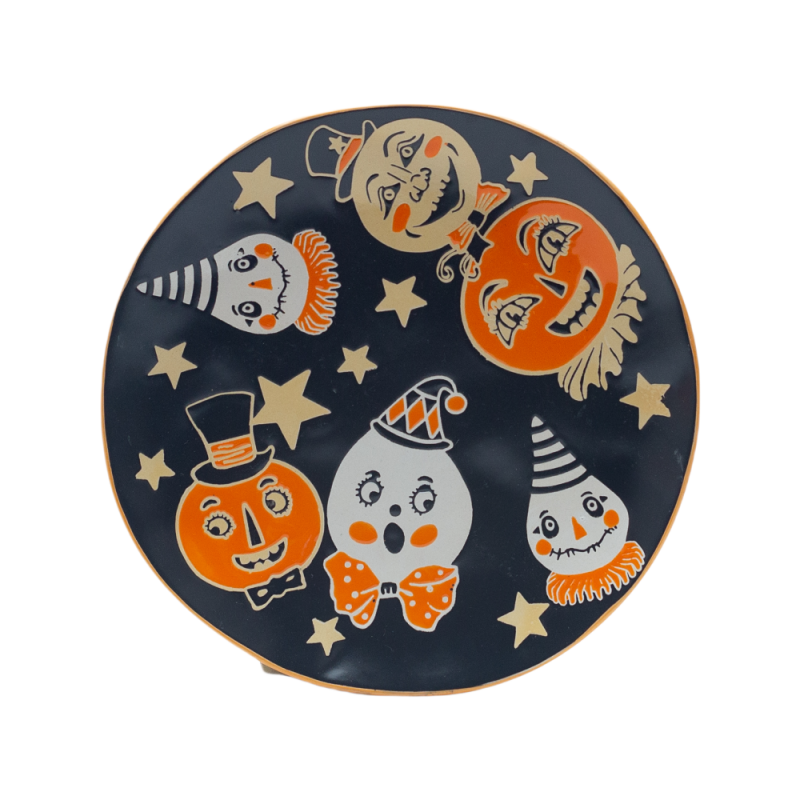
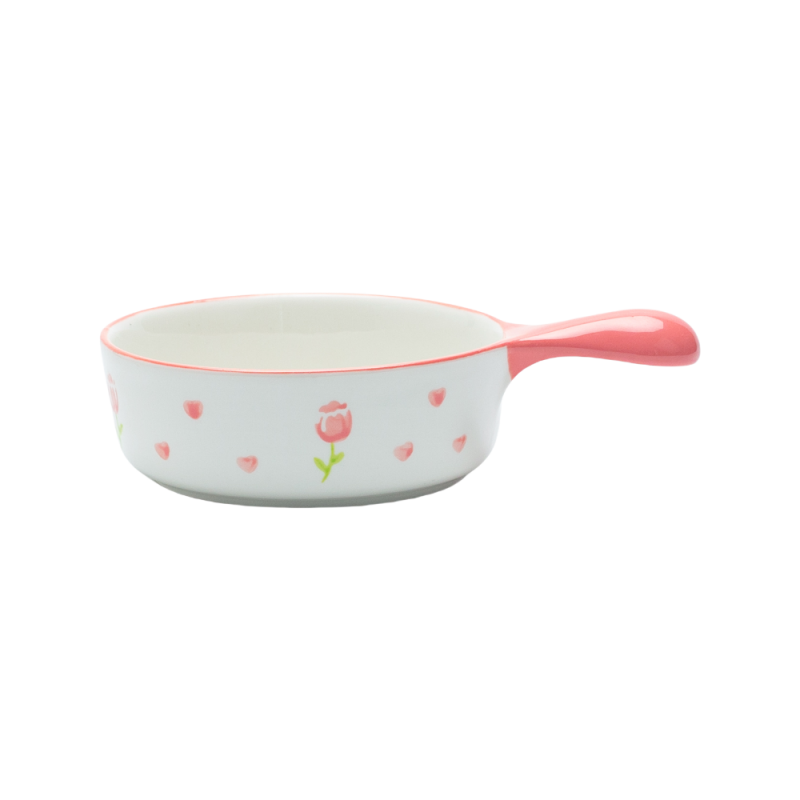
Products in this guide: Whimsical Halloween Ceramic Plates · Cute Ceramic Bowl with Handle Pink Floral
Where This Fits in the Sourcing Chain
A frozen spec is what makes a reorder identical — but a redesign is the moment the spec has to move on purpose. The spec freeze guide explains how to lock artwork and packing files between orders. Whatever changes, the new version needs its own sealed reference before the bulk run. The master sample guide explains how sealed references keep batches identical. This guide is about managing the change itself: what each layer of modification touches and how to keep the old version alive. See the full ceramic sourcing process map.
The Three Layers of Change — and What Each One Touches
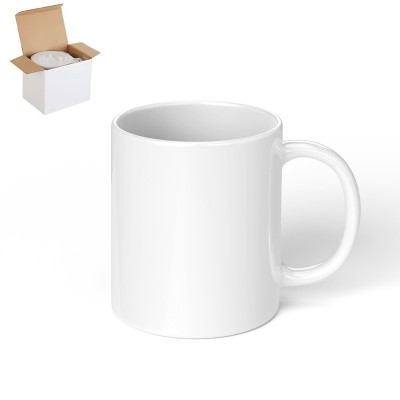
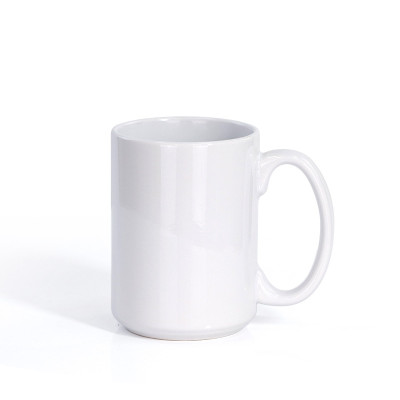
- Decoration only (new print, same product). New artwork on the existing form and glaze. The mould, the body and the firing curve stay untouched. What moves: the screen or decal set for the decoration, and the colour reference it must match. This is the cheapest layer and the fastest to approve — one sample against the new artwork closes it.
- Colour and glaze (same shape, new surface). A different glaze tone or finish. The mould still stands, but the surface is now a new reference: glaze trials, shade band comparison against the master sample, and a fresh sealed sample for the new colourway. Allow a sampling round — colour does not transfer from a screen to a kiln without loss.
- Shape (new form). Changing the silhouette means new tooling: a mould fee, a first-article check, and a full approval chain from the top. This is not a decoration revision; it is a new product that happens to resemble the old one. Budget and schedule it as such.
How to Run the Change Without Losing the Original
The discipline is in the file structure, not the factory:
- Give the new version its own code. Never overwrite. If the original SKU was ABC-01, the redesigned one is ABC-02, with its own artwork file, colour reference and sealed sample. The two versions can then coexist — season print on one, classic on the other.
- Freeze the new version before the bulk run. A redesign approved by email thread is a redesign that will drift. The same freeze discipline that protects a repeat order protects a revised one.
- Keep the original reorderable. Tell the factory explicitly that the old version stays active. The tooling, the screens and the master sample stay on the shelf. The option to fall back is worth more than the shelf space it occupies.
- One change at a time. Change the print and the colour in the same round and you will not know which one your market reacted to. Sequence the layers when you can.
Common Mistakes When Redecorating a Reorder
- Asking for a new look without asking what it touches, then discovering the "small change" carried a mould fee.
- Mixing revised and original stock in one order because only the paperwork changed — and receiving two versions inside one SKU code.
- Retiring the original version implicitly, then wanting it back a season later when the new look underperforms.
- Approving the new decoration from a digital mock-up alone and skipping the physical sample against the kiln.
How Storiware Handles Redecoration Requests
Storiware treats a redesign as a version, not an edit: the new artwork or colourway gets its own code, its own sample and its own approval record, while the original tooling and references stay active unless the buyer retires them explicitly. Because the factory holds the moulds and the decoration files in-house, the cost of a decoration-only change is quoted as what it is — a new screen and a sampling round — not a re-engineering exercise. The buyer decides the depth; the factory prices the layer honestly.
Buyer Checklist for a Redecoration
- Depth of change identified: decoration, colour/glaze, or shape
- New version coded separately from the original — no overwriting
- New sealed sample approved before the bulk run
- Original version explicitly kept active and reorderable
- Changes sequenced one layer at a time where the market allows
- Physical sample checked against the kiln, not just the mock-up
A best-seller earns its keep across versions, not despite them. Change the layer you need, freeze the version you create, and keep the original on the shelf as the fallback it is.
Related Products
Explore products featured in this guide:
Have questions? See our Sizes & Finishes FAQ and Ordering & Certifications FAQ.
Need a custom quote? Send an inquiry or browse our full product catalog.