Inspection Conditions: Why Two People Judge the Same Mug Differently
Two buyers open the same carton on the same afternoon. One records six pinholes across a dozen pieces and rejects the lot. The other finds two and passes it. Neither is careless and neither is lying. They are looking at the same ceramic under different conditions, and nobody wrote the conditions down.
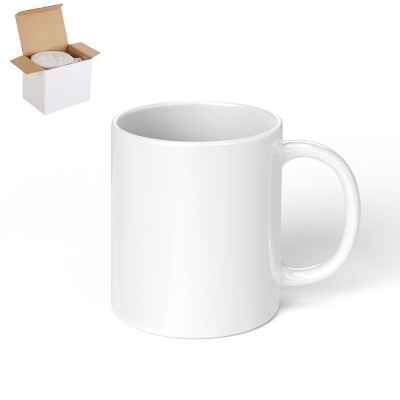
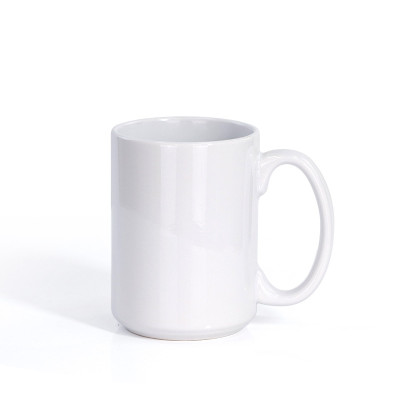
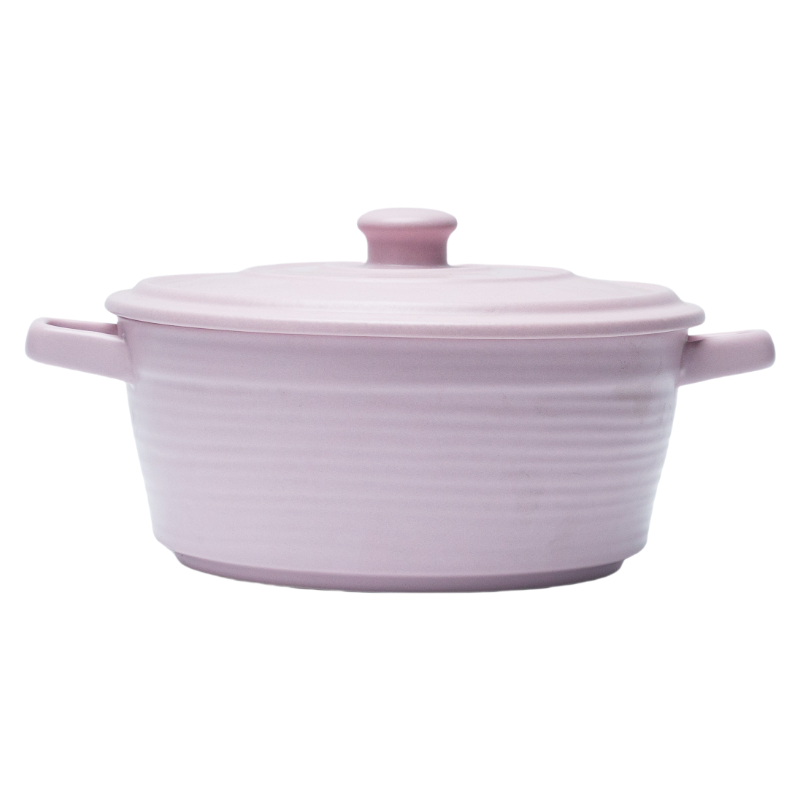
Products in this guide: Gradient Ceramic Mug · Japanese Style Ceramic Ramen Bowl
Every test report a factory sends carries a method: temperature, duration, load. Almost no inspection plan carries the conditions of looking. That omission explains a large share of the arguments that arrive as quality disputes and are, in fact, measurement disputes.
Four variables decide what a person can see: the light, the angle, the distance and the time spent. All four are cheap to fix and all four are normally left to whoever holds the piece.
The light does more of the work than the inspector
A factory bench is lit for production, not for judgement. Cool white tubes overhead, glossy floors bouncing light back up. It is flat, bright and honest for sorting, and it hides almost everything that lives in the top layer of glaze.
Put the same mug beside a window, or under the lamp of a phone held twenty centimetres away, and pinholes that were invisible become craters. The piece itself did not change.
Colour adds a second layer. Two lamps can share a colour temperature and still render a glaze differently, because what matters is the shape of the spectrum rather than its average. This is why a shade approved in daylight can look wrong under retail led, and why a pigment match between two suppliers holds in one room and breaks in the next. The effect has a name, metamerism, and it is not a defect in the ceramic.
Four variables nobody writes into the plan
- Illuminance and spectrum. How much light, and of what quality. A brightness figure alone says nothing about gaps in the spectrum.
- Angle of incidence. Light arriving at a low angle rakes across the surface and casts a shadow into every depression. Light arriving straight on fills them.
- Distance and magnification. What reads as a defect at fifteen centimetres often reads as texture at eighty.
- Dwell time. Seconds per piece, and how many surfaces each piece is given.
A fifth belongs beside them: the background. White on white bleaches contrast out of a white body; a kraft liner pushes everything warm. Neutral matte grey is unglamorous and it is the only background that does not argue.
Raking light and front light answer different questions
Diffuse light from the front is the right condition for colour and decoration. It shows whether a band is even, whether a gold line has a break. It is the wrong condition for surface topography, because it fills every hollow it finds.
Raking light, arriving at a shallow angle to the surface, does the opposite. It throws a shadow into a pinhole and along a dimple, which is why it is used to judge glaze quality, orange-peel texture and mould marks.
Both are legitimate. The mistake is using one and calling the result complete. A plan that names the defect classes and the light for each has already removed most of the room for disagreement.
Distance decides whether a defect exists
There is no visible defect without a stated viewing distance. At arm's length, roughly where a guest holds a cup, a tenth of a millimetre of surface disruption sits below the threshold of attention. At fifteen centimetres with a torch, the same feature is the first thing anyone sees.
The retail question is what a customer notices in use. The bench question is whether the process is still in control. A specification that mixes the two produces a rejection rate nobody can reproduce.
Write both: a commercial acceptance distance, and a tighter internal one so drift is caught before it crosses the commercial line.
The same lot passes or fails on how long someone looked
A sampling plan decides how many pieces to open. It says nothing about how long each piece is examined, and that is the quieter variable. Three seconds per piece finds the obvious. Thirty seconds with a defined sequence finds the rest.
Sequence matters as much as duration, because attention degrades. Rim first, then the interior held against the light, then the foot, then the decoration at reading distance. A fixed six to ten seconds per piece, in the same order every time, is more repeatable than an open-ended examination that varies with the inspector and the shipment date.
Why the factory and the buyer are both right
Each side measured honestly against the condition in front of it. The factory bench is bright and flat. The buyer bench is a window or a phone torch. The gap between the two verdicts is not dishonesty, and treating it as dishonesty is what turns a technical difference into a relationship problem.
The cost arrives later. A chargeback argued from photographs taken under two different lights cannot be won. A second inspection that finds defects the first one missed reads as concealment even when it is only a different lamp. And a defect rate that moves between shipments with no process change behind it is usually a rate measured under a condition that moved.
What to write into the inspection plan
Six lines carry the whole thing:
- Light: type, colour temperature, an illuminance range, a minimum colour rendering index, or a named illuminant.
- Geometry: raking light for surface, diffuse light for colour and decoration.
- Distance: a commercial acceptance distance, plus a tighter internal one.
- Dwell time and sequence: seconds per piece, surfaces in a fixed order.
- Background: neutral matte grey, no kraft, no white on white.
- Photography: permitted or not, and if permitted, taken under the same condition as the verdict.
The last line ends arguments, because most disputes are settled by a picture. A photograph taken with a torch at ten centimetres is evidence of a condition, not evidence of a defect.
Two documents give these lines an anchor. A sealed reference sample is only useful if both sides view it under the same light, which is why the sample record should carry a viewing condition: The master sample guide explains how sealed references keep batches identical.. The condition itself belongs in the frozen specification rather than a covering email, so a reorder three seasons later is judged the same way: The spec freeze guide explains how artwork and packing files are locked between orders..
A defect rate measured under a stated condition is a fact. Measured under an unstated one it is an opinion, and opinions are expensive to arbitrate. Naming the light, angle, distance and time costs a paragraph, and settles more arguments than any clause about tolerances.
Related Products
Explore products featured in this guide:



Have questions? See our Sizes & Finishes FAQ and Ordering & Certifications FAQ.
Need a custom quote? Send an inquiry or browse our full product catalog.