




Decoration at Source or in Market: Where the Print Should Happen
Two buyers order the same mug from the same factory. One receives it printed. The other receives it plain, and has it printed three weeks after it lands. The ceramic is identical, the artwork is identical, and the two programmes behave nothing alike.
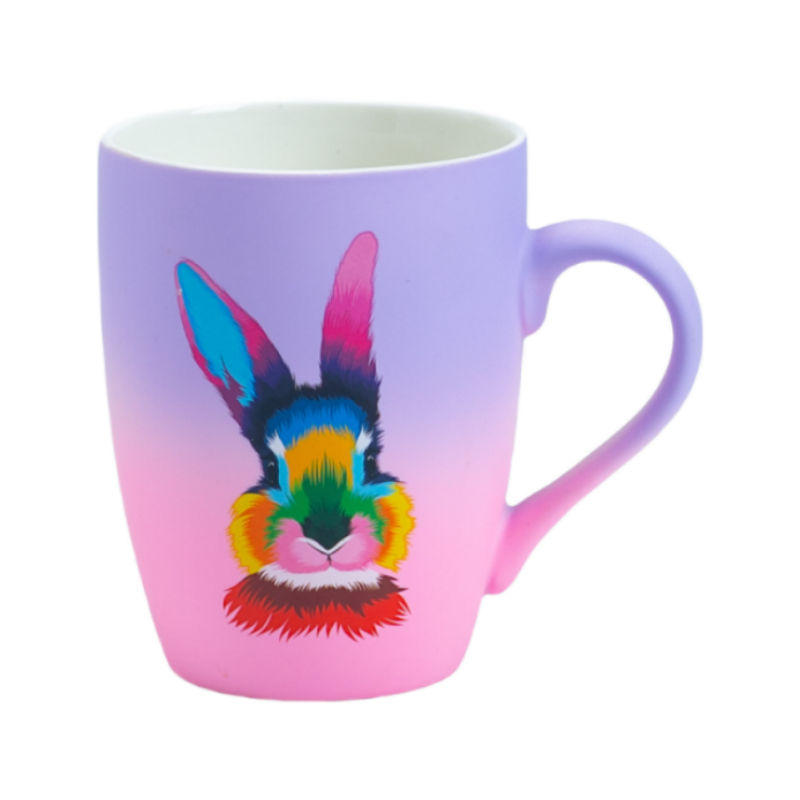
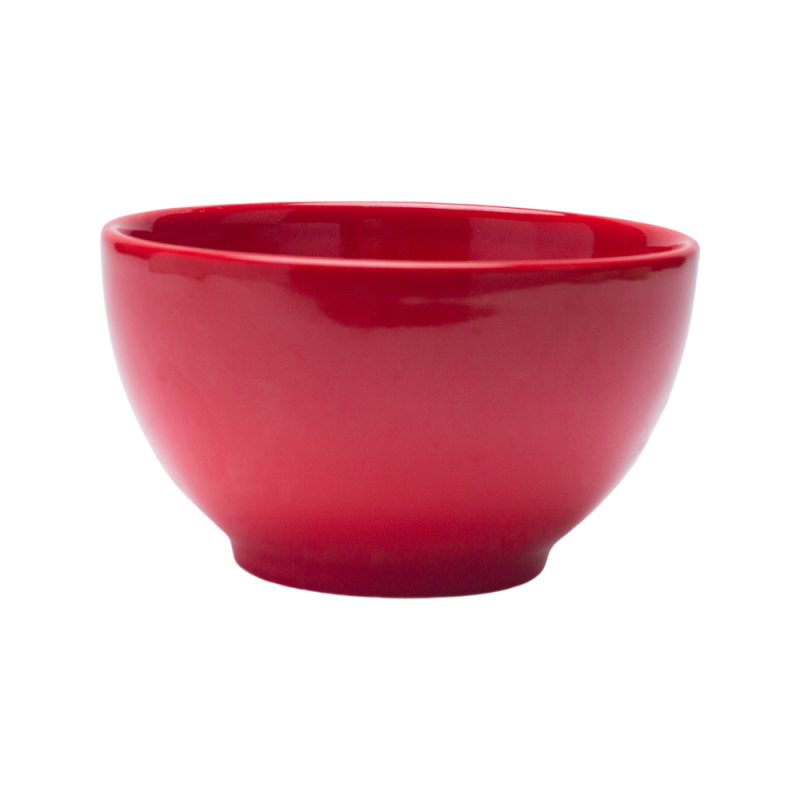
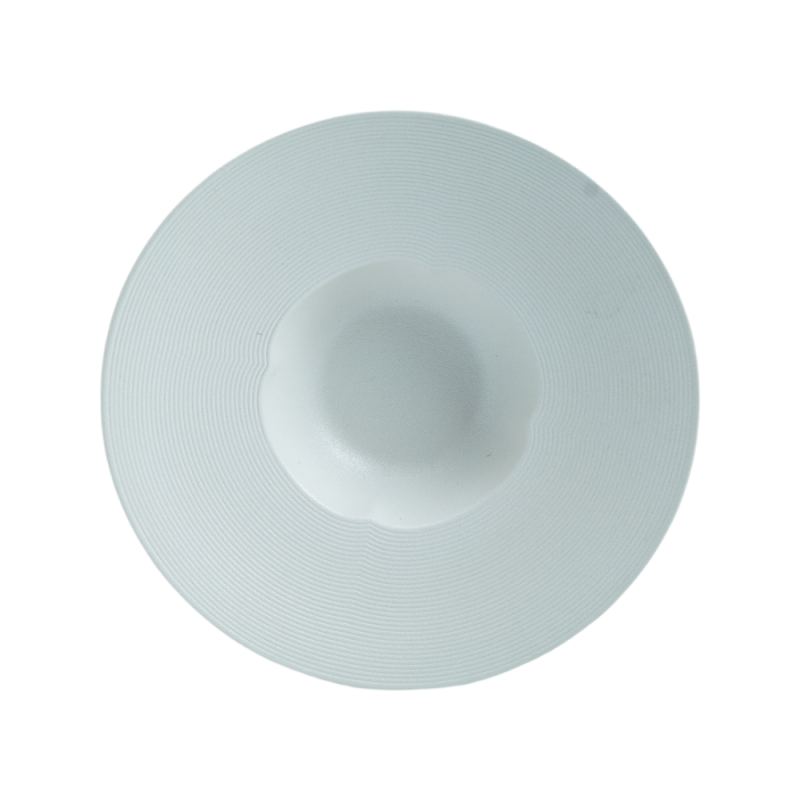
Products in this guide: Custom Printed Ceramic Mug · Vibrant Glazed Ceramic Bowl
The question that separates them is rarely asked out loud. A buyer writes mugs with our logo and both sides assume the logo is applied at the factory, because that is how it is normally done. The assumption holds until a design changes late, or a second market needs forty variants of one body, or a print fails a wash test and three parties disagree about whose ink it was.
There is no universal answer, only a decision that fixes more than buyers expect: what sits in your warehouse, which minimum you are really negotiating, how late a design can move, and who signs the test report.
Two routes, and the difference that matters
Decorating at source means the container arrives with finished SKUs: every piece already the product you will sell, in the artwork you approved, at the colour you signed off. Nothing inside it can become something else.
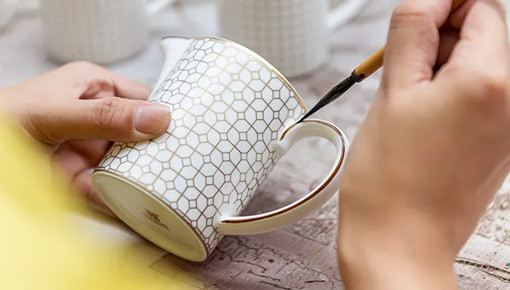
Decorating in market means the container arrives with a body. One shape, one size, one glaze, one packing specification, and the design is applied after arrival, in a print shop you deal with directly.
The difference is not the cost per piece. It is where the forecast error lands. With finished goods you forecast every design; with blanks you forecast the body, and the designs only at the moment you commit to a print run. That is a smaller guess, made later, on information you did not have when the container was booked.
It is not free. A blank still has to be bought, shipped and stored, and a body that does not sell is dead capital with or without a logo.
The minimum moves to a different object
Buyers notice this part last and feel it first.
When the factory decorates, our minimum applies at 5,000 pieces per design, or per decoration where the body is shared. Eight designs is eight times that floor, and each one needs its own screens, its own colour approval and its own first-piece sign-off.
When you buy a blank, the minimum attaches to the body rather than to the design. One shape at volume, then as many designs as your printer accepts, in runs your printer sets. The capital may be no smaller, but it sits in one object instead of eight.
The trade is real in both directions. Eight designs at low volume is a difficult order at source and an ordinary week for a decorator. One hero design at high volume, fired in the factory, is the most durable print you will get anywhere.
The surface decides whether local decoration is possible
A standard glazed mug is not a printing blank, and this is where most in-market plans fail before the first print.
- Sublimation needs a polymer-coated body. A fired glaze will not take the transfer, so the blank has to be bought coated, from a supplier that makes that product.
- UV printing cures on the surface and sits on top of it. Adhesion and dishwasher durability must be tested on the finished article, not read off an ink data sheet.
- Pad or screen printing with organic inks needs a post-cure or a low-temperature bake, and glossy glaze is the weakest surface for both.
- Laser marking removes a layer from coated or unglazed surfaces. On bare glaze it does not produce a durable image, whatever the sample looked like.
- A decal applied locally and fired needs a kiln, at which point you are back to the factory route with extra steps.
The conclusion is uncomfortable but useful: decorating later is a property of the body you bought, not a service added to any mug.
Responsibility follows the last hand that touched it
Migration testing describes the article as sold. A report for a blank says nothing about the ink applied afterwards, and a report for a factory decal says nothing about a locally printed version of the same design. The document has to match the object that reaches the customer.
Wash durability behaves the same way: whether a print survives a commercial dishwasher is decided by the process that made it, and the test belongs to that process.
Then there is the argument. If a print fails, the body maker points at the printer, the printer points at the glaze, and the brand owns the complaint either way. A document written before the order, naming who tests what on which article, is the only thing that shortens it. Supply blanks to a decorator and you also inherit their rejects, long after your claim window against the factory has closed.
What each route is genuinely good at
- Decorating at source suits one design at high volume, a season that is fixed, and decoration that must survive industrial washing.
- Decorating in market suits many designs at low volume, late decisions, and variation by store, region, name or date.
- A mixed programme suits most chains: the hero design printed and fired at the factory, the variants printed locally, the two kept visibly apart.
That last point catches people. A fired decal and a local print of the same artwork will not match in colour or sheen, and they age differently. Keep them as separate SKUs, so nobody in a warehouse decides they are interchangeable. The master sample guide explains how sealed references keep batches identical.
Four things to settle before the first order
- The exact body: the code your decorator has already tested, with the coating or glaze named.
- The line between frozen and open: which design is committed at source, and which is deliberately left undecided for local print. The spec freeze guide explains how artwork and packing files are locked between orders.
- The testing owner: who runs migration and wash testing on the decorated article, and who holds the report.
- The rejects: who owns printed waste, and whether it may be sold at all.
Each one is a sentence in a purchase order and a fortnight of argument if it is missing.
The question that settles it faster than a price comparison
Ask the supplier what the same body costs undecorated, whether it can be supplied coated, and at what minimum. Then ask your decorator which body it has already tested. Those two answers usually decide the route before anyone compares unit prices.
A printed mug and a blank mug are the same ceramic and two different businesses. The decision is made once, early, and it decides where your risk sits for the life of the programme.
Related Products
Explore products featured in this guide:
Have questions? See our Sizes & Finishes FAQ and Ordering & Certifications FAQ.
Need a custom quote? Send an inquiry or browse our full product catalog.

