The Quality Clause: Writing Defect Liability, Rework and Remedy Into Your Bulk Order
The Problem: Every Factory Has a Bad Batch Eventually
Ceramic production runs through fire — kiln cycles vary, glaze reactions shift, and even the best factory ships a batch with defects from time to time. The difference between a buyer who absorbs that cost and a buyer who does not is rarely luck. It is whether the quality terms were written down before production started. A bulk order that says nothing about defects leaves the remedy to be negotiated after the goods exist — the worst moment to negotiate. This guide explains how to write a practical quality clause into your ceramic order: what it covers, how defect rates are judged, and what remedy the buyer can expect.
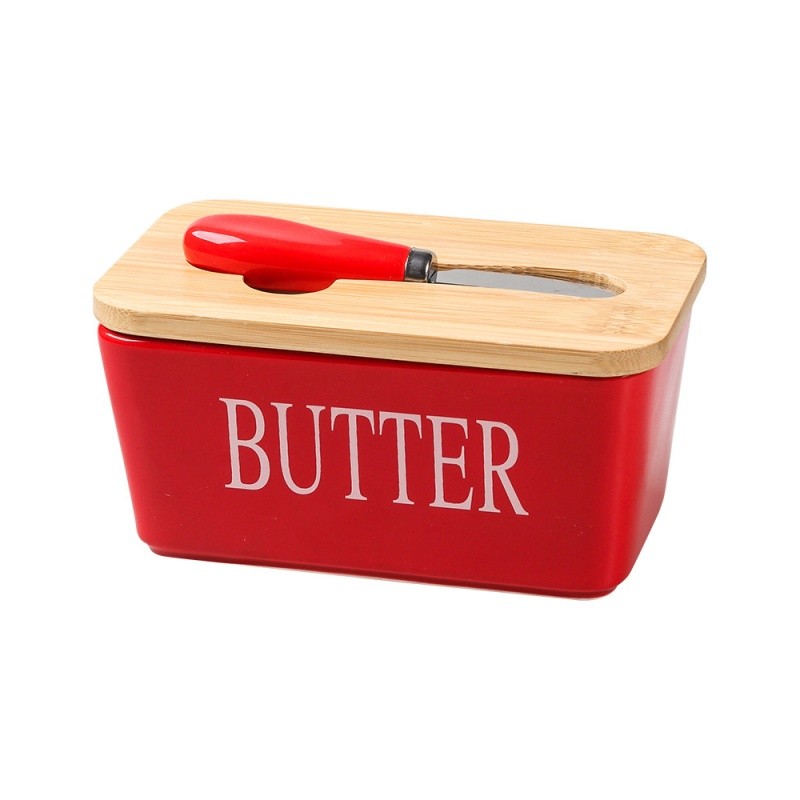
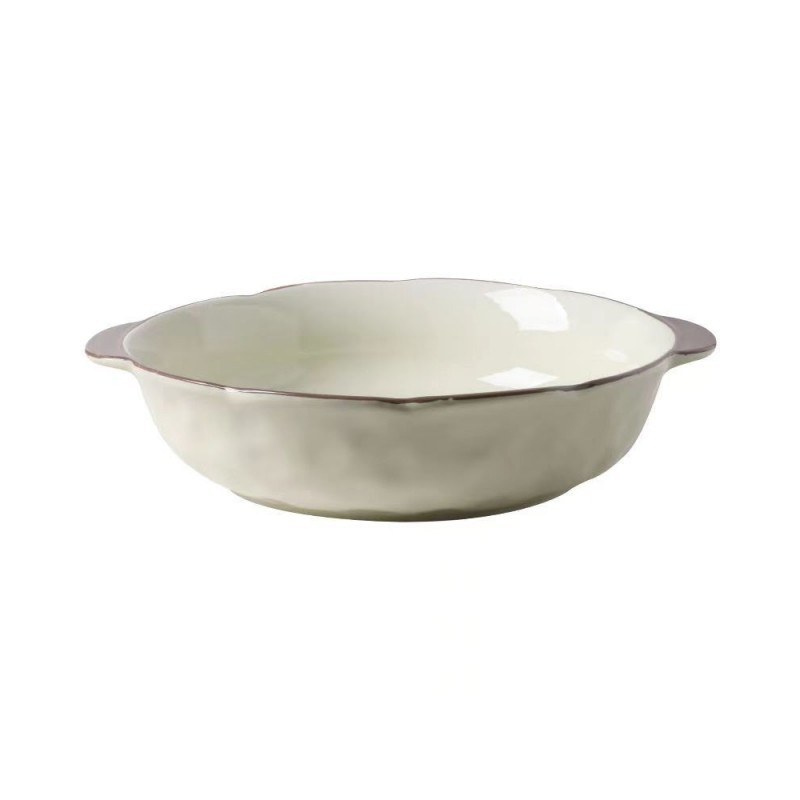
Products in this guide: Ceramic Butter Dish with Cover and Knife Slot · Porcelain Ceramic Soup Bowl
Where This Fits in the Sourcing Chain
Quality gates run through the whole order, and the factory-side checks before shipment were covered in the release-gate guide. The release-gate guide explains the checkpoints before the bulk run. This guide is about the commercial layer around those gates: the clause that says what happens when defects still get through. See the full ceramic sourcing process map.
What a Quality Clause Should Cover
A practical quality clause answers five questions in writing before production:
- What is a defect? Define the acceptance standard against concrete references: the approved sample or master sample for colour and form, the artwork for decoration, and a stated tolerance for minor glaze or firing variation that is normal in ceramics. Without a definition, "defective" means whatever each side argues it means.
- What defect rate is acceptable? Ceramics are not electronics — a small percentage of minor cosmetic variation is normal in bulk production. Agree an AQL-style sampling plan and an acceptable level for major defects (cracks, chips, broken handles, failed prints) versus minor ones (small glaze pinholes, slight shade variation within tolerance).
- What is the remedy? State what the factory does if the agreed level is exceeded: rework or replacement of the defective portion, a credit note, or a discount on the affected cartons. The remedy should be proportional — a buyer who demands a full-order refund for 3% defective cartons has written a clause the factory cannot sign.
- What is the claim window? Define how long after delivery the buyer can report quality issues, and the evidence required (photos, samples retained, inspection results). A window of days after arrival is common, with packaging damage claims separated from hidden product defects.
- How are disputes judged? Agree the reference point for dispute: a third-party inspection report, the retained master sample, or re-inspection of retained cartons. Naming the judge in advance beats choosing one mid-argument.
How Defect Rates Are Judged in Practice
The clause works through sampling. When goods are ready, inspection samples a number of pieces per carton and per production batch; the results are compared against the acceptable level in the clause. If sampling shows defects above the agreed level, the inspection can be tightened (more pieces checked) before the remedy applies. This is why the release-gate inspection before shipment matters: it is the moment the clause's numbers are actually tested against real goods, while the factory can still rework.
What the Remedy Looks Like in Practice
- Rework. Defective decoration or assembly is corrected and re-inspected before shipment. Most practical for issues caught at the factory.
- Replacement. The defective portion is remade and shipped with the next available loading. Common for cracked or chipped pieces found in sampling.
- Credit or discount. Applied to the affected quantity when rework or replacement is impractical (for example, a small percentage of minor glaze pinholes within an agreed tolerance).
- Rejection. Full rejection of the batch is the rare end of the scale, usually reserved for systematic failure — wrong glaze across the whole run, or breakage above the agreed level in the factory's own inspection.
Common Mistakes Buyers Make in Quality Clauses
- Leaving the defect definition vague ("good quality"), which makes every dispute a fight over opinion.
- Demanding a zero-defect standard that no ceramic factory can sign, then discovering the clause is unenforceable in practice.
- Writing a remedy but no claim window, so quality issues surface months later when the factory can no longer verify or remedy anything.
- Skipping the evidence requirement, then reporting defects with no retained samples or photos to support the claim.
How Storiware Approaches Quality Terms
Storiware produces against an approved sample and confirms the acceptance reference before the bulk run — the same reference used in inspection. When quality terms are part of the order, the factory quotes and plans against them: the inspection before shipment checks the agreed sampling and reports the results, and any rework or replacement is handled before loading rather than after arrival. The factory's position is straightforward: agree the standard, sample against it, and fix what fails it — in writing, before production starts.
Buyer Checklist for a Quality Clause
- Defect definition tied to the approved sample and stated tolerances
- Sampling plan and acceptable defect level agreed
- Remedy proportional to the defect level (rework, replacement, credit, rejection)
- Claim window and evidence requirements stated
- Dispute reference point named (third-party inspection, retained samples)
- Clause agreed before production, not after delivery
A quality clause does not guarantee a perfect batch — ceramics do not work that way. It guarantees that when a batch falls short, both sides already know what "short" means, who judges it, and what happens next. That is the entire point of writing it down.
Buyers ready to move from planning to a production run can start with our custom ceramic mugs bulk order page, which sets out the factory-direct route end to end.
Related Products
Explore products featured in this guide:
Have questions? See our Sizes & Finishes FAQ and Ordering & Certifications FAQ.
Need a custom quote? Send an inquiry or browse our full product catalog.