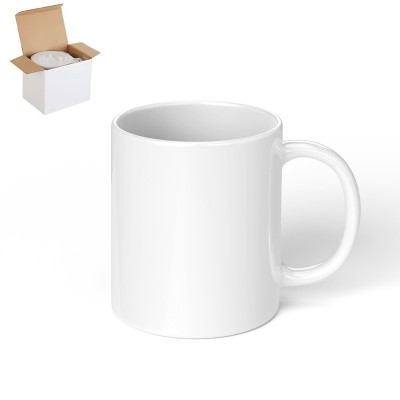
Blanket Orders and Rolling Forecasts: How Repeat Buyers Lock Supply Without Over-Ordering
The Problem: You Want the Year's Supply, Not the Year's Stock
A repeat buyer with steady demand faces two uncomfortable choices. Order the full year's volume at once and pay for thousands of mugs that will sit in a warehouse for months. Or order month by month and risk the factory's calendar filling up at the wrong moment — the run you need in October may already be scheduled for another customer. A blanket order resolves the tension: you commit to a year's volume and timing framework, the factory reserves capacity and price conditions on that commitment, and you release actual production in batches as demand becomes concrete. This guide explains how the mechanism works and where repeat buyers get it wrong.
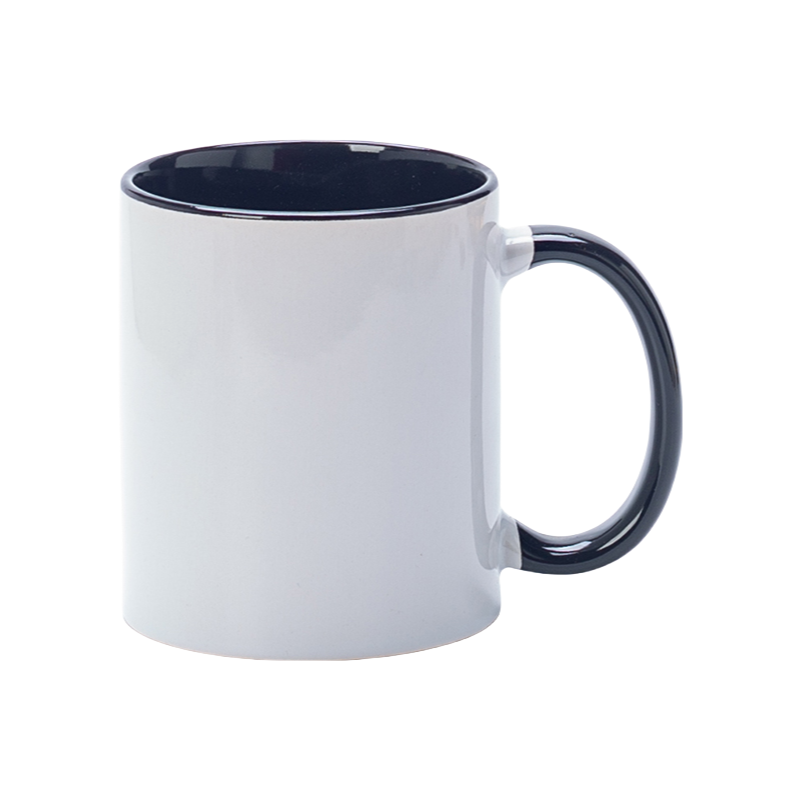
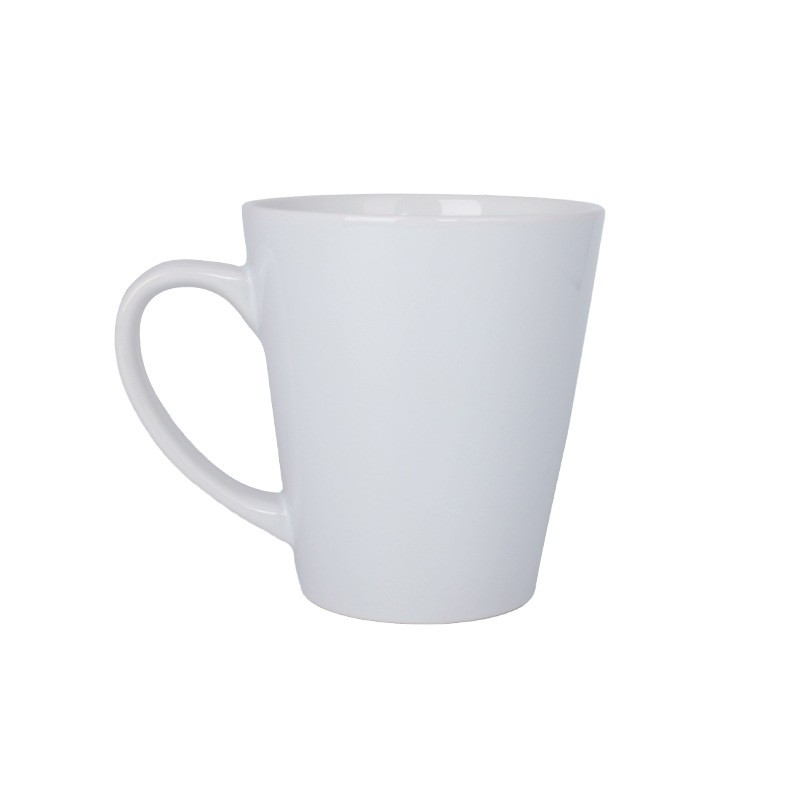
Products in this guide: 11oz Sublimation Color Handle Mug · 12oz Blank Sublimation Latte Mug
Where This Fits in the Sourcing Chain
Every relationship starts with one accurate first quote. The container inquiry checklist shows how to get that first quote right. A blanket order is what you do with that relationship in year two and beyond: instead of quoting each batch from scratch, you agree an annual framework and let the batches flow against it. See the full ceramic sourcing process map.
How a Blanket Order Works
- Agree the annual picture. Total estimated volume for the year, the designs or SKUs involved, and the rough split across seasons or release windows. The number is a planning figure — it can be revised — but it must be honest enough for the factory to reserve against.
- Set the release mechanism. Define how many call-offs you expect (monthly, quarterly, or per promotion), and the lead time you will give before each release. A typical arrangement asks for confirmation several weeks ahead of the scheduled production slot.
- Lock what can be locked. Price conditions, decoration and packaging specifications, and the quality standard are agreed once for the year, so every release is quoted against the same baseline instead of renegotiated from zero.
- Keep the forecast rolling. After each release, update the remaining forecast. If the year is tracking above or below the original volume, say so early — capacity and price conditions usually have agreed adjustment windows.
The Rolling Forecast: How It Keeps the Blanket Honest
A blanket order without a rolling forecast is just a wish list. The forecast is the living part: every month you tell the factory what the next three to six months look like, and the factory confirms what it can hold. The discipline matters on both sides — your updates let the factory plan glaze batches and kiln time; the factory's confirmations let you know early if a slot is at risk. Most programs operate with a firm near-term window (the next one or two releases are confirmed, not just forecast) and an indicative window beyond that, so neither side over-commits.
What a Blanket Order Typically Covers
- Price conditions. Agreed at the framework level, often reviewed at a set date rather than renegotiated per batch.
- Specifications. Capacity, decoration, packaging and marking stay fixed unless both sides agree a change. The carton and pallet guide explains how to fix packing terms in writing.
- Production slots. The factory reserves calendar space in line with the annual volume and the release rhythm.
- Batch administration. Each release still goes through the normal order steps — sample confirmation where needed, production, inspection and shipping — but the commercial terms were settled once.
Common Mistakes Repeat Buyers Make
- Treating a blanket order as a firm purchase of the full volume, then paying storage costs for goods released too early. The volume is a framework; releases are the purchases.
- Forecasting volumes the buyer does not intend to follow through, which erodes trust and makes the factory reluctant to reserve the next year.
- Forgetting the release lead time, then expecting a promotion batch to skip the queue it was never booked for.
- Leaving price and specification review dates unstated, so the "annual" agreement quietly becomes permanent at outdated conditions.
How Storiware Supports Blanket-Style Programs
Storiware works with repeat buyers on annual programs from the factory side: agreeing the volume framework, confirming which mug bodies and decorations stay constant across releases, and holding production slots against the rolling forecast. Because the factory controls the full line from blank forming to glaze and packing, a committed program can be scheduled more predictably than a series of one-off quotes. Every release still passes the normal gates — you see samples, inspection reports and packing data before shipment, exactly as on a single order.
Buyer Checklist Before You Sign a Blanket Order
- Annual volume estimated honestly, with a stated review date
- Designs and SKUs listed, with expected seasonality
- Release rhythm and lead time agreed in writing
- Price and specification review dates set
- Rolling forecast format and update cadence agreed
- Firm window versus indicative window clearly defined
A blanket order should make your second year with a factory calmer than your first — committed enough to hold capacity, flexible enough to avoid paying for a year of idle stock.
Related Products
Explore products featured in this guide:
Have questions? See our Sizes & Finishes FAQ and Ordering & Certifications FAQ.
Need a custom quote? Send an inquiry or browse our full product catalog.