Wholesale Dinnerware: Buying Sets and Open Stock Without Overordering
The Problem: Sets Are Sold, Pieces Are Used
Wholesale dinnerware is normally quoted in sets — a dinner plate, a salad plate, a bowl and a mug. Restaurants and retailers, however, consume pieces at different rates: mugs and bowls break and chip first, dinner plates last for years. The mismatch between how sets are sold and how pieces are used is where inventory problems start: either the buyer overorders sets and holds dead pieces, or underorders and cannot replace the one size that runs out.
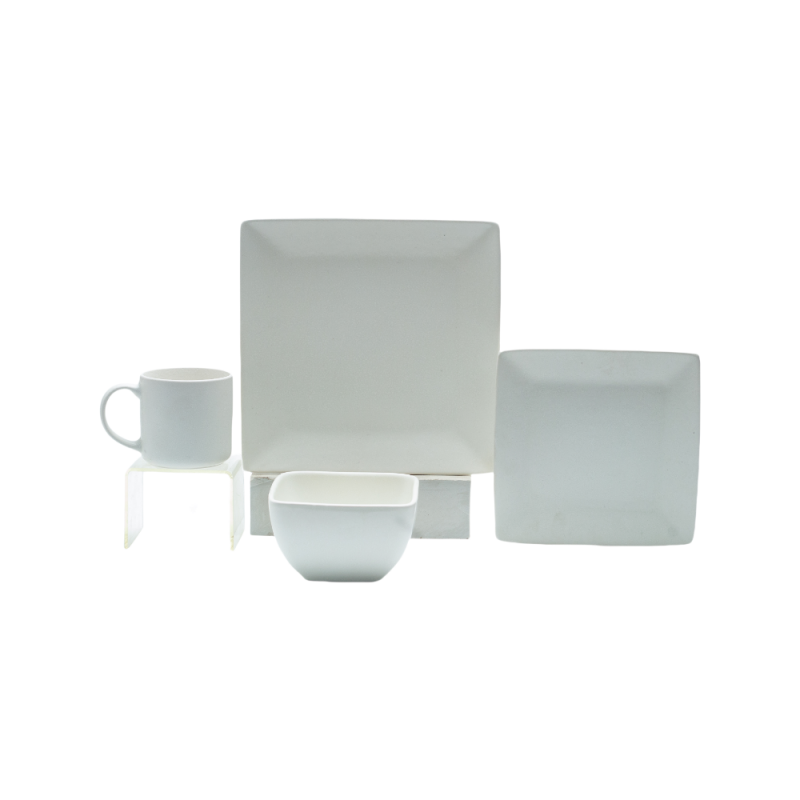
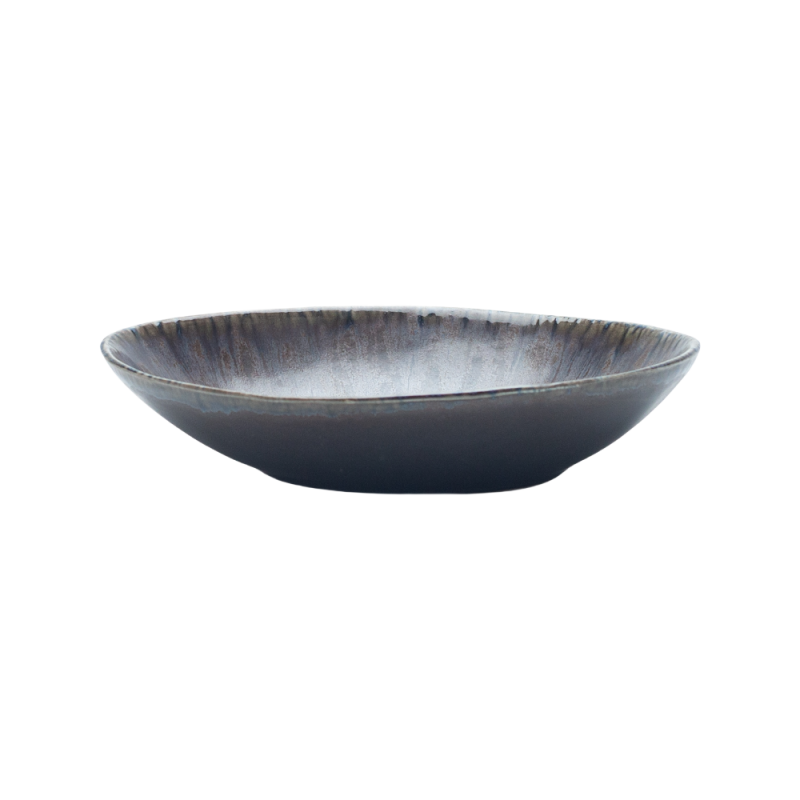
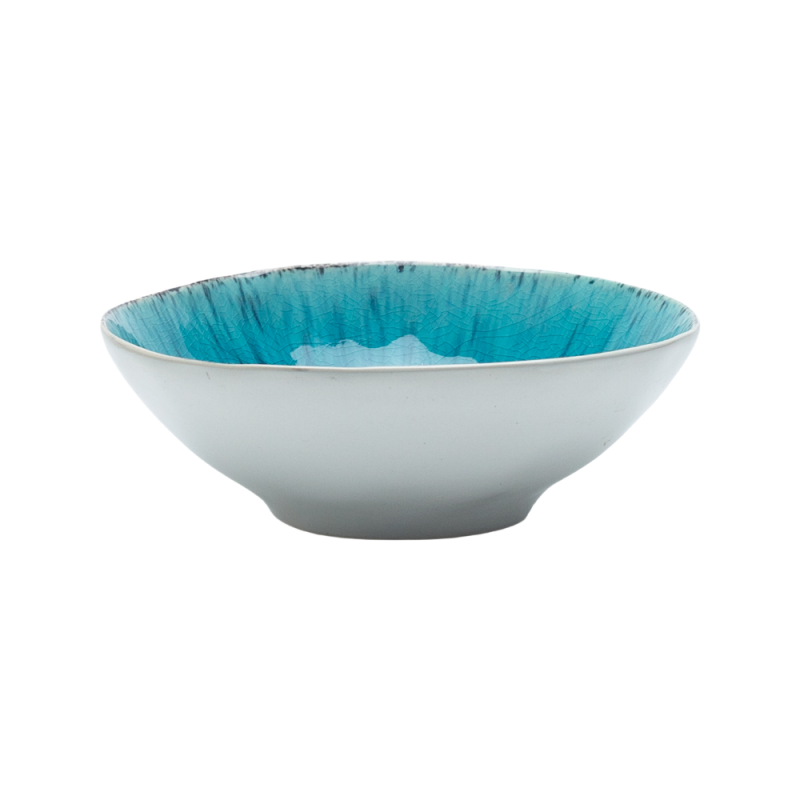
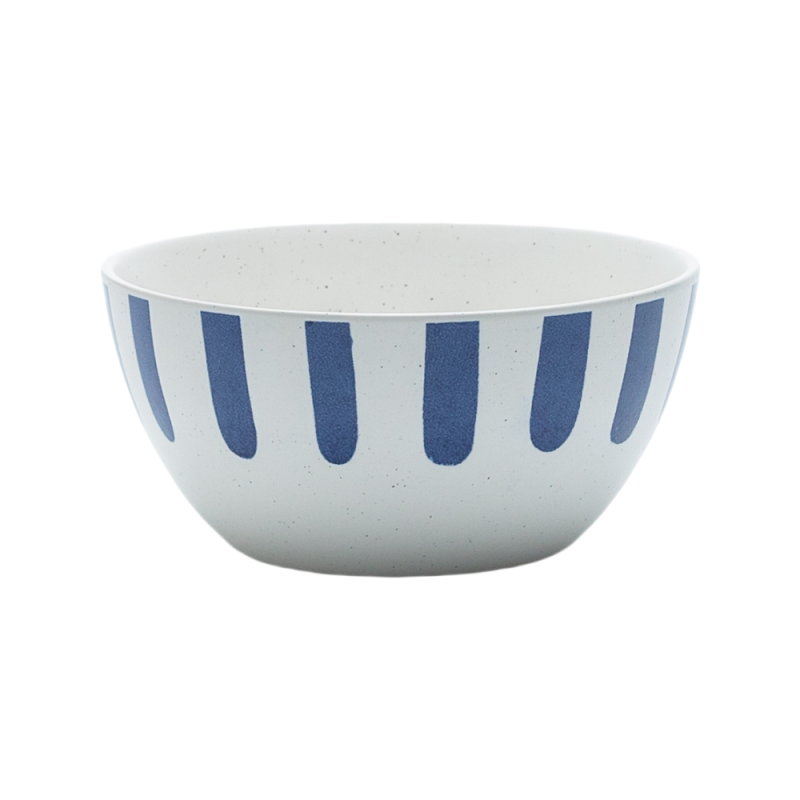
Products in this guide: Minimalist White Square 4-Piece Porcelain Dinnerware Set · Reactive Glaze Stoneware Bowl
Three Buying Rules
Buy the programme in sets, restock in open stock. The first order is a set order — it establishes the family, the glaze and the moulds. Every order after that should be open stock: individual pieces at stated prices. The wholesale agreement should therefore include an open-stock price list per piece with its own minimum, and a commitment that the same body and glaze remain available for the programme life.
Split the MOQ across SKUs, not within one. A container filled with dinner plates only is not a programme. The practical question for a wholesale buyer is whether the minimum applies per item or per order — whether, for example, four SKUs can be mixed to fill the quantity, each at a lower count. Suppliers who allow mixed-SKU minimums get longer programmes; those who do not force buyers into unbalanced stock.
Match the set to the wash reality. Restaurant pieces need a rim profile that stacks, a weight that survives handling, and a decoration that is fired. Retail sets can be lighter and more decorative. Wholesale buyers who serve both should specify them as two tiers with different weights and prices, rather than one compromise.
The Packing and Freight Layer
Dinnerware is the heaviest, most fragile freight in the trade, and the wholesale unit price depends on how well it is packed. Three items belong in the wholesale conversation: cartons rated for the mixed loads the buyer actually ships; plate cradles or stacking systems that reduce breakage in transit; and container utilisation — how many sets fit a 20GP or 40HQ, which is the number that decides the true landed cost per set.
Quality Tiers, Stated Honestly
Wholesale programmes usually need two tiers: a hospitality tier (heavier, chip-resistant, fired decoration, higher unit cost) and a retail tier (lighter, more decorative, lower cost). Specifying both from the same factory keeps the glaze family consistent while matching each channel's economics. What a buyer should insist on is that the tier is honest — a supplier quoting the hospitality price for a retail build will be replaced at the second order.
Questions to Ask a Supplier
- Does the minimum apply per order or per item, and can SKUs be mixed to fill it?
- Is there an open-stock price list per piece, with its own minimum?
- How many sets fit a 20GP and a 40HQ, with the packing system specified?
- What are the two tiers' weights, decorations and prices?
- Is the decoration fired, and what dishwasher cycle count is it tested for?
- Can the body and glaze be held for the programme life, with retained standards?
The spec freeze guide explains how artwork and packing files are locked between orders.
What to Put in the Order
- Set composition for the first order, and the open-stock list for every order after.
- MOQ structure per order vs per item, in writing.
- Packing system and container counts, which decide the landed cost.
- Two tiers stated separately, hospitality and retail.
- Fired decoration and dishwasher cycles, tested per tier.
- Retained standards for the programme life.
The packaging guide explains how retail-ready and protective layers are specified together.
The Habit That Ties It Together
The habit is to buy the first order as a set and everything after as open stock — with the prices, minimums and standards written down at the start. Programmes that do this keep every table matched and stop paying for pieces nobody uses.
Related Products
Explore products featured in this guide:
Have questions? See our Sizes & Finishes FAQ and Ordering & Certifications FAQ.
Need a custom quote? Send an inquiry or browse our full product catalog.