When a Product Is Discontinued: Last-Time Buy and What Comes After
A mug runs for three years, sells steadily, appears on packaging and in a catalogue, and then a supplier writes to say the shape is no longer available. There is usually no crisis behind the message — no disaster, no closure. A mould wore out, a glaze was reformulated, a line was rebalanced, or the shape simply stopped earning its place in the kiln schedule.
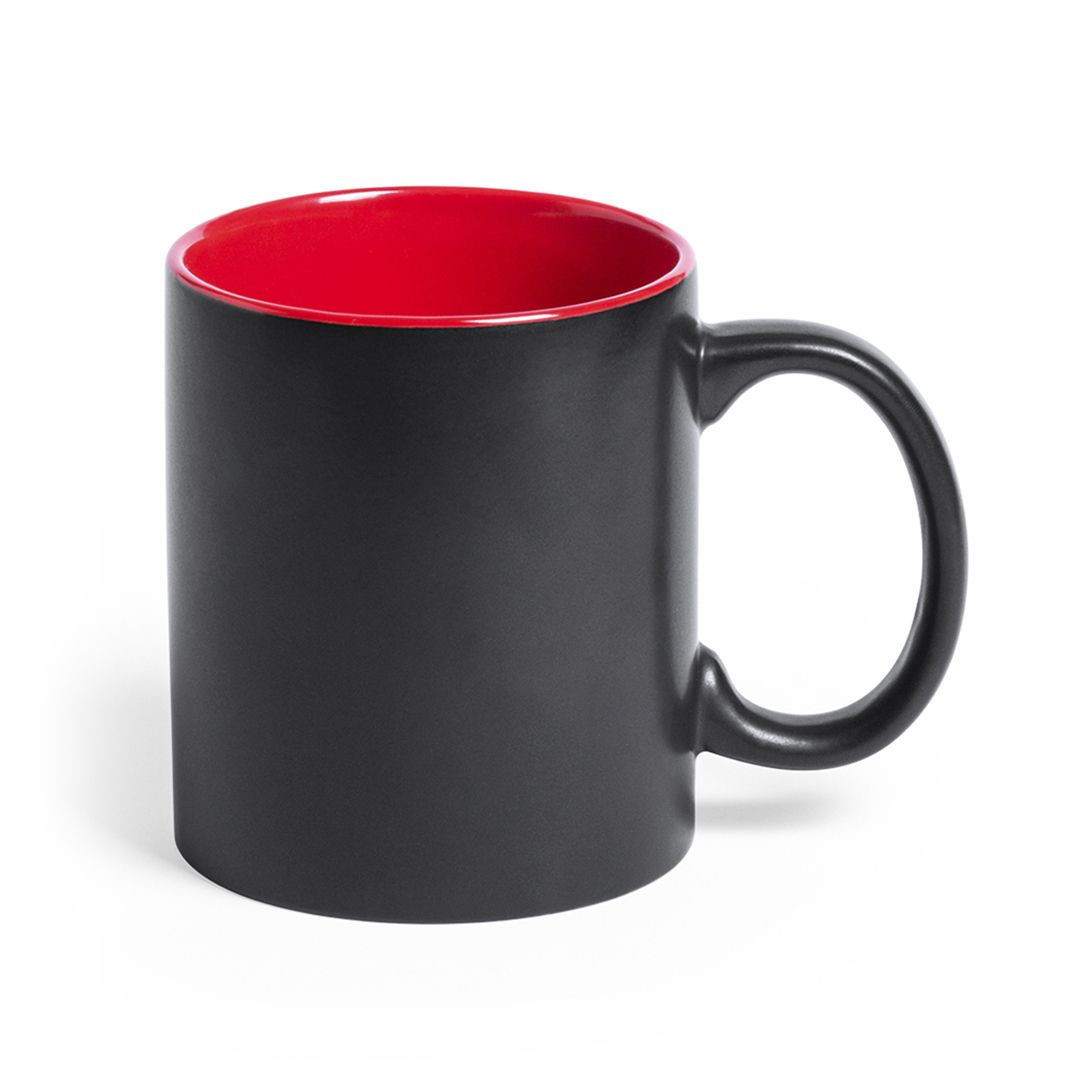
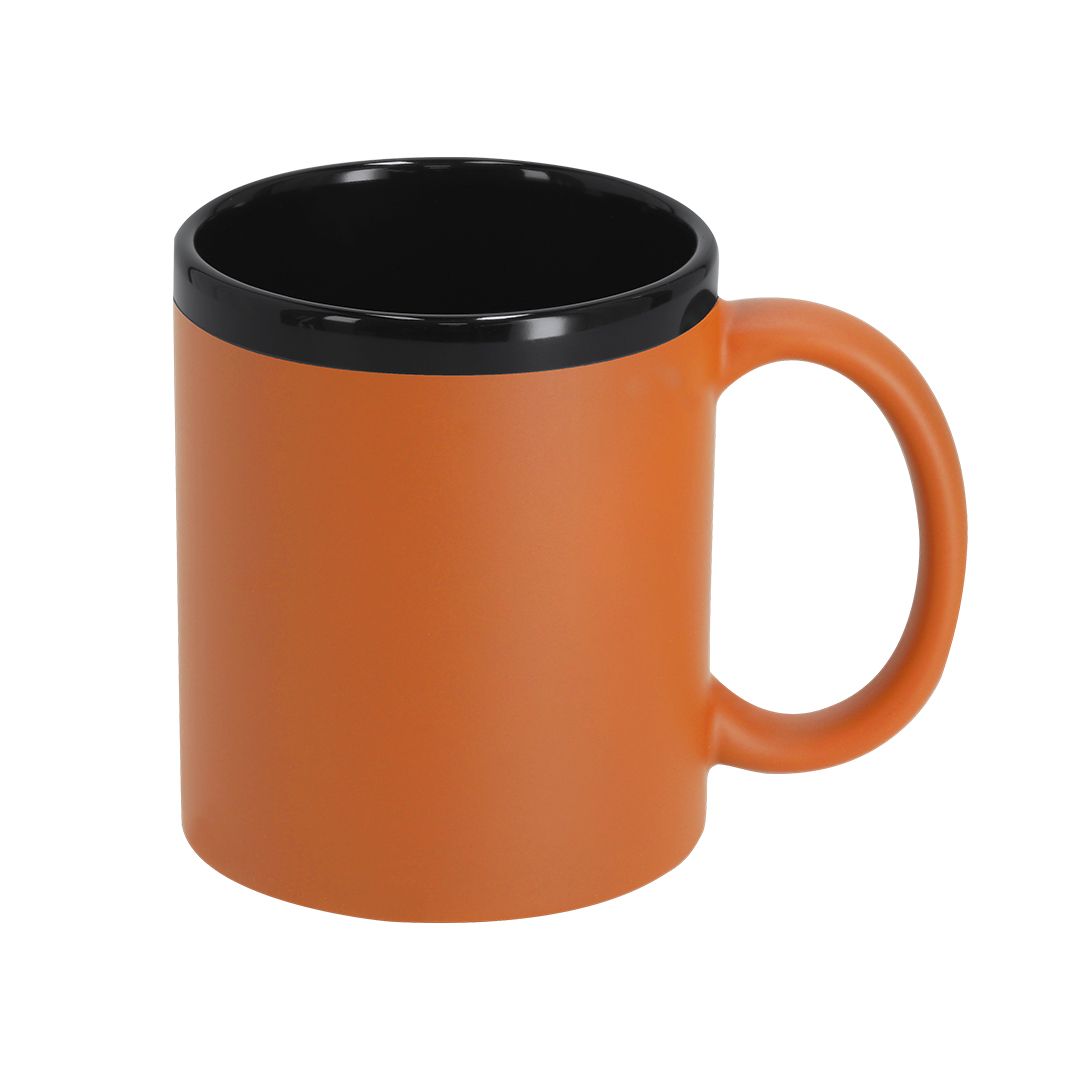
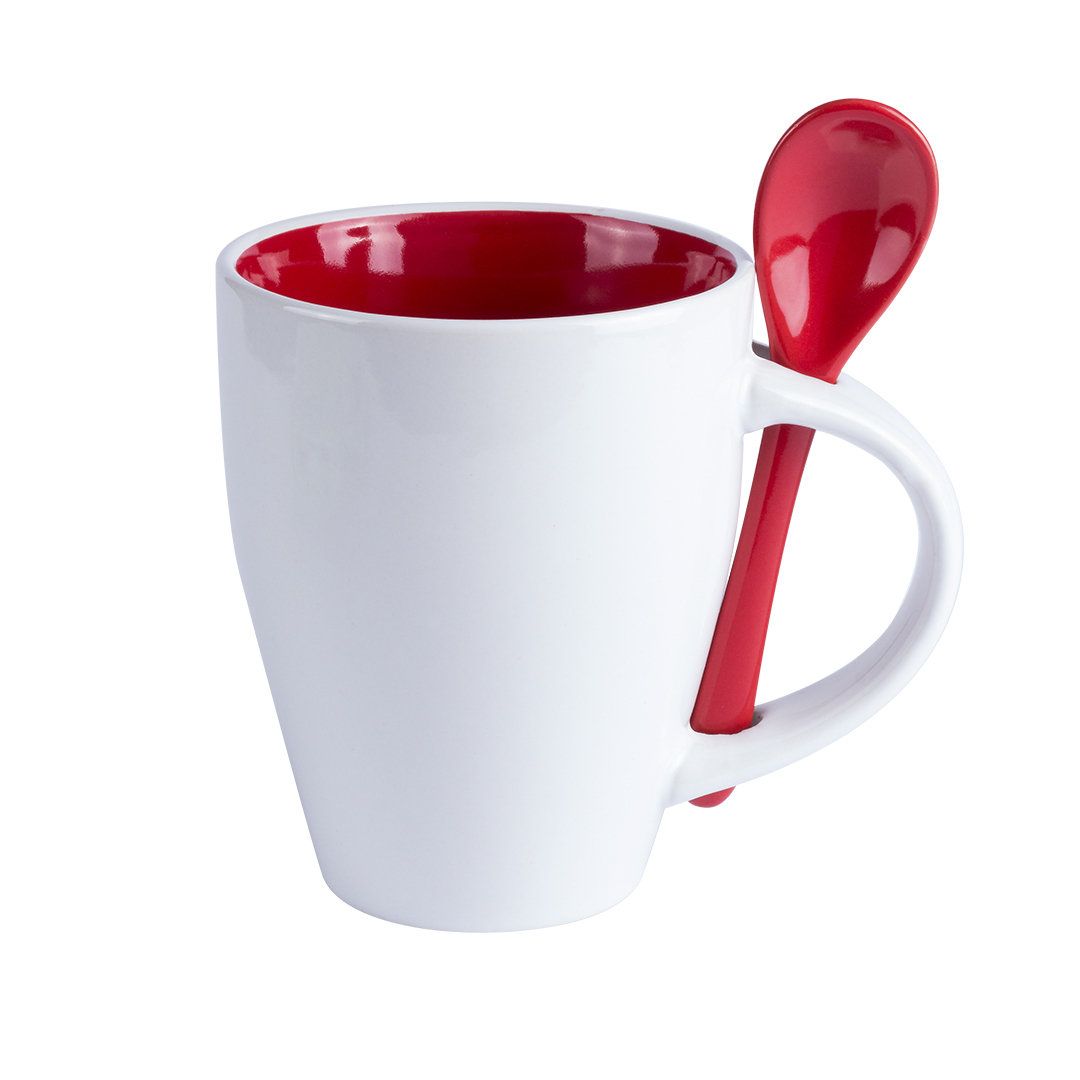
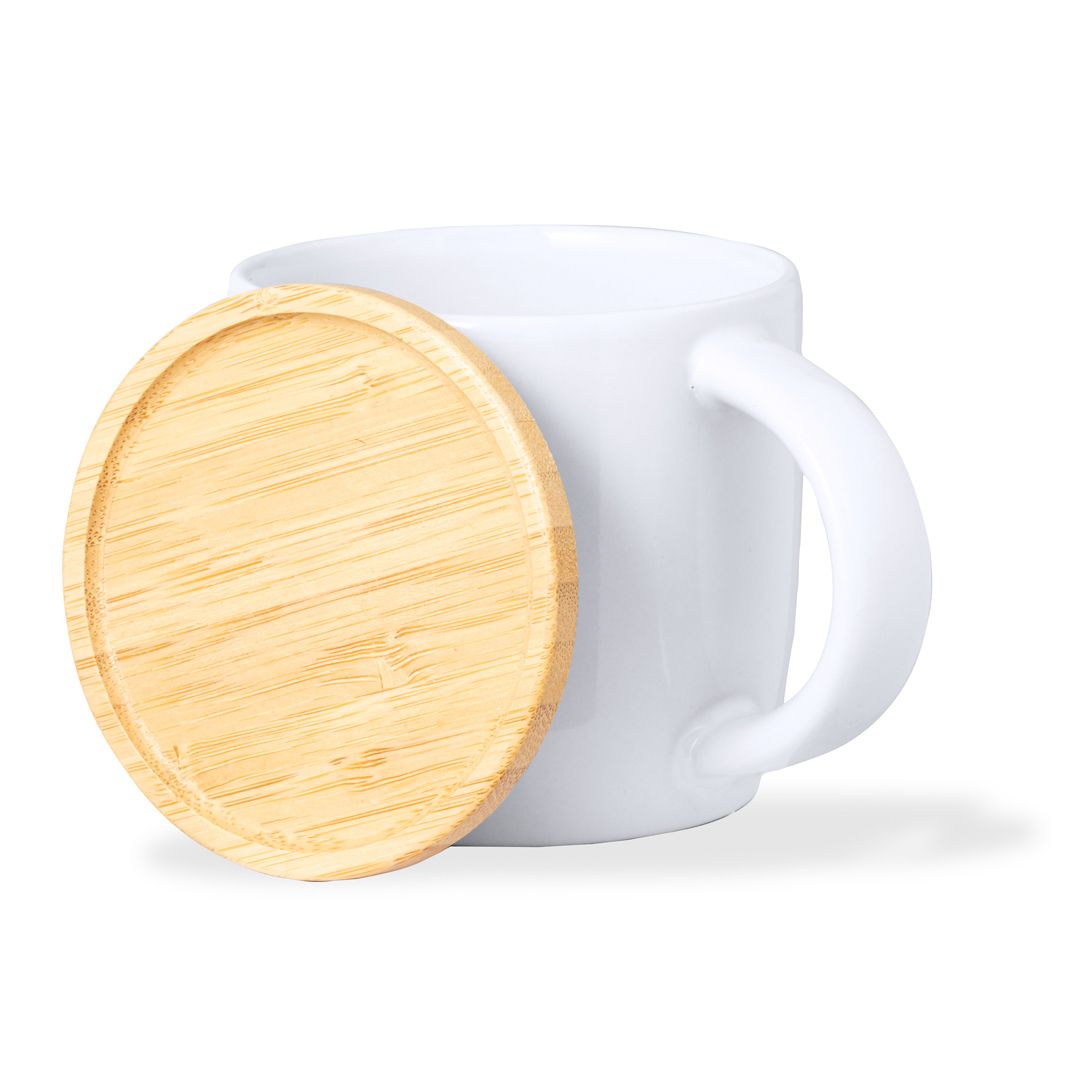
Products in this guide: Matte Black Ceramic Mug Blank 11oz · Two Tone Ceramic Mug Blank 11oz
The disruption is real anyway, and it lands on the buyer rather than the factory. What decides how much it costs is not the message. It is what was agreed, in writing, long before the message was sent.
Why shapes get retired
Retirement is a normal part of running a ceramics plant, and the reasons are mostly economic rather than dramatic.
The mould reaches the end of its life. Tooling wears. At some point the cost of maintaining dimensional consistency exceeds the cost of cutting a new mould, and if the shape is not earning enough, nobody cuts one.
A glaze or body is discontinued upstream. Glaze materials and stains are bought from chemical suppliers. When a pigment is withdrawn or a formulation changes, every colour built on it has to be re-developed, re-approved and re-tested — often for a product that no longer justifies the work.
The kiln schedule is rebalanced. Factories group similar bodies and similar firing profiles to fill loads efficiently. A low-volume shape that needs its own curve becomes expensive to keep in the plan.
The customer base for it disappears. If a shape was made for one distributor and that distributor leaves, the mould stays but the reason to run it does not.
How much notice is realistic
There is no industry standard. In practice, notice ranges from a courtesy call to nothing at all, and it depends almost entirely on the relationship and on whether the factory remembers that someone still buys it.
Two things improve the odds. The first is volume: a shape that runs every quarter is on somebody's schedule, and its disappearance gets noticed before it happens. The second is a purchase pattern that is visible — a factory that can see next year's forecast in your order history is far more likely to warn you than one that receives a surprise order every eighteen months.
Where notice does arrive, it is usually short. Three months is common; six is generous; a year is rare and normally only for shapes with a formal programme agreement behind them.
What a last-time buy actually commits you to
A last-time buy — often written LTB — is the offer to make one final batch. It solves the immediate supply gap and creates four new problems, none of which are about the mugs themselves.
Cash and space. You are buying several years of demand in one invoice, and storing it. For a bulky product that is a real cost, and it is paid before a single unit sells.
Shelf life and condition. Ceramic keeps, but packaging does not. Corrugated board loses strength in humid storage, and inner fitments can deform under load over years. A five-year stock needs a storage plan, not just a warehouse.
The specification is frozen at a moment. Whatever the product was when the last batch ran, it stays. If your market's labelling rules change, or a test report expires, you own the problem with no factory to fix it.
You are funding the alternative. The money spent on five years of stock is money not spent developing the replacement. Most buyers who take a large LTB end up launching the successor two years late.
A sensible quantity is usually not "all remaining demand". It is enough to cover the time a replacement genuinely needs — sampling, approval, artwork, first production and a safety buffer — and no more.
What comes after: the replacement path
Replacing a shape is not a purchase, it is a project. It runs through five stages, and the first one is the one buyers skip.
Decide what actually has to be identical. Rim diameter, height, capacity, weight class, handle geometry, stacking height, packing footprint. Most replacements fail because the buyer asked for "the same mug" and got a different one that measured the same in two dimensions.
Check whether the mould exists elsewhere. If the shape was a house mould rather than a private one, another factory may run it. This is worth one question before anything else.
Re-tool or re-select. Cutting a new mould takes the longest, so it should start first, even before the specification is perfect.
Re-qualify. New tooling means new samples, new dimensional checks and, if the body or glaze changed, new test reports.
Run a bridge batch. A small production run before the main order confirms that the new shape behaves in packing and in transit the way the old one did.
The replenishment calendar maps the ordering windows for the whole year.
The clause that prevents the worst version
Most of the damage is avoidable with four lines in the supply agreement, and they cost nothing to add.
- Notice obligation. The supplier will inform the buyer in writing a set number of days before a shape, glaze or decoration is retired, and will not accept a final order for it without confirming that the buyer has been told.
- Final order right. The buyer may place one final order at the last agreed price, within a stated window after notice.
- Tooling status. Whether the mould is the supplier's or the buyer's, and if it is the buyer's, whether it can be moved.
- Continuity of specification. For a defined period, the supplier will not change body, glaze or decoration without written approval.
The second point matters more than it looks. Notice without a final order right is information; notice with it is a plan.
The quote validity guide explains how to hold prices on long programs.
A discontinued mug is not a supply failure. It is the normal end of a product's life, and it becomes a problem only when it arrives as news rather than as a decision the buyer had already prepared for.
Related Products
Explore products featured in this guide:
Have questions? See our Sizes & Finishes FAQ and Ordering & Certifications FAQ.
Need a custom quote? Send an inquiry or browse our full product catalog.