




What a Defect Costs Depends on Where It Is Caught
A chipped rim is a chipped rim. Physically it is the same object whether it is spotted at the glazing bench or on a pallet inside a supermarket distribution centre. The invoice it generates is not the same, and the difference has nothing to do with clay.
Products in this guide: Large Ceramic Coffee Mug 650 ml · White Stoneware Salad Plate
The price of a defect is set less by the defect itself than by the gate where somebody finally notices it, and by who is holding the goods at that moment. Factories measure defects constantly: reject rate, yield, defect Pareto, first-pass figures. Very few of them convert those numbers into money, and that is why the cheapest improvement in a plant is usually the one that never gets funded.
This is the accounting side of the quality conversation. Four gates, four prices, three accounts, and one boundary that decides who pays. See the full ceramic sourcing process map.
The Same Defect at Four Gates
Start with a single body crack, the kind that appears during drying. Where it is caught changes everything that follows.
At the first gate the piece is still unfired. It is sorted at the bench or after drying, and the loss is clay, forming time and kiln space. Nothing expensive has been spent on it yet.
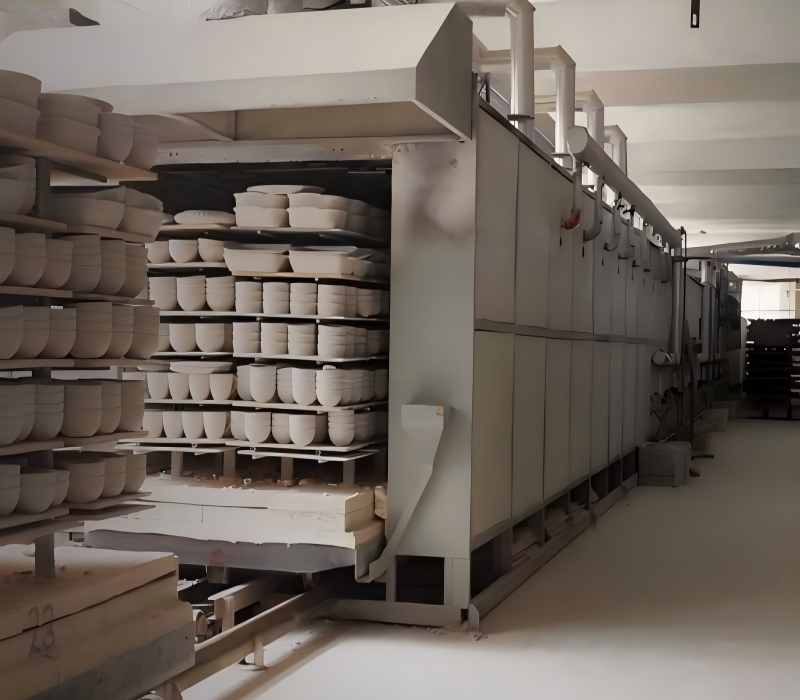
At the second gate it has been fired, glazed and fired again, sometimes decorated and fired a third time. The loss now includes energy, kiln capacity and a decoration operation, and the clay is a rounding error next to the firing.
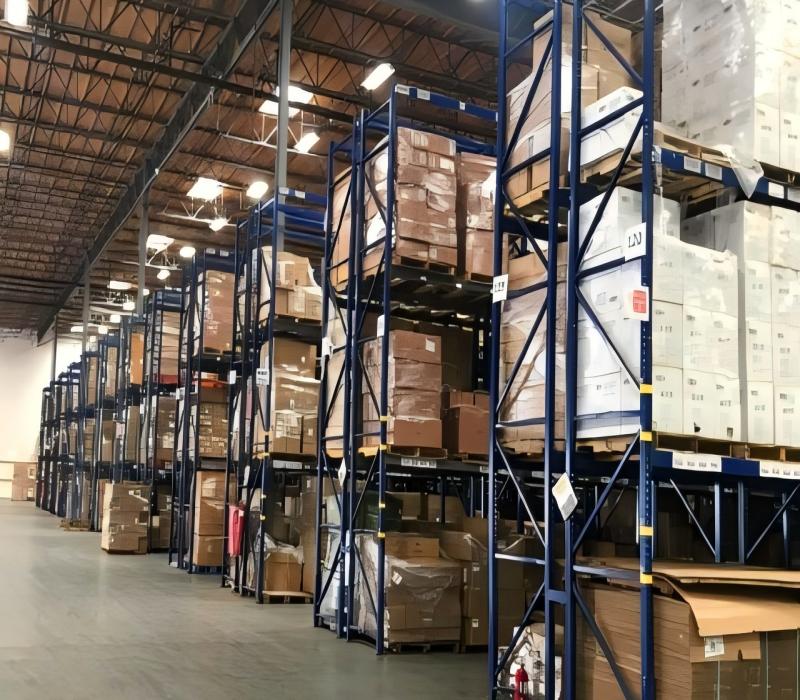
At the third gate the ware is packed. Cartons, inner dividers and wrapped pallets exist, and sometimes a container is already loaded. Finding a defect here means unpacking, sorting, repacking and inspecting again, and every step consumes time allocated to something else.
At the fourth gate the goods have crossed a border. The buyer owns the problem: storage, sorting labour, a return decision, a replacement shipment, a shelf that stays empty while the argument runs.
Why the Ladder Steepens Instead of Adding
Each gate does not simply add a cost. It multiplies the existing one, because the work already done gets thrown away along with the piece.
A body that is scrapped before glazing wastes the material and the forming time. A body scrapped after firing wastes all of that plus the energy of two firings. A carton scrapped at the port wastes the ceramic plus the packaging plus the freight charged on volume and weight, and freight is not refunded because a mug was cracked.
Three Accounts, and Only One Gets Managed
Quality cost is normally split three ways, and the split explains most budget behaviour in a plant.
- Prevention: training, first-article approval, glaze control, mould maintenance, drying discipline.
- Appraisal: inspection, testing, AQL sampling, third-party visits, laboratory work.
- Failure: scrap, rework, allowances, replacement, freight, claims, markdowns.
The failure account is the visible one. It appears in monthly reports with a number attached. Prevention is invisible when it works, which is precisely why it loses every argument about where to spend the next yuan. A buyer who only ever discusses the failure account is negotiating with the wrong column. The master sample guide explains how sealed references keep batches identical.
The Cheapest Lever Is an Earlier Gate
The instinct when defects appear is to tighten the final inspection. That is the most expensive place to tighten, because by then the defect has collected every cost on the ladder.
Moving the gate earlier is cheaper and less dramatic. Three levers do most of the work: a first article approved from the actual production line rather than the sample room, a patrol check that watches for drift instead of counting rejects at the end, and a defined sorting step before glazing so cheap defects never become expensive ones. None of these need a new machine. All of them need somebody to own the gate, with a written definition of what a reject looks like there.
Tightening the end instead has a predictable outcome. The defect count does not fall; it moves into rework, re-inspection and delay, and delay carries its own price.
Where the Cost Boundary Sits
Under most trade terms the supplier owns the goods until they are handed over, and the buyer owns them after. That line is often treated as if it settled quality. It settles custody, not cause.
Inspection timing is what actually moves the boundary. If inspection happens at the factory gate, the buyer pays an inspection fee and avoids most of the far end of the ladder. If it happens at destination, the buyer funds the discovery, the sorting and the storage while the claim is argued. Both arrangements are legitimate; only one is usually priced into the quotation.
There is also a category the boundary does not cover: a defect that appears months later, after dishwashing cycles or repeated heating. That is not an inspection question but a specification and testing question, decided long before the first carton was packed.
The Cost That Never Appears on an Invoice
The largest item in the ladder rarely has a line item. It is time.
Rework takes weeks that were promised to somebody else. A missed sailing pushes arrival past a shelf-reset date, and a shelf-reset date does not negotiate. The empty position gets filled by a competing product, and the next order arrives into a worse position than the last one. None of this appears in a defect report, and none of it is recoverable through a credit note.
This is why quality is systematically under-priced by buyers. The visible costs are the small ones.
What to Write in the Order
A quality clause that names only an AQL number leaves the ladder unmanaged. The clauses that change behaviour are the ones that name gates.
Define what counts as a reject at each stage, not only at final inspection. Set the sampling level per gate rather than one figure for the whole order. Name the remedy ladder and who chooses the rung: rework first, replacement where rework cannot restore the specification, an allowance only by agreement. Fix the inspection timing, state who bears the cost of a re-inspection when the first result is disputed, and attach the sealed reference that defines acceptable appearance.
None of this makes defects disappear. It decides where they are found and who pays for the discovery, which is the part of quality that can be negotiated.
A defect is a physical event. Its cost is an administrative one, and administrative costs respond to documents rather than to intentions. Two plants can run the same process and reach very different economics simply because one sorts earlier than the other.
Related Products
Explore products featured in this guide:



Have questions? See our Sizes & Finishes FAQ and Ordering & Certifications FAQ.
Need a custom quote? Send an inquiry or browse our full product catalog.