

The Sample That Leaves Before the Container: What a Pre-Shipment Piece Can Still Change
Every order has one moment when the goods stop being a plan and become a container, and exactly one object crosses to the buyer before the doors close: a piece pulled out of the packed cartons and sent ahead by courier. It is the last chance to say no while saying no still costs days rather than a claim.
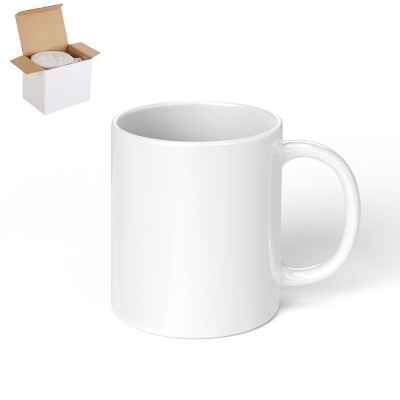
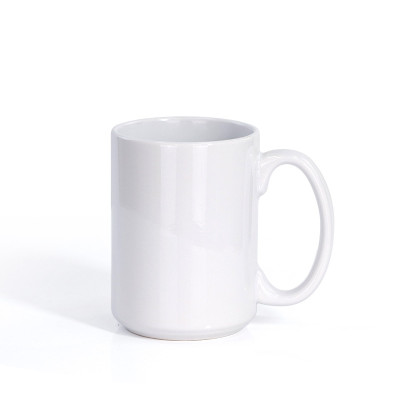
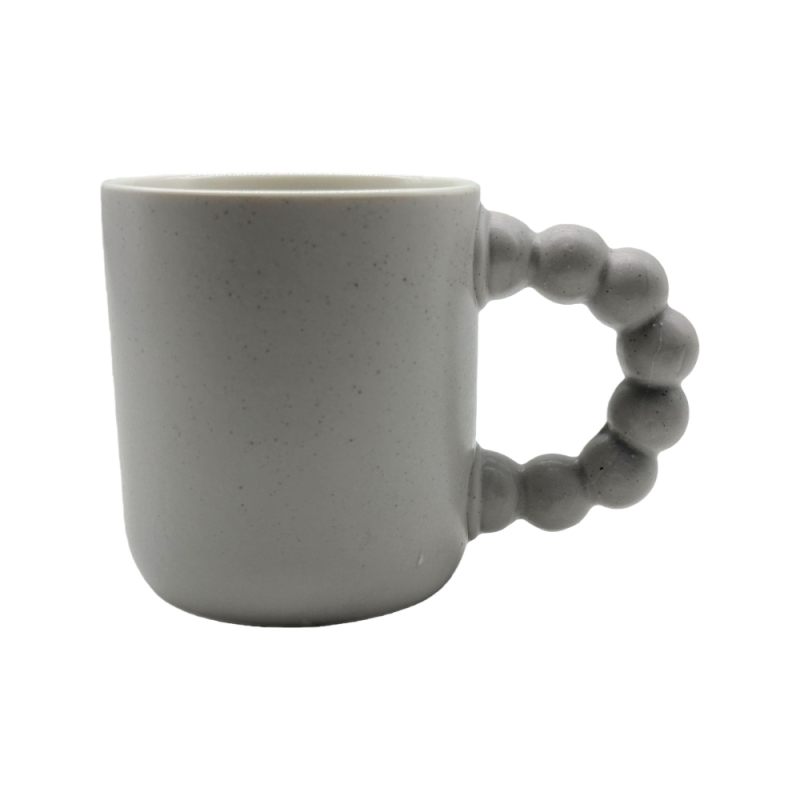
Products in this guide: New Bone China Ceramic Mug · Bone China Rice Bowl Set
Buyers usually treat sampling as a stage that ends when production begins. In practice the chain runs to the end of the order, and the piece that matters most is the one nobody schedules. It is requested late, pulled from whatever carton is nearest the door, and judged against memory instead of the piece that was approved.
What follows is what that last sample is for, when it has to leave the factory to be worth anything, and the lines to write into the order so that it arrives while a decision is still open.
What this sample is, and what it is not
Three different objects travel under the same word. The development sample answers whether a shape can be made. The pre-production sample answers whether the line will make it the same way twice. The pre-shipment sample asks whether what is inside the cartons is the thing that was agreed.
The first two are about capability; the third is about evidence, and it is the only one drawn from the actual lot. It is neither a certificate nor an inspection. It is one object that either matches the reference or does not, and the answer arrives while a decision is still available.
The window is set by packing, not by the vessel
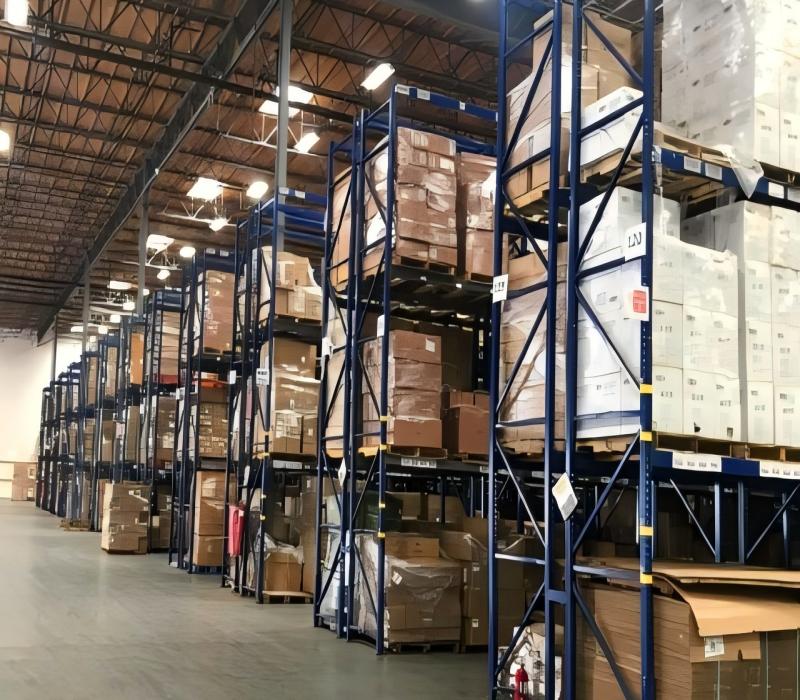
The common mistake is to request the sample when the container is booked. By then the cartons are packed and counted, and the only lever left is the port: hold the box, pay for the days it sits, and hope the sailing can be caught later.
The sample has to be drawn when packing starts. From that point the piece travels by express in roughly three to five working days while the balance of the order is still being packed. That overlap is the entire value of the exercise. A parcel dispatched at loading arrives after departure, and information that arrives after departure is history rather than a decision.
How many pieces, and from where
- Three to six pieces rather than one, since one cannot separate a bad mug from a bad morning.
- The first cartons packed, one carton from the middle of the run, and the last cartons, since the end of a run is where a tired line and a nearly finished glaze batch show up.
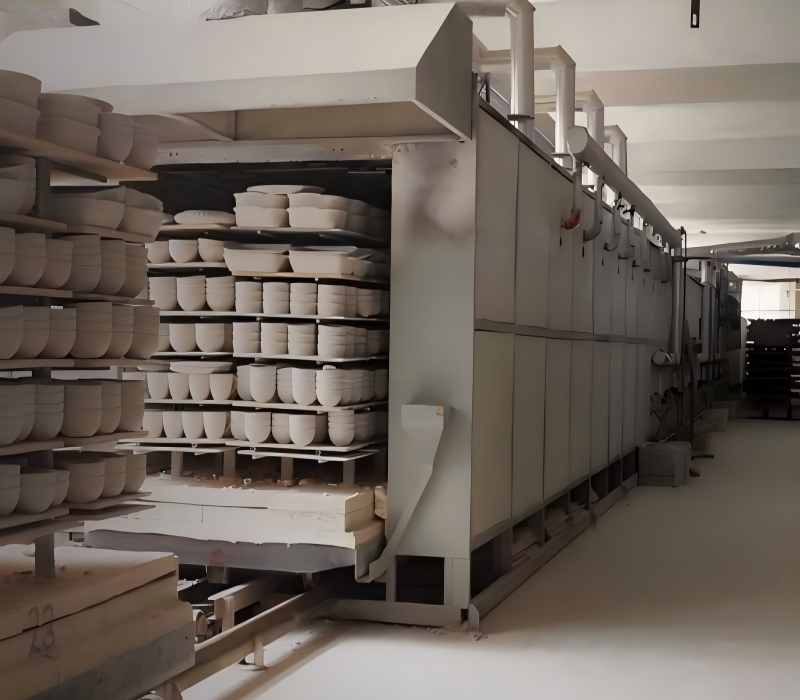
- One piece from each kiln car or production day if the order was fired across more than one.
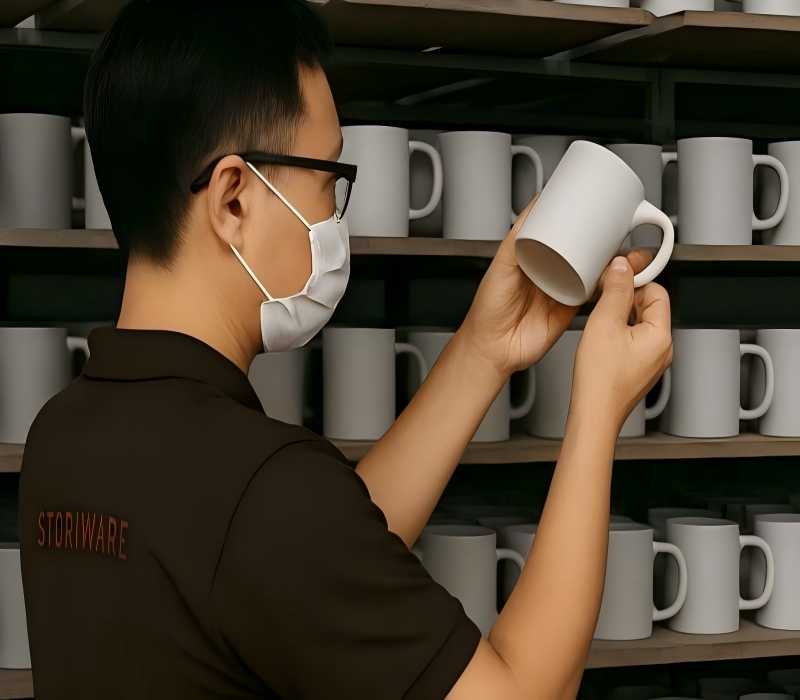
- One carton opened exactly as the buyer will open it, so packing is judged with the same eyes as the glaze.
- The approved reference piece, which is the subject of the section after next.
What the sample cannot prove
A parcel of five pieces says nothing statistical about thirty thousand. It cannot establish a defect rate, it cannot replace an inspection against an agreed sampling plan, and it cannot tell you whether the fourth carton on the seventh pallet is typical.
What it can do is catch a shift: the wrong shade, a decoration sitting low, a handle that lost its profile, a carton that arrived soft. Those failures are rarely subtle once two objects are side by side. Treat the sample as a smoke detector rather than a fire report.
The reference has to travel with it
A judgement without a reference is a memory. If the parcel contains only the new piece, the comparison happens in someone's head, against a sample approved months earlier and possibly stored under a different light.
Put the sealed approved piece in the same box and photograph the two together: same light, same distance, same camera, one frame with both objects in it. One photograph containing both pieces settles more arguments than ten of one piece, because the question is never whether the new mug is acceptable in isolation. It is whether it is the same object as the one that was signed.
If it comes back wrong, three options and what each costs
- Hold the container at the port. Storage and demurrage accumulate by the day, the vessel may sail without the booking, and the factory believes it has finished.
- Sort before loading. The strongest option, and the one that depends on the sample arriving while the trucking is still ahead. Rejects are pulled, replacement comes from overrun, and a second sample confirms the fix.
- Ship, then claim. The weakest and most expensive. Once the container is on the water the evidence chain moves to the destination, the cargo changes hands, and every party has a reason to point at another one.
The first two exist only if the timing above was respected. This is why the sample is a scheduling instrument before it is a quality instrument.
What to write into the order
Six lines turn the gesture into a control. The spec freeze guide explains how artwork and packing files are locked between orders.
- The sample is drawn at the start of packing, not at loading, and dispatched within two working days of the first carton.
- Three to six pieces, taken from named positions in the run, plus one carton opened as delivered.
- The approved reference travels in the same parcel and appears in the same photograph.
- The courier account is named in the order, so that nobody waits for a freight discussion before sending a parcel.
- A named person on the buyer side who is allowed to stop the container, and the number of days the factory will hold it without reloading.
- What happens on a fail: sort and replace from overrun, with a further sample approved before the doors close.
Most of these parcels confirm what everyone expected, and that is the point. A control that only earns its keep in a crisis still has to be specified in calm weather. The quote validity guide explains how to hold prices on long programs.
The cost of the exercise is a courier account and a few pieces of ware. The cost of skipping it is discovered at the destination, where the cartons are already open and the only lever left is a claim built from documents written in a hurry.
A buyer who asks for the last sample before the box closes is not being difficult. They are using the only window in the whole order when a no is still cheap.
Related Products
Explore products featured in this guide:


Have questions? See our Sizes & Finishes FAQ and Ordering & Certifications FAQ.
Need a custom quote? Send an inquiry or browse our full product catalog.