






The Order Before Yours: What Has to Leave the Line First
A carton arrives at a distribution centre and the mugs inside are flawless. The glaze is even, the rim is true, the print sits square. Every one passes the specification the buyer wrote. They are simply not the mugs the buyer ordered. Somewhere in the same shipment the right mug is travelling, and a customer now has to explain to a chain account why one pallet of a large programme belongs to somebody else.
Products in this guide: New Bone China Ceramic Mug · Ceramic Rice Bowl
That is not a quality failure and it does not show up in a defect rate. The pieces are not defective, they are misidentified, and the window where that happens is short and predictable: the changeover between the order that ran before yours and the one that runs for you.
Sourcing time goes on the specification of a single order. The changeover is the seam between two orders, and seams are where a programme loses control.
Why the inspection plan cannot catch it
An AQL inspection compares pieces against a defect list. Chips, crazing, colour drift, a print out of register, a rough foot: each has a class, a severity and a count. A mug from the previous order has none of them. It is cosmetically perfect and it is the wrong object, and no defect class exists for the wrong object.
The arithmetic makes it worse. A 5,000 piece lot sampled at a general inspection level draws a sample in the low hundreds. If six stray pieces sit inside that lot, the chance that any one lands in the sample is small and the chance that all do is negligible. The inspection passes, correctly, on every criterion it was designed to check.
So the control cannot sit at final inspection. It has to sit at the changeover, where the pieces are still countable and the person responsible is still standing there.
Three places where the previous order survives
A ceramic line is not a conveyor that empties when the last piece leaves. Ware sits in queues that do not clear themselves. The three that matter:
- The decoration station. Screens, films, pad-print clichés, the decal sheets for the previous design, the tray of test prints made while the operator found register. All of it sits within arm's reach of the new run.
- The ware in transit. Pieces on kiln cars, on stillage, in the glaze booth queue, on the shelf held back for rework. They look like inventory and belong to another buyer who has already been invoiced for them.
- The packing line. Cartons printed with the previous mark, dividers, inserts, the roll of pallet labels, the sticker sheet with the old barcode. Packing is the last place a piece can be mislabelled.
Each needs its own action: removal, reconciliation, or a locked container. An instruction to clean the area addresses none of them precisely.
Sequencing is the cheapest control a buyer owns
Changeover count is a planning decision, not a fact of nature. Two moves reduce it before anyone touches a broom.
Run light shades before dark shades when the same booth sprays both. Pigment carried in the booth, in the reclaim and on the gun body moves from dark to light, not the other way; a light order after a dark one inherits a tint no colour chip will forgive. Run one body with several decorations in a block, so only the decoration changes. Cluster designs that share a screen, because that changeover is a cleanup, not a setup.
Ask for the production sequence in the plan the factory issues, and which orders sit either side of yours. A buyer who knows the neighbours can reason about the risk.
What clean actually means
Clean is not an appearance. A wiped table looks clean and still holds the previous design in a drawer. The workable definition is a count and a test, and both produce evidence instead of an opinion.
- The previous order closes at zero on its own count sheet, and whatever remains sits in a sealed container labelled with its order number.
- A short run of the new order, twenty to thirty pieces, goes through the whole path before bulk release: decoration, firing, sorting, packing. Those pieces are checked for the previous design, not for defects.
- The route is walked with the previous order's papers in hand, station by station, and each station is confirmed empty of that order.
The seek run is the step factories skip most, because it costs a firing cycle, and the only one that produces evidence rather than a statement.
The signature that makes the changeover visible
A changeover nobody records cannot be investigated later. One with three fields can: the time the previous order closed at zero, the time the first new piece entered the line, and the name of the supervisor who released it.
The factory signs, because the factory owns the floor. The buyer defines the requirement, because the buyer carries the consequence. Written into the order, it turns a habit into a record that outlives the shift.
The master sample guide explains how sealed references keep batches identical.
What a mix-up costs against what clearing costs
Sorting a mixed container at destination is manual work at destination labour rates: open, identify, separate, repack, relabel, and a chain customer waits for a revised delivery date.
Against that, a clearance routine costs a supervisor half an hour and a seek run of thirty pieces. The asymmetry is why this belongs in the purchase order rather than in a factory visit conversation.
Four lines that belong in the order
- A changeover between two orders requires a signed clearance record before the first piece of the new order enters decoration and before packing begins.
- A seek run of the new order passes through the full path and is checked for the previous design before bulk release.
- Leftover ware from the previous order is counted to zero, sealed, labelled with its order number and excluded from the new cartons.
- Any mixed carton found at destination is handled as a documented event with a root cause, not as an argument about who counted what.
None of these lines requires new equipment, and none lengthens a lead time by more than the clearance itself. The quote validity guide explains how to hold prices on long programs.
A programme is supervised at its two ends: the specification that starts it and the inspection that closes it. The seam in the middle, where one buyer's order becomes another's, gets the least attention and produces the carton of perfect wrong mugs. A signature on that seam costs almost nothing and closes the hole completely.
Related Products
Explore products featured in this guide:
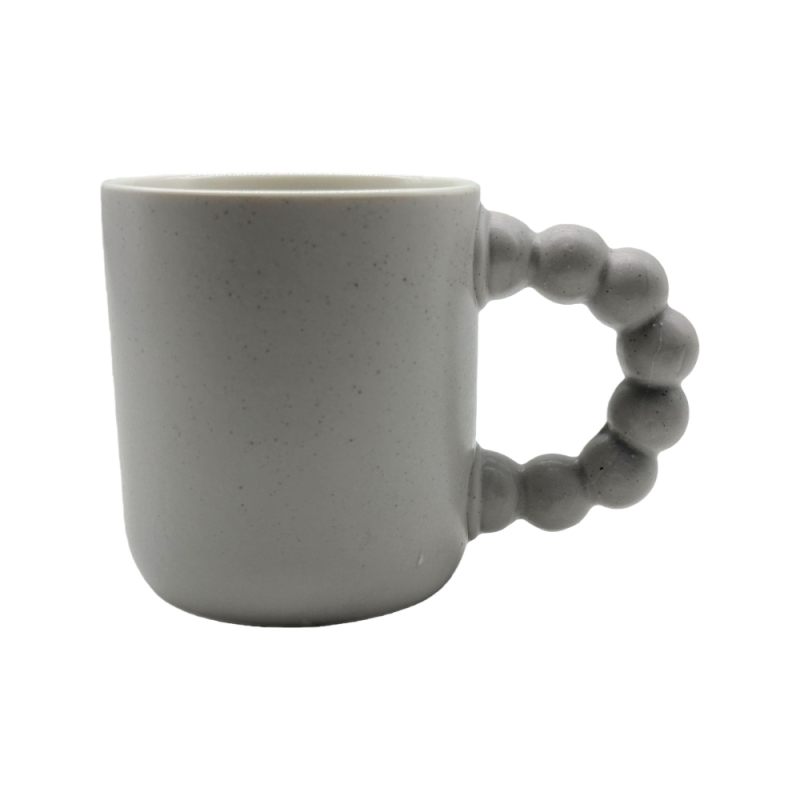


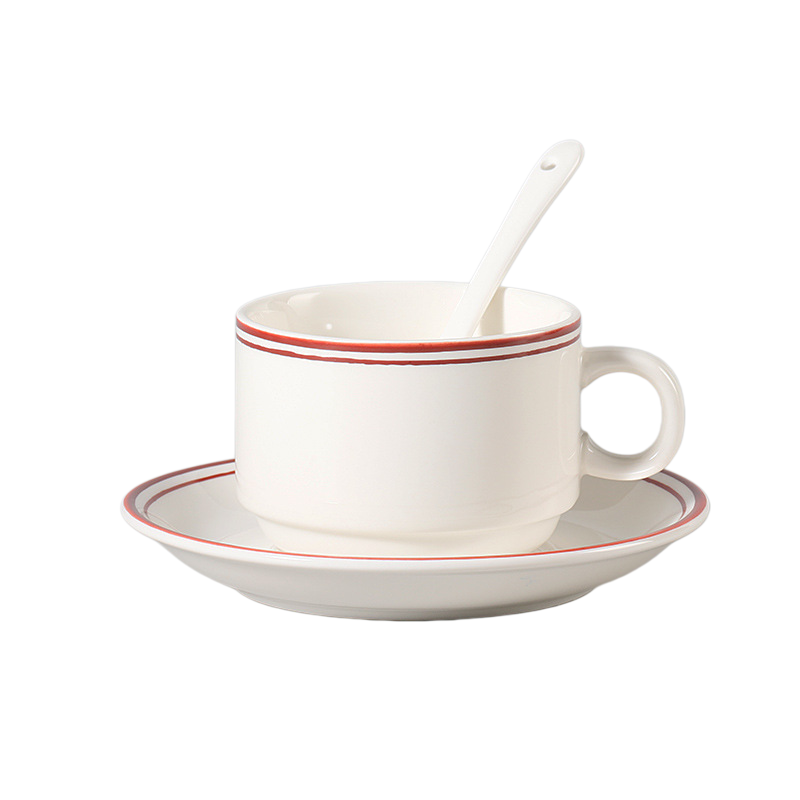
Have questions? See our Sizes & Finishes FAQ and Ordering & Certifications FAQ.
Need a custom quote? Send an inquiry or browse our full product catalog.