




The Container Nobody Claims: Who Owns It at the Destination
A hotel group confirms a twelve-thousand piece tableware order for a spring opening, and the opening slips to autumn six weeks later. The container has already sailed. At the destination port it is discharged, stacked and left, because the warehouse meant to receive it is not built and the person who signs the customs declaration has moved to another company. Nobody has refused the goods. Nobody has said anything at all.
Products in this guide: Ceramic Rice Bowl in Minimalist White · White Stoneware Ceramic Salad Plates
This is not a rejection, and it is not a customs examination. In both of those somebody is acting: a claim is filed, a review is opened, a decision is awaited. Here nothing is happening, which is exactly the problem. The goods have left the factory, they have been partly paid for, and they belong to nobody in any practical sense.
What follows is how that is resolved: three clocks that start together, three parties who each hold one piece of the answer, and four routes by which the cargo can eventually leave the terminal.
Three Clocks That Start at the Same Moment
The container is discharged and three periods begin to run. Terminal storage free time covers the days the full box may sit inside the port. Equipment free time covers the days the carrier allows it to stay outside. Customs supervision covers the interval before a declaration is lodged and released, and ignores the other two entirely.
They expire at different moments, are billed to different parties, and only one is usually visible to the buyer. That is why the first invoice often arrives before the first decision: by the time the problem is discussed internally, one period has ended and the meter is running on the rest.
The exact allowances belong in the booking confirmation and the rate agreement, not in an assumption carried over from a previous shipment. They vary by port, carrier and season.
Title, Delivery and Payment Are Three Different Things
The common assumption is that the party who owns the goods is the party who can collect them. On a container at destination, that is frequently wrong.
- The holder of the bill of lading controls delivery, and may be a bank or a forwarder with no interest in the cargo at all.
- The named consignee may not be the entity that placed the order, holds the funds or wants the goods.
- The importer of record is the party the customs authority will deal with, and that registration cannot be transferred by email.
Issued to order, delivery follows endorsement, so goods can be redirected while they sit in the terminal; issued to a named consignee, a substitution needs the carrier to agree. Neither helps if the named party has stopped answering.
The test before booking is simple: name a consignee with the registration, the warehouse and the money, and a notify party that answers a telephone in the destination time zone.
The Four Ways the Goods Leave the Terminal
Once the decision to move the cargo is taken, there are four routes, each with a precondition that decides whether it exists at all.
- Local resale. Usually the cheapest and fastest. It needs a buyer in the same market, documents reissued to that buyer, and goods whose specification is not tied to one brand. Plain whiteware and neutral shapes resell; anything carrying a customer mark does not.
- Re-export or return. Needs a new export declaration in the country of arrival, a carrier willing to load it, and goods that survive a second handling cycle. Most often proposed, least often completed.
- Destruction. Chosen when the cargo cannot be sold and the accruing charges exceed what the material is worth. It has to be documented, and in many markets it must happen at an authorised facility.
- Carrier or terminal disposal. After notice periods set by local law and the contract of carriage, the carrier may sell or dispose of the cargo and pursue the party liable for the shortfall.
Ceramic changes the arithmetic between these four: weight per pallet is high and value per kilo is low, so storage and handling are expensive relative to the goods, and breakage accumulates at every move.
Why Sending It Back Rarely Wins
The instinct is to bring the container home, and the arithmetic usually refuses. Two freight legs are paid instead of one, and the return is priced as a new booking rather than a correction. The goods re-enter the country of origin with packaging opened and pallets broken down, which changes how they are declared. Ceramic is fragile in proportion to how often it is handled, and a return voyage is a second full cycle with none of the original protection intact.
The Three Clauses That Decide This Before You Book
Almost every abandoned container is a contract problem that surfaces as a logistics problem.
- A consignee with an address that answers. Not a holding company, not a trading name without a registration. This entity lodges the declaration, so its registration must exist before the vessel sails.
- A defined abandonment point. A stated number of days after discharge at which the goods are treated as unclaimed, with an agreed order of responsibility for storage, equipment and disposal costs from that day.
- A payment schedule tied to the sailing date. When the balance falls due on arrival, an unclaimed container is also an unpaid one, and the seller holds a document losing value by the day.
Write those three and the risk becomes an inconvenience rather than a loss. Fixing what is on the pallets helps as well, because a substitute buyer can only accept goods whose specification travels with them. The spec freeze guide explains how artwork and packing files are locked between orders.
What the Factory Can and Cannot Do
A supplier has real levers: it can hold documents until payment clears, nominate a destination agent who will chase the carrier, keep the packing list exact enough for a resale, and say which of the four routes has worked in that market before.
It cannot clear goods in your country, sell your branded pieces to a third party, or absorb charges it never agreed to carry. Once the container is discharged, the party with the most practical control is the one on the customs registration, which is usually not the factory.
The demurrage and customs delay guide explains how arrival costs stay predictable.
Silence at a terminal has a meter attached, and it does not distinguish a commercial disagreement from an oversight. Three names, one abandonment date and a payment stage tied to reality are enough to keep a delayed container a delay. Left blank, the same container becomes a dispute the goods cannot survive.
Related Products
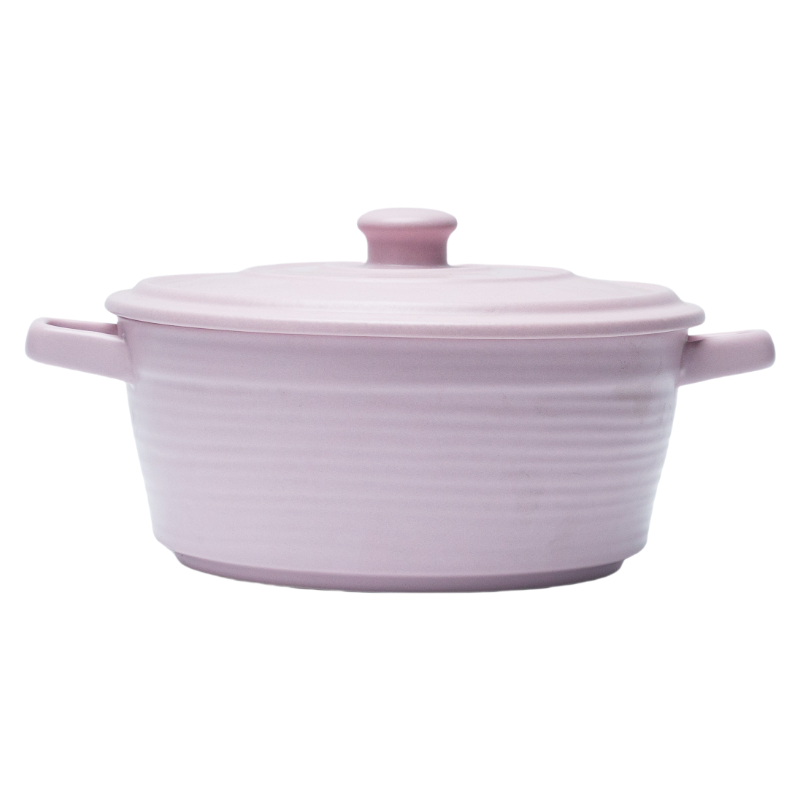
Explore products featured in this guide:



Have questions? See our Sizes & Finishes FAQ and Ordering & Certifications FAQ.
Need a custom quote? Send an inquiry or browse our full product catalog.