The Buyer's Order Dossier: Keeping the Records That Make Your Next Order Faster and Safer
The Problem: The Same Information, Paid For Twice
Every bulk ceramic order produces a trail of documents: the inquiry and quote, the approved sample photos, the production confirmation, the packing list, the inspection report, sometimes a claim or credit note. A buyer who keeps those documents scattered across email threads pays for them twice — the next order re-runs questions that were already answered, and a dispute that should be settled with a dated record becomes a battle over who said what. The fix is unglamorous but powerful: one dossier per supplier, filed as the order moves, that turns every previous order into reusable reference. This guide explains what belongs in the dossier and how it makes reorders faster and safer.
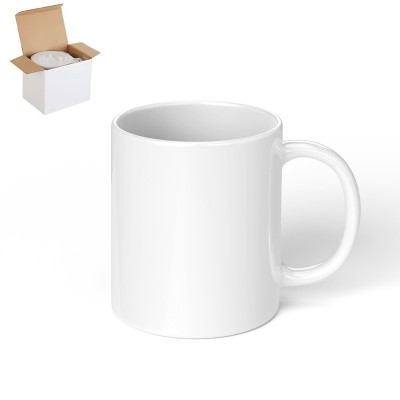
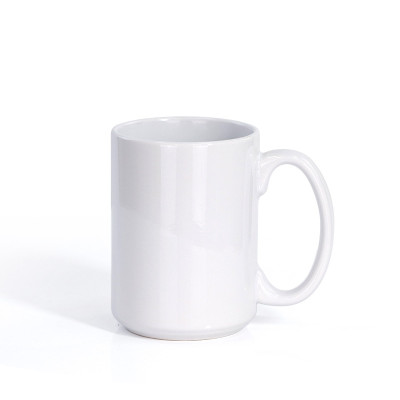
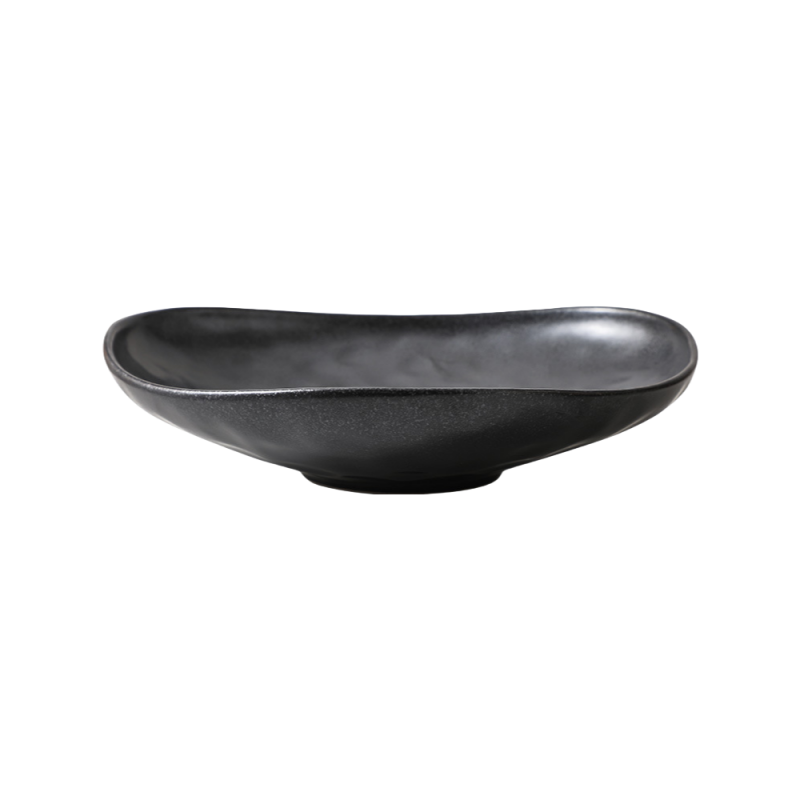
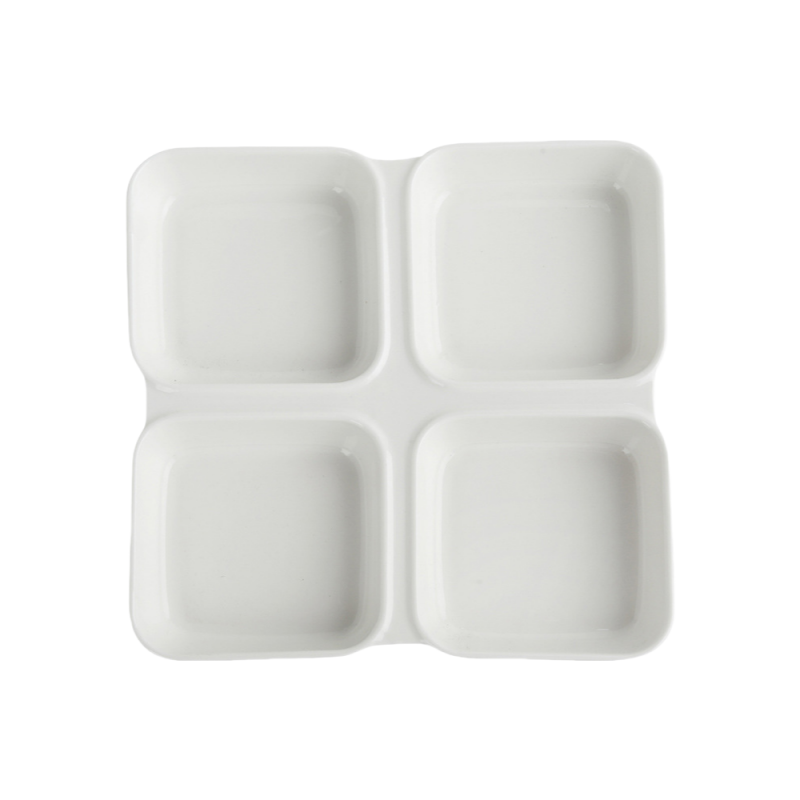
Products in this guide: Custom Ceramic Dinnerware Salad Plate · 8.5\" White Ceramic 4-Section Dessert Plate
Where This Fits in the Sourcing Chain
The release gates and inspection steps of a single order produce the documents this dossier files. The release-gate guide explains the checkpoints before the bulk run. Where compliance certificates need a special structure across a chain's locations, that has its own discipline. The chain compliance guide explains how certificate files work across locations. The dossier is the buyer-side home for both — the place every order record lives so the next one starts from knowledge, not from scratch. See the full ceramic sourcing process map.
What Belongs in the Dossier
Build the dossier per supplier (or per factory), with a folder or section per order inside it. File as the order moves, not at year-end:
- Commercial records. The inquiry, the final quote, the order confirmation, any price revision and the payment records. These answer "what did we agree and pay" for every future negotiation.
- Specification records. The confirmed specification sheet, artwork files with versions, the master sample number and photos. This is the buyer-side copy of the spec freeze.
- Approval records. Pre-production sample approvals and the dates they were given. Approval history explains how the current standard came to be.
- Production and shipping records. Production confirmations, inspection reports, the packing list and the bill of lading data. These answer "what actually shipped and how it was packed".
- Post-delivery records. Receiving check results, any claims, credit notes and the resolution. Claim history is uncomfortable to file but invaluable — it shows patterns a supplier is addressing or repeating.
Why the Dossier Speeds Up Reorders
A reorder is a chain of questions: Which mug body did we use? Which artwork version? What carton mark? What tolerance did we accept on the glaze? A buyer with a dossier answers each from a dated document in minutes; a buyer without one asks the supplier, waits for a reply, or guesses. The difference compounds — every answered question is one fewer email in the next order, and the supplier sees a buyer who knows their own history, which changes how seriously ambiguous requests are taken. The dossier also turns institutional memory into something that survives staff changes on either side.
How the Dossier Defends You in a Dispute
When a delivery arrives damaged or off-spec, the question is always the same: what was agreed, and what evidence exists? A dated inspection report shows whether the defect was present before shipment; a dated approval shows what the buyer accepted; a packing list shows how the goods were packed for the journey. None of this wins every argument — but a buyer who produces a clean dated record of the order, and one who produces a folder of vague emails, are not negotiating from the same position. The dossier is cheap insurance that only pays when you need it.
Common Mistakes Buyers Make with Records
- Keeping documents only in the supplier's portal or in email search, so the record exists but takes an hour to find.
- Filing by date instead of by supplier and order, so related documents are scattered across folders.
- Saving the quote but not the approval that changed it, losing the history of how the final spec was reached.
- Treating claims as closed cases to forget, instead of the most valuable pattern data the dossier holds.
How Storiware Supports the Buyer's Dossier
Storiware issues each order with a consistent document set — order confirmation with full specifications, pre-production sample confirmation where required, inspection reports before shipment and packing data with the shipment — so the buyer's dossier fills itself as the order moves. The factory also keeps its own order records per SKU, which means when you reorder, the reference documents on both sides come from the same confirmed history. Ask for the standard documents by name in your order and the dossier builds itself in the normal course of business.
Buyer Checklist for a Working Dossier
- One dossier per supplier, with a folder per order
- Commercial, specification, approval, shipping and post-delivery sections
- Master sample numbers and artwork versions recorded
- Inspection and packing documents filed as they arrive
- Claims and resolutions kept with the order, not discarded
- Dossier reviewed before each reorder is placed
A dossier is not paperwork for its own sake — it is the difference between reordering from knowledge and reordering from memory, and the difference is visible in every quote, every approval and every dispute.
Related Products
Explore products featured in this guide:
Have questions? See our Sizes & Finishes FAQ and Ordering & Certifications FAQ.
Need a custom quote? Send an inquiry or browse our full product catalog.