




Sourcing Ceramics for Spain: HORECA Volume, Regional Retail and the Paper Trail
A buyer in Valencia and a buyer in Rotterdam can order the same stoneware dinner set from the same factory and still need different files. The body, the glaze and the carton are identical. Around them sits a different vocabulary, a different label and a different test of what the ware survives.
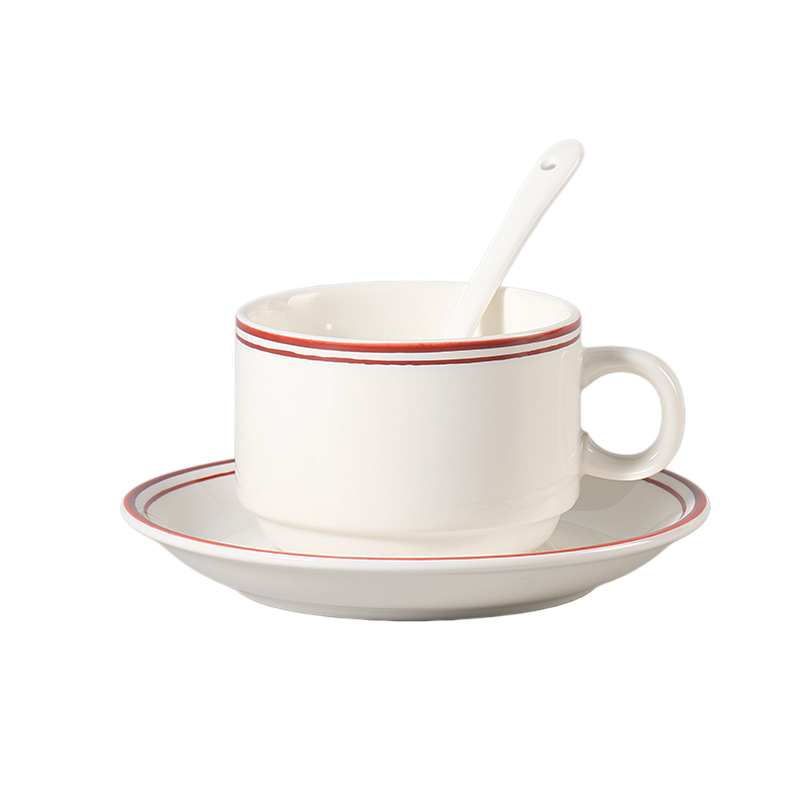
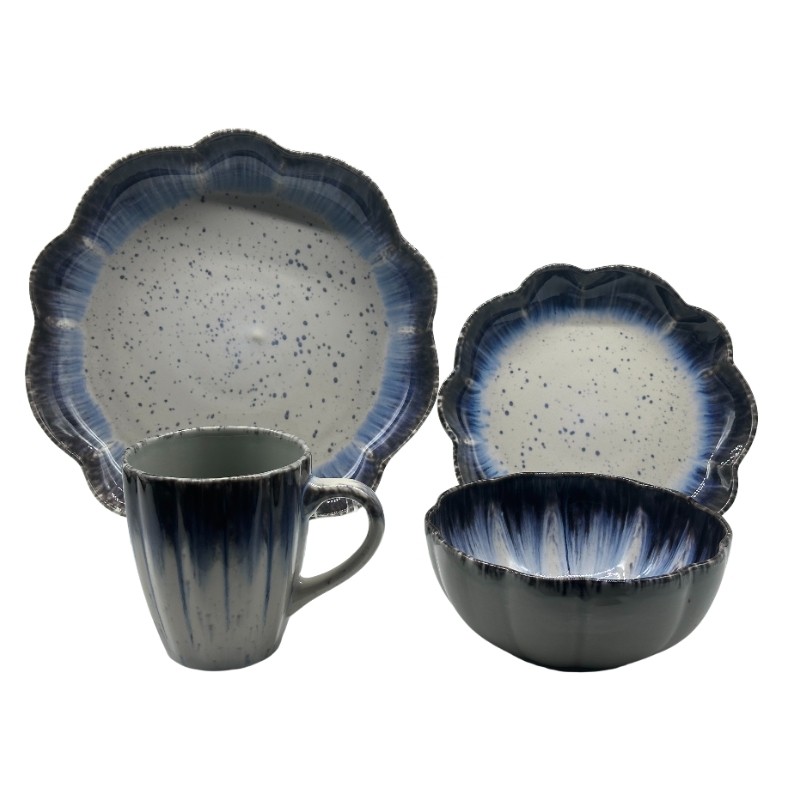
Products in this guide: Custom Coffee Cup and Saucer · 16-Piece Stoneware Dinnerware Set
Spain deserves its own file rather than a paragraph inside a European one, and the reason is not regulatory. The country makes ceramic. Castellon, north of Valencia, is Europe's largest ceramic cluster, and while its fame rests on tiles, the region also carries tableware capacity and a trade that knows good ware. An overseas supplier here competes less with ignorance than with a domestic option on shape, decoration, colour and volume.
Two doors lead in. HORECA buys against a service season and replaces on breakage. Retail buys against a calendar and a label. One specification rarely serves both, because each side complains about a different failure.
A Market That Already Makes Ceramic
A domestic industry means a higher baseline of knowledge and a shorter list of acceptable excuses. A buyer who has bought from Castellon asks about body density before decoration, expects a diameter tolerance to be stated, and knows that a reactive glaze cannot be matched piece to piece.
Plain white volume lines are where local supply is strongest. What an overseas factory wins on is the rest: shapes the local mould bank lacks, decors below the local minimum, colour tied to a brand, capacities outside the standard ladder. A positioning decision before a pricing one.
The Three Words That Decide the Body
Spanish tableware vocabulary does not map one to one onto English, and a quotation written with the wrong word is a quotation for a different product.
Loza is the general word for tableware and, by context, for earthenware.
Gres is stoneware: denser, fired higher, and the body most Spanish casual dining has moved to because it survives a commercial dishwasher and a busy pass.
Porcelana is porcelain, including the bone china a hotel uses when the table has to look white and thin. In trade use it covers anything white and vitrified, so it needs an absorption figure beside it.
Absorption is why it matters: it drives staining, crazing and how a rim behaves after a thousand cycles.
Plates Are Named by Function, Not by Course
English specs name plates by course: dinner, salad, side, bread. Spanish ones name them by use, and the lists do not line up.
- Plato llano - the flat plate, workhorse of the main course.
- Plato hondo - the deep plate, for soup and stews.
- Plato de postre - the dessert plate, the piece that quietly sets the diameter ladder.
- Plato de picoteo - the small plate for shared eating, the one that multiplies fastest in tapas service.
The arithmetic follows the service style. A tapas-led operation runs more small and medium plates per cover than a plated-dinner operation, and proportionally fewer mugs. A hotel serving a fixed lunch menu rotates the same two plates all service and cares most about the rim. Getting the mix wrong is a volume error, and it surfaces in the second order.
Two units need writing down: diameters in centimetres, capacities in millilitres, and a comma for the decimal. 0,5 L is half a litre, and a spec written with points invites a misunderstanding.
What Breaks First in a Spanish Service
Three failure paths dominate, and each can be written into the order.
The rim goes first. Chipping starts at the edge, and a reinforced rim is a legitimate line item rather than a sales phrase. Ask for rim thickness and for the impact test the factory actually runs.
The dishwasher does the rest. Commercial machines run hotter, faster and many times a day, with alkaline detergent and rinse aid. Glaze fit and decoration type decide whether the ware looks the same in month twelve.
Water leaves a mark too. In hard-water areas the rinse deposits limescale on anything with texture or a foot ring, and the buyer reads it as a cleaning failure. Agree what a matte surface should look like after a year; the complaint arrives as a photo of a grey ring.
The Paper Trail, in Spanish
The EU framework applies in full; the Spanish part is about who holds what and in which language.
A written declaration of compliance for food-contact ceramic is the document the buyer keeps. It should name the article, the limits it was tested against and the conditions of use. Test reports support it but do not replace it. Care instructions, warnings and the importer identity must be readable in Spanish; Catalan is expected in parts of the retail trade, and a bilingual label costs little. Under the product safety rules in force, an EU-based responsible person must be named on the product or its packaging - for an importer, their own details rather than the factory address.
Duty, Anti-Dumping and the Number at the Port
Ceramic tableware from China entering Spain carries two separate charges, both landing on the importer: customs duty, and - where the measure covers the product scope - anti-dumping duty. They are calculated differently, so a quotation naming one without the other is not a landed cost.
Valencia and Barcelona take most container traffic, and the road leg to Madrid or Andalusia belongs in the plan from the start. The arrival sequence deserves equal attention, since storage and demurrage accrue while documents move. The demurrage and customs delay guide explains how arrival costs stay predictable.
What to Put in the First Order
The clause list is short, and every line removes an argument that would otherwise happen in a language the factory does not read.
- Body named as loza, gres or porcelana, with an absorption figure.
- Plate functions as llano, hondo, postre and picoteo, diameters in centimetres.
- Capacities in millilitres, decimals with a comma.
- Rim thickness, and the impact test the factory runs.
- Glaze finish, and the look expected after extended dishwasher exposure.
- Declaration of compliance, test reports, Spanish care text, importer details.
- The port-to-warehouse leg, and who books it.
None of this is exotic. It is the ordinary discipline of buying at a distance, adjusted for a market that reads the file in a different vocabulary. A supplier who writes it in the buyer's terms is easier to approve than one who writes it in the factory's.
The first container is where that gets decided. Bodies, diameters and finishes can be corrected on a second order, and a sealed reference keeps the second batch identical. A file in the wrong language, with wrong plate names and no declaration of compliance, cannot be corrected. The master sample guide explains how sealed references keep batches identical.
Related Products
Explore products featured in this guide:
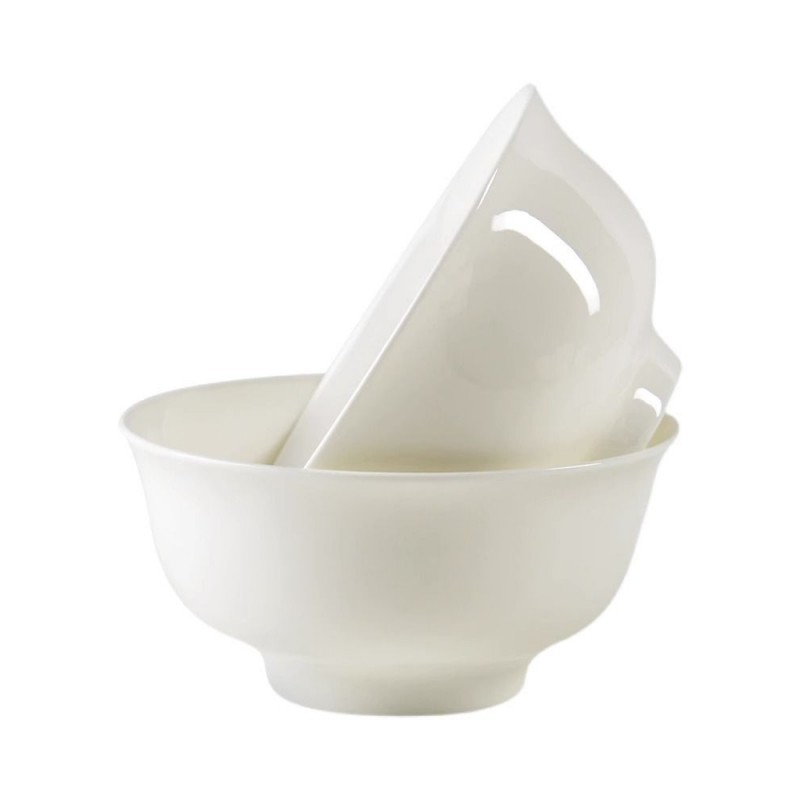
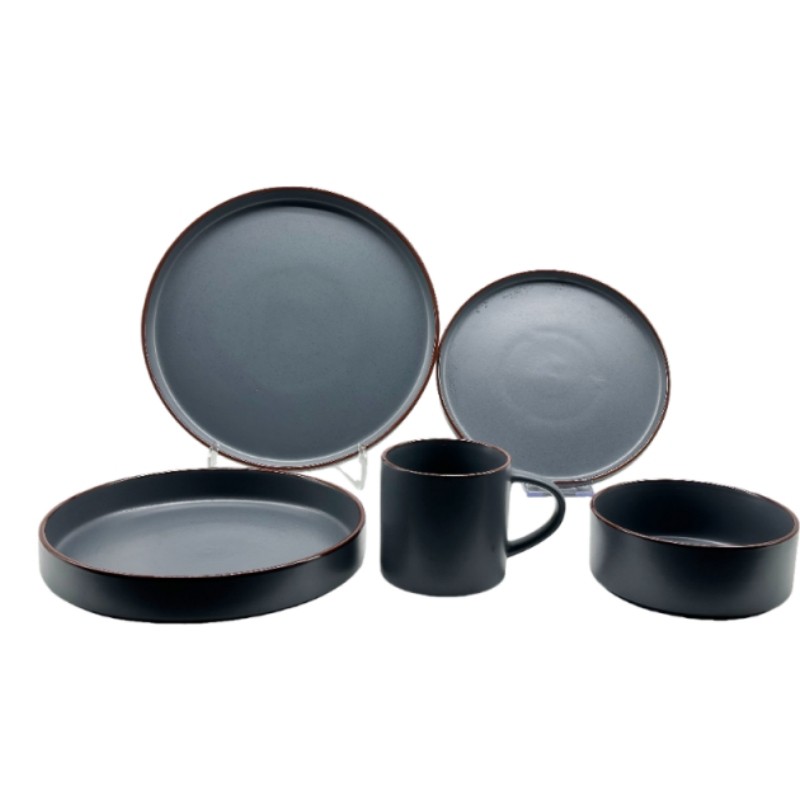
Have questions? See our Sizes & Finishes FAQ and Ordering & Certifications FAQ.
Need a custom quote? Send an inquiry or browse our full product catalog.

