




Sourcing Ceramics for Italy: The Kit That Travels in the Machine Crate
Italy ships espresso machines to the world, and every one leaves with a box of accessories beside it: a portafilter, a tamper, a pitcher, sometimes a set of cups. That box is where a large share of Italian ceramic cup volume is decided, by people who are not thinking about tableware at all.
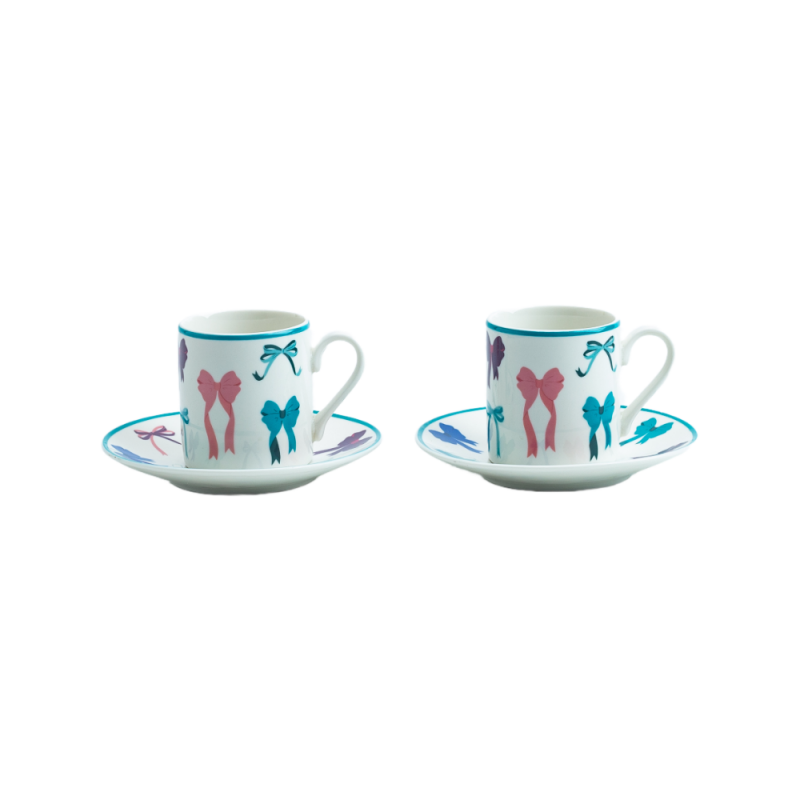
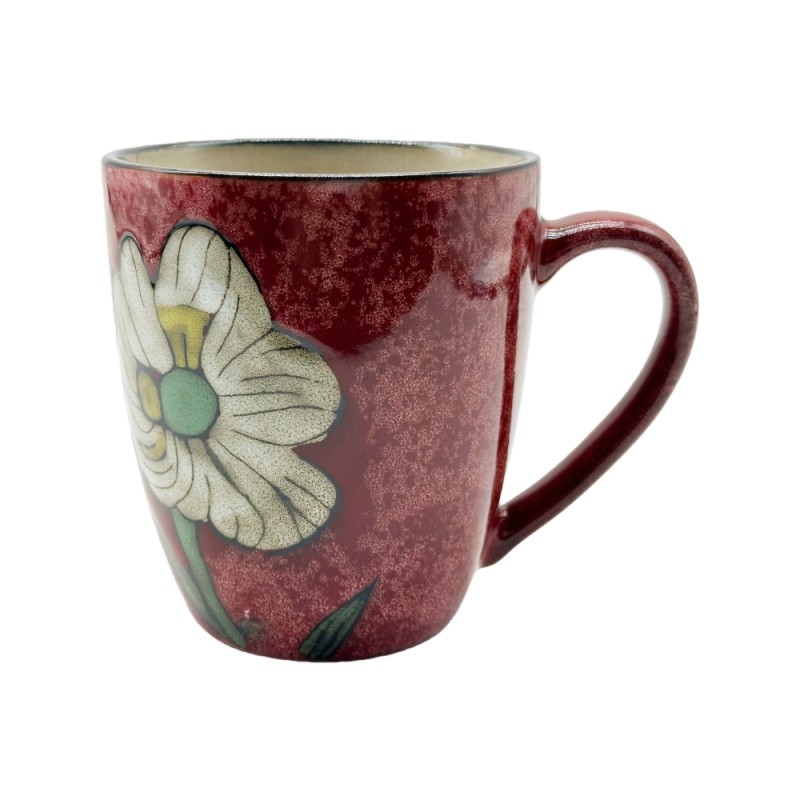
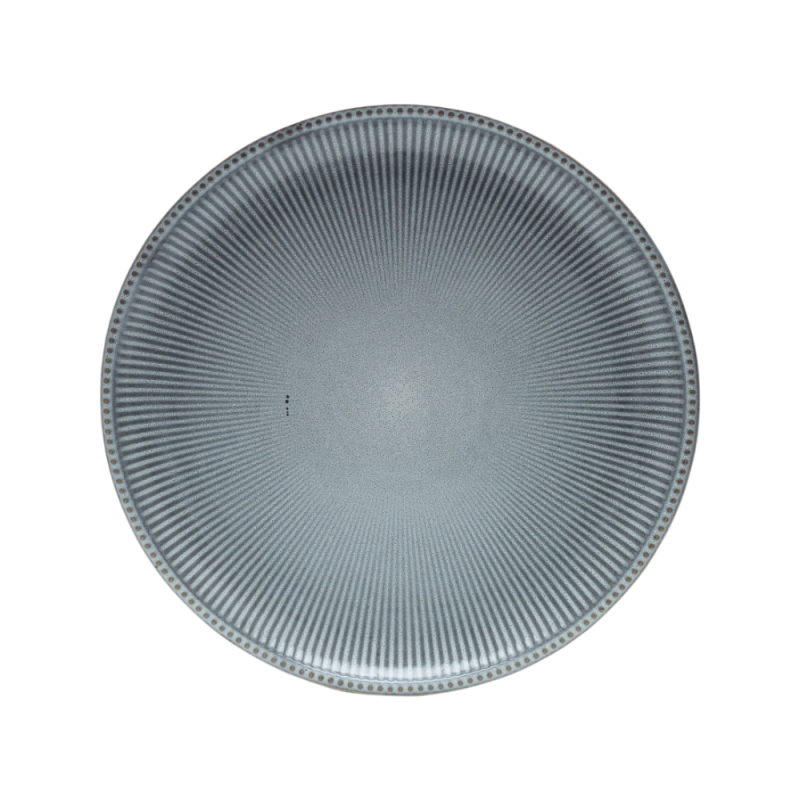
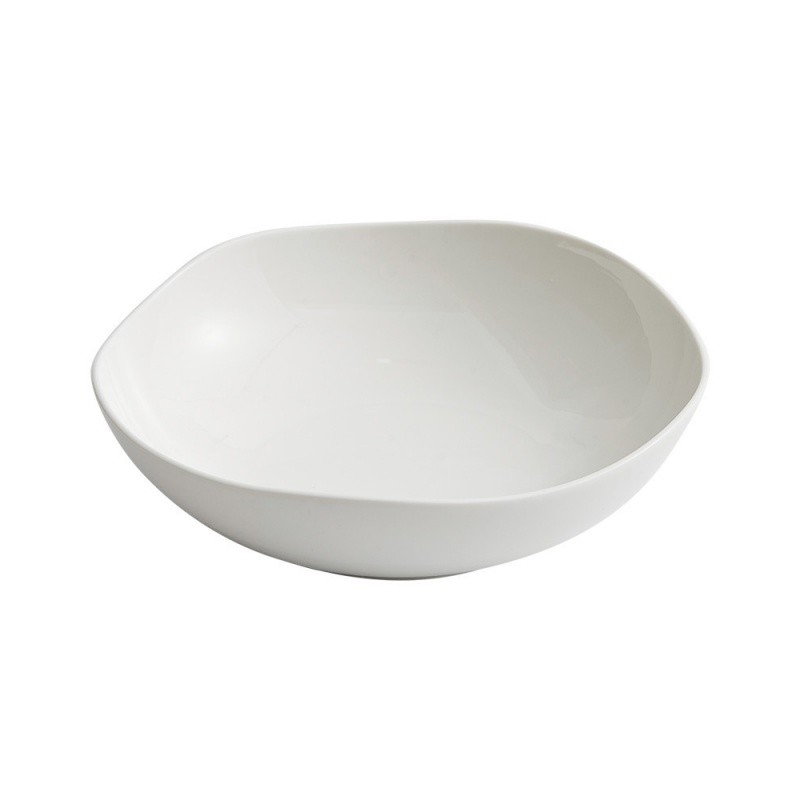
Products in this guide: New Bone China Espresso Cup Set · Reactive Glaze Ceramic Mug 390-400ml
The buyer is rarely the bar. It is the machine builder, the equipment importer who localises the kit, or the service company that replaces what breaks. That governs who owns the specification, how the minimum is counted, how the goods are packed, and how the paperwork travels with a product sold as machinery rather than as a plate.
The Machine Is the Door
A machine builder sells a durable good with a long service life. The cups in the crate are consumable, and they do two jobs. They let the buyer serve on the day of installation, and they create a repeat order when the first set wears, chips or disappears.
That second job is why the kit exists commercially. A cafe that receives four cups with its machine will need forty more within a season, and it will ask the same supplier. For a ceramic factory the kit is a sample the end user pays for, placed in the hands of the person who reorders. Nobody opens with a shape; the conversation opens with the machine, its cavity and the clearance under the group head.
Three Buyers Behind One Kit
The machine builder owns the engineering file. His concern is fit, brand consistency, and whether the kit survives a crate handled like machinery. He asks for drawings and a drop test before he asks for a colour.
The equipment importer owns the local version. He wants the same box with his own leaflet and barcode, at a quantity matching the machines on order. His question is restocking: can the kit be repeated mid-season without reopening the specification.
The service company owns the tail. It replaces single pieces years later and needs the exact article, not a lookalike. If the cup is discontinued, the kit becomes inconsistent across a fleet and the complaint lands on the machine brand.
What the Machine Fixes in the Specification
The machine settles six dimensions before a designer opens a catalogue.
- Height including the saucer, against the clearance below the spout. Too tall and it cannot be placed; too low and the stream lands at an angle.
- Foot diameter against the warming tray grid. Cups that bridge the grid tip when the machine is wiped; cups that fall through it cannot be pre-warmed.
- Saucer diameter against the drip tray. A saucer wider than the tray leaves the cup half supported on a surface that flexes.
- Handle clearance for the operator between the group head and the cup.
- Capacity for the drink actually served. An Italian espresso is a short drink in a tazzina of roughly 60 to 80 ml; a cappuccino needs 150 to 190 ml, and one kit often carries both.
- Stack height inside the crate cavity, usually the hardest limit, because that cavity was designed for a pitcher and a manual.
With those six written down, shape, wall and glaze have somewhere to live. Without them, a good cup arrives and does not fit.
Four Pieces, Four Minimums
Our minimum is 5,000 pieces per item or per decoration, and a kit is where that number stops being abstract.
One espresso cup, one saucer, one cappuccino cup and a larger saucer is four items. Four items means four minimums, whatever the machine volume looks like, and the arithmetic has to be shown before anyone gets enthusiastic. If the body carries a printed logo, each decoration adds its own minimum.
Three ways to make it work: reduce the decorations and let one colourway serve the kit; let the saucer carry the branding and keep the cup plain; use one cup shape across two capacities so body, foot and handle are shared. None of these lowers the minimum. They lower the number of minimums the programme carries, which is the only honest way to shrink a four-piece kit.
The Crate Is the Shipping Unit
A kit inside a machine crate is not a carton in a container. It rides with a heavy object, it is opened at destination by an installer with a knife, and it may sit there for months before commissioning.
Three consequences follow. The kit box needs an insert that holds each piece clear of its neighbour, because vibration in a crate is continuous, not episodic. The box has to survive being unpacked and repacked. And the print belongs to the machine brand, so artwork approval sits with the builder, not the ceramic supplier. The packaging guide explains how retail-ready and protective layers are specified together.
The drop test is usually specified at kit box level rather than carton level. A supplier who assumes the standard carton test fails on the first submission.
The Paper That Travels With the Kit
A cup sold as a machine accessory is still a food-contact article, and the file does not get lighter because the buyer is an equipment company.
The declaration of compliance has to describe the article and its decoration, not a family of similar items. Care text has to be readable in the language of the market where the machine is sold, which in Italy means Italian; an export kit may need several languages on one leaflet. The responsible person established in the European Union is the importer placing the kit on the market, and printing the factory address in that space creates a problem discovered at the border. Where the kit includes a non-ceramic part, such as a spoon or a silicone lid, that part carries its own documentation.
What to Send With the First Enquiry
- The machine model and the cavity dimensions available for the kit.
- Clearance under the spout, and the footprint of the warming tray and drip tray.
- Kit content per machine, and the annual number of machines the kit follows.
- The number of decorations, and whether the body or the saucer carries the branding.
- Insert material, drop test level, and whether the kit box is printed.
- The language required on the leaflet, and who owns the barcode.
- The party acting as responsible person in the European Union.
A kit programme is quiet. It produces no dramatic first order and rarely appears in a tender. What it produces is a replacement stream that runs as long as the machine does, and a specification that has to stay identical across every crate. That is the part worth designing for: the second kit, not the first. The master sample guide explains how sealed references keep batches identical.
Related Products
Explore products featured in this guide:
Have questions? See our Sizes & Finishes FAQ and Ordering & Certifications FAQ.
Need a custom quote? Send an inquiry or browse our full product catalog.

