


Sourcing Ceramics for Greece: One Season, Two Water Legs and a Small Cup
A Greek hotel order is dated backwards from an opening day, not forwards from a purchase order. Everything else in the file follows from that one fact: the shipping window, the carton, the way the ware is counted at the receiving end, and even the size of the cup at the centre of the range.
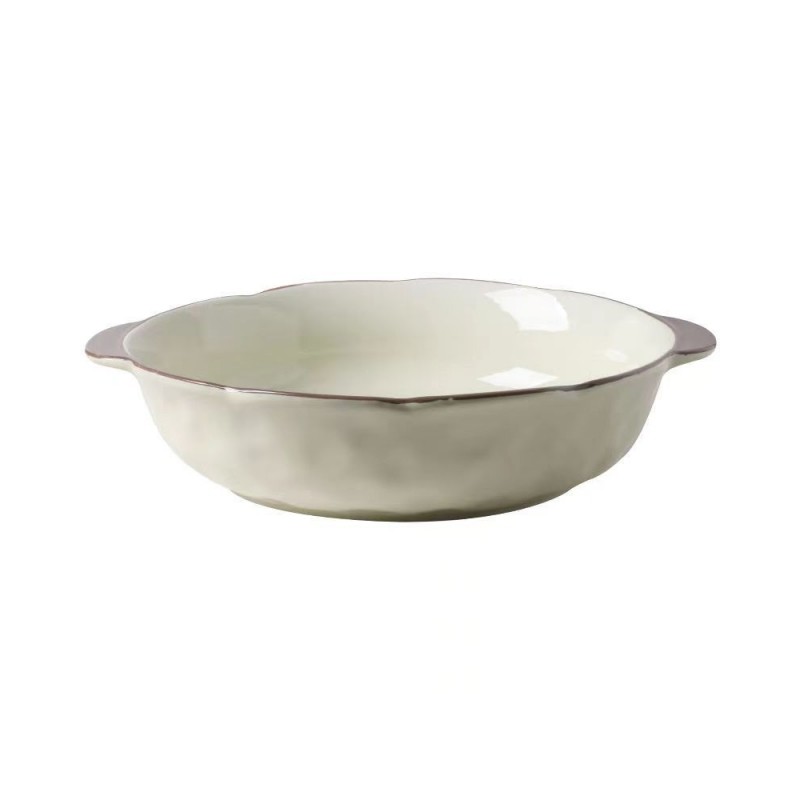
Products in this guide: Espresso Cup and Saucer Set · White Stoneware Salad Plates
Greece is not one market by geography. Volume moves through importers and distributors on the mainland, then across a second stretch of water to islands where the delivery address is a property with a store room, not a warehouse with a loading dock.
That structure rewards a supplier who plans in drops rather than in containers. It punishes one who quotes a season without working out when the ware has to be on the shelf.
One Opening, Not Four Seasons
Coastal hospitality here runs on a summer opening. A seasonal property fixes its opening date long before the weather is discussed, builds the menu around it, and wants the tableware on site early enough to be washed, counted and shelved. A container that lands after the opening is not late in the ordinary sense. It is early for next year, and it occupies someone else's store room until then.
The order window is set by a date the buyer cannot move, so the only variable is how much of the chain can be compressed before it. Working backwards is the whole method: the island leg, the clearance, the sea transit, the production slot, the sample approval. Each one has a fixed cost in weeks, and the sum is what a supplier is really being asked to promise. The replenishment calendar maps the ordering windows for the whole year.
Who Places the Order, and Who Receives It
Two parties, one file. The order usually comes from an importer or distributor with a warehouse near Athens or Thessaloniki; the delivery address is often a hotel, a beach bar or a taverna on an island. The distributor carries the stock risk between drops, and that changes what he wants from a factory: not the sharpest unit cost on a single container, but an item he can reorder in the middle of the season without reopening the specification.
For a hotel group the pattern inverts. The purchase is centralised and the receiving is not. One approval, several addresses, and store rooms that hold a fraction of what a warehouse holds.
The Second Water Leg
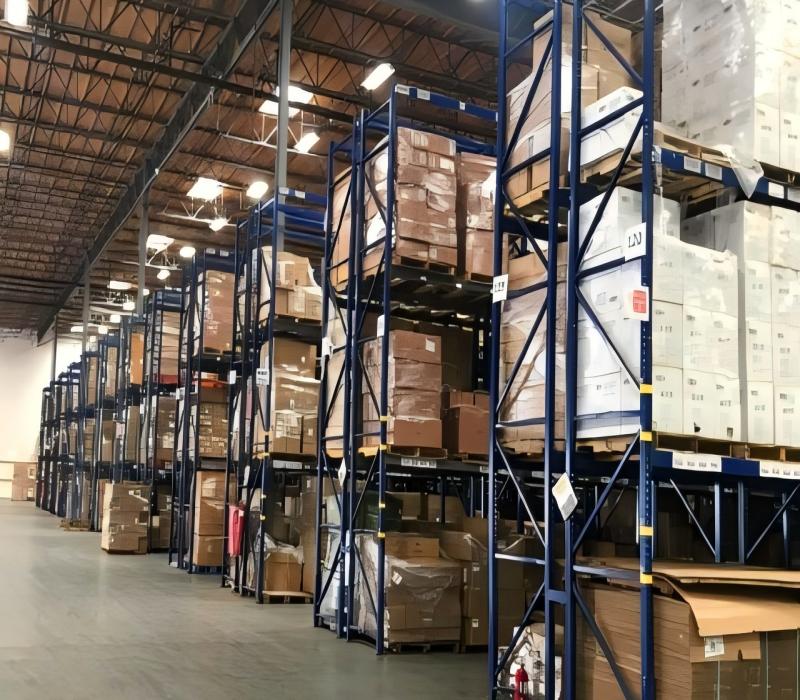
At Piraeus the container is devanned, the pallet is broken down, and from that point the cartons travel as cartons. This is where a specification written for a container journey stops describing the journey the goods actually make.
Three things follow from it.
- Carton compression strength matters more than the pallet pattern, because the pallet does not survive to the island.
- Individual wrapping decides whether a chipped rim arrives as transport loss or as a customer complaint.
- Risk changes hands at every transfer, so the point where the buyer's insurance begins has to be written down rather than assumed.
The Unit Is the Drop
A per-property drop of a few dozen pieces per item meets a minimum of 5,000 pieces per item or per decoration. The arithmetic is not difficult, but it has to be stated before the quotation, because the two sides are counting different things.
The minimum applies once per item for the programme. The distribution across properties happens from the distributor's warehouse, not from the factory. What leaves the factory is one programme; what arrives at the hotel is a fraction of it.
The frequent misunderstanding is a group asking for twelve properties in six decorations and expecting the minimum to apply per property. It does not. Six decorations means six minimums, and a range that looked modest on a menu becomes a substantial commitment on paper. Where the volume is genuinely not there, the honest answer is fewer decorations, with the pattern carried by the packaging instead.
The Small Cup That Sets the Tone
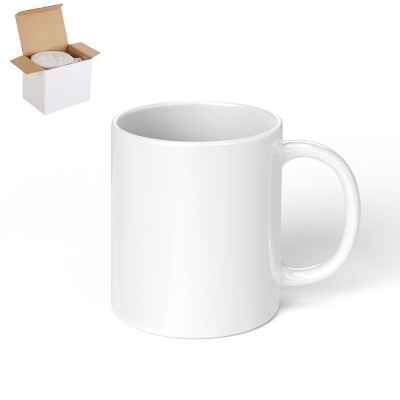
Greek coffee is served small and strong, in a cup of roughly 70 to 90 ml, with a wall heavier than an espresso cup and a saucer shaped to hold it while it is carried through a full room. It is not the same article under another name.
Commercially, that cup sets the shelf. A distributor who stocks it also stocks the saucer that fits it, the water glass beside it and the spoon that rests on the saucer. Behind it sits a plate ladder built for mezze service, where many small plates move per cover.
So when a range arrives for quotation, this is the item to get right first: capacity in millilitres, rim diameter, wall thickness, and whether the saucer well is deep enough that the cup does not slide when the tray tilts.
Greek on the Label, and Who Answers for the File
The EU food-contact framework applies here as it does anywhere in the union; the local part is language and address. Care instructions and warnings have to be readable in Greek, and the responsible person named on the product or its packing has to be established in the EU. For an importer that is the importer, not the factory, and a supplier who prints his own address in that space creates a problem the buyer discovers at the border.
Test reports support the declaration rather than replace it, and both need to describe the article actually shipped, including its decoration.
What to Put in the Order
- The opening date the programme is planned against, and the date the ware must be in the store.
- Every delivery address, with island addresses marked as such.
- The drop size per property, and who consolidates it.
- Carton grade and individual wrapping, stated separately from the pallet pattern.
- The small cup: capacity in millilitres, rim diameter, wall thickness, saucer well depth.
- The number of decorations, so the minimum per decoration is visible before the range is split.
- Greek care text, declaration of compliance, and the importer as responsible person.
None of this is exotic. It is ordinary discipline applied to a market where the calendar is fixed and the last leg is water. A stock programme forgives a late reorder; a season does not forgive a late container. The supplier who plans the second water leg into the quotation is the one whose second season arrives on time, and a sealed reference is what keeps that second season identical to the first. The master sample guide explains how sealed references keep batches identical.
Related Products
Explore products featured in this guide:



Have questions? See our Sizes & Finishes FAQ and Ordering & Certifications FAQ.
Need a custom quote? Send an inquiry or browse our full product catalog.