Plates and Bowls Wholesale: Specifying Tableware After You Have Chosen the Mugs
The Problem: Mugs Come First, Then the Table
Most buyers arrive at a ceramic factory through one item — usually a mug — and then discover they need the rest of the table. The mistake is to treat the second category as a repeat of the first. A mug is a closed shape judged alone; a tableware set is judged as a group, on how plates and bowls sit together, stack in a cupboard and wash in a rack. Three specifications decide whether the programme works.
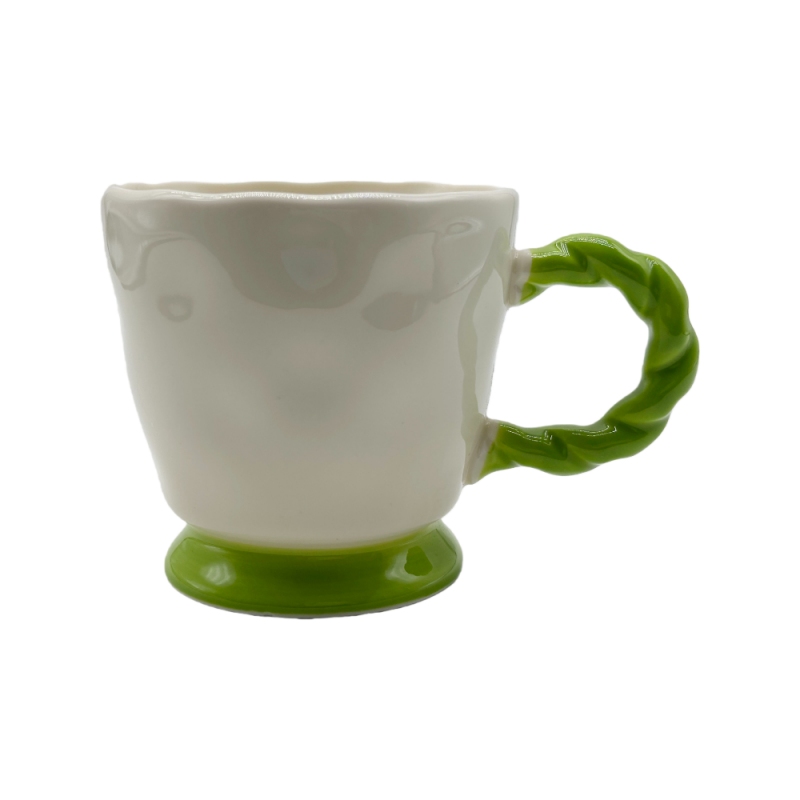
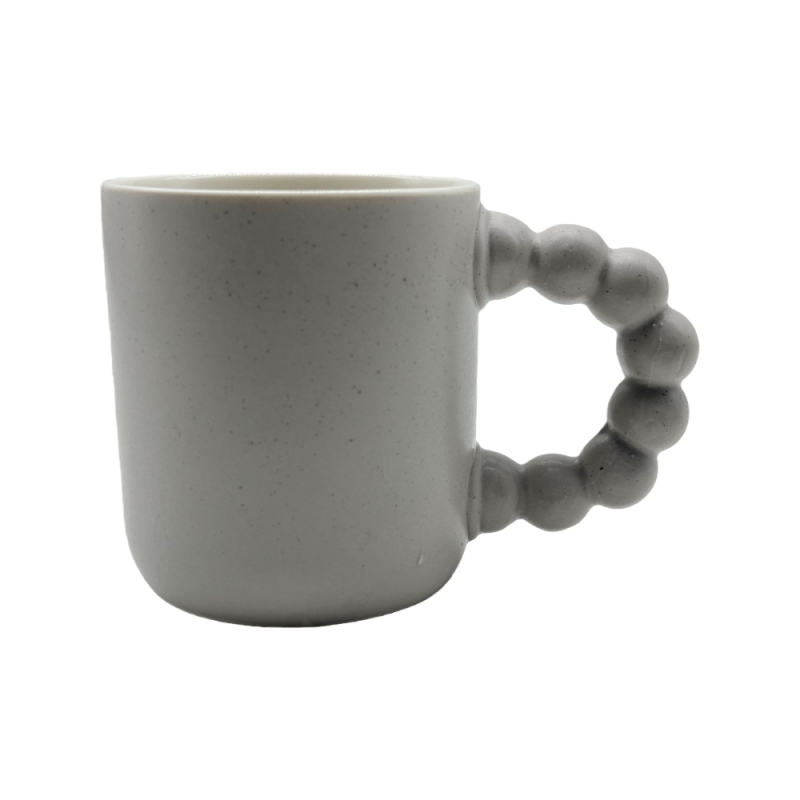
Products in this guide: Nordic Ceramic Chopstick Holder · Custom Design Ceramic Mug with Twisted Handle
Specifying the Plate
Diameter, in a matched progression. Restaurant and retail sets work because the sizes are related: a main course plate, a salad plate and a side or dessert plate in a progression a kitchen can plate consistently. Buying three diameters from three sources produces the mismatch that gets noticed on the table.
Depth, which decides function. A flat plate and a coupe or rimmed plate hold different volumes of sauce; a coupe is more forgiving in service but harder to stack. The brief should state whether the plate is flat, coupe or rimmed, and the depth in millimetres, because this is what changes plating behaviour and shelf height.
Edge profile, for the two things that break. A narrow edge chips in the rack and against the stack; a rolled edge survives handling but costs more to form. This is the same rim logic as a mug — and in a tableware programme it matters more, because plates are stacked under their own weight.
Specifying the Bowl
Capacity plus depth, per role. A soup bowl, a salad bowl and a rice bowl are different vessels at similar diameters. State capacity and depth, not just the diameter, and state the role: a bowl that is too deep for a dessert service will be used for something else, or not at all.
Stability when filled and stacked. A wide shallow bowl is stable on the table and occupies a shelf; a deep bowl stacks better and tips more easily. Where the bowl goes into a trolley or a rack, nesting height is the specification that decides how many fit — and it is tested, not assumed.
The base, because it decides wear. A bowl with a small footring is easier to stack and less stable; a full base wears faster and marks. Pick one deliberately and write it down.
The Programme: One Body, One Glaze Family
The reason to buy plates, bowls and mugs from one factory rather than three is not price. It is consistency: one body, one glaze family and one white point, so that a plate and a mug on the same table read as one set, and so that a replacement delivered eighteen months later still matches. That requires the factory to hold a retained standard sample and to confirm in writing that the body and glaze stay available for the programme life.
What to Send for a Tableware Quote
A quotation for tableware needs five things: the items and their diameters or capacities, the quantity per item and how it splits by design, the glaze or colour direction with a reference, the destination port and Incoterm, and the timeline you are buying for. With those, a factory can quote per item, state the MOQ structure, and tell you how many pieces fit a container — which is the number that decides the real landed cost per piece.
If you want to see how the pieces are grouped across the range, our <a href="https://www.storiwareceramicmugs.com/products2147418/Custom-Ceramic-Plates.htm">custom ceramic plates</a> and <a href="https://www.storiwareceramicmugs.com/products2147419/Custom-Ceramic-Bowls.htm">custom ceramic bowls</a> collections show the diameters and capacities we produce, and our <a href="https://www.storiwareceramicmugs.com/oid1756307/Custom-Ceramic-Mugs-Bulk-Order-Factory-Direct-from-China.htm">bulk order programme</a> sets out how MOQ, decoration and sampling work. When you are ready, <a href="/contact-us.htm">send us your item list</a> and we will return a per-item quotation with the container maths.
The spec freeze guide explains how artwork and packing files are locked between orders.
What to Put in the Order
- Diameter progression across the set, with each item named.
- Forms and depths (flat, coupe, rimmed) in millimetres.
- Capacity and depth for each bowl, with its service role.
- Nesting height and stack limit, tested.
- One body and glaze family, with a retained standard sample.
- Quantity per item, and the split by design.
The packaging guide explains how retail-ready and protective layers are specified together.
The Habit That Ties It Together
The habit is to specify the table, not the piece — a matched progression of sizes, one glaze family, and a written confirmation that the same body will still exist when you reorder.
Related Products
Explore products featured in this guide:

Have questions? See our Sizes & Finishes FAQ and Ordering & Certifications FAQ.
Need a custom quote? Send an inquiry or browse our full product catalog.