
How Many Sample Rounds: Deciding When a Design Is Finished
Nobody ever regrets one more sample round at the time. The regret arrives three weeks later, when the production window has closed and the design is still not approved.
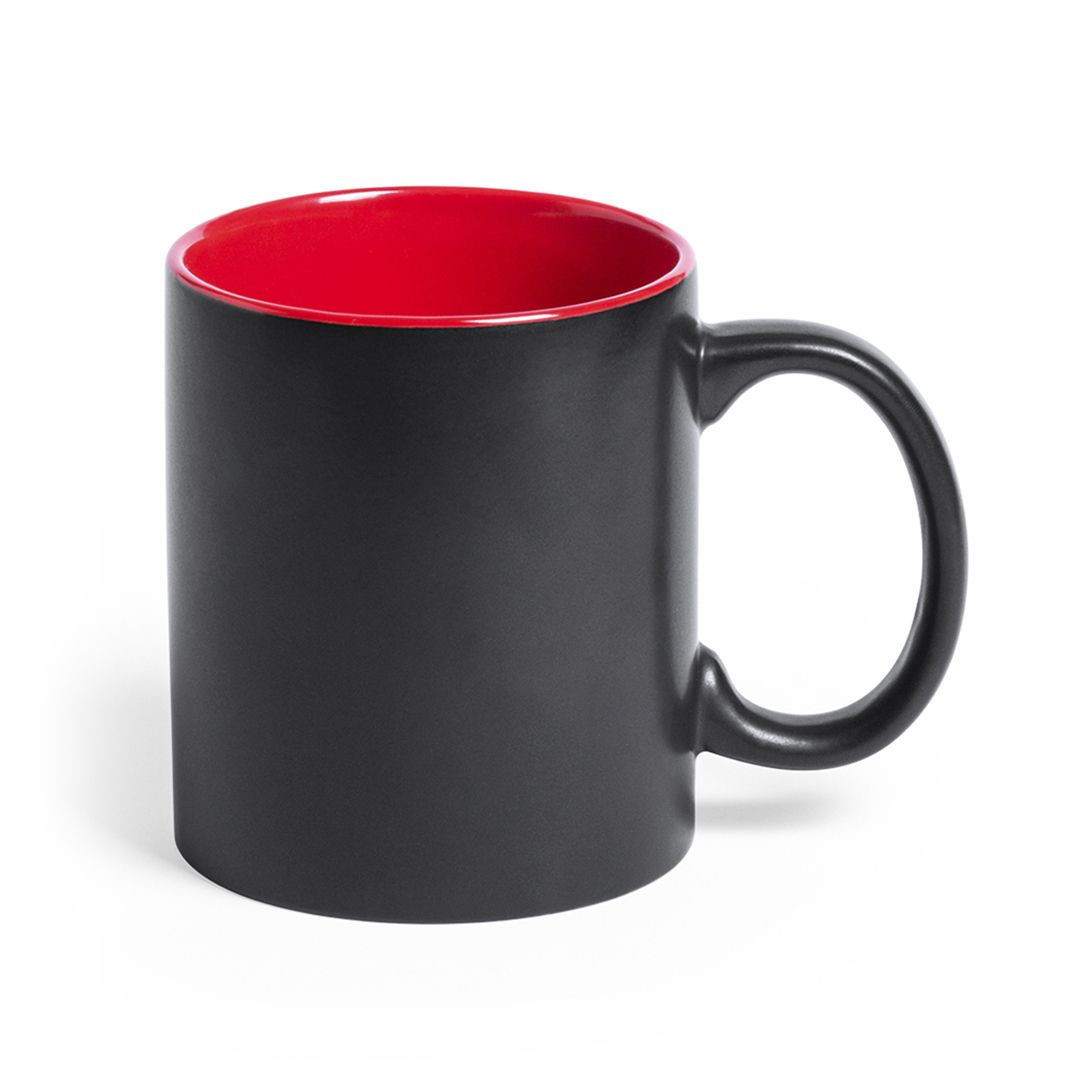
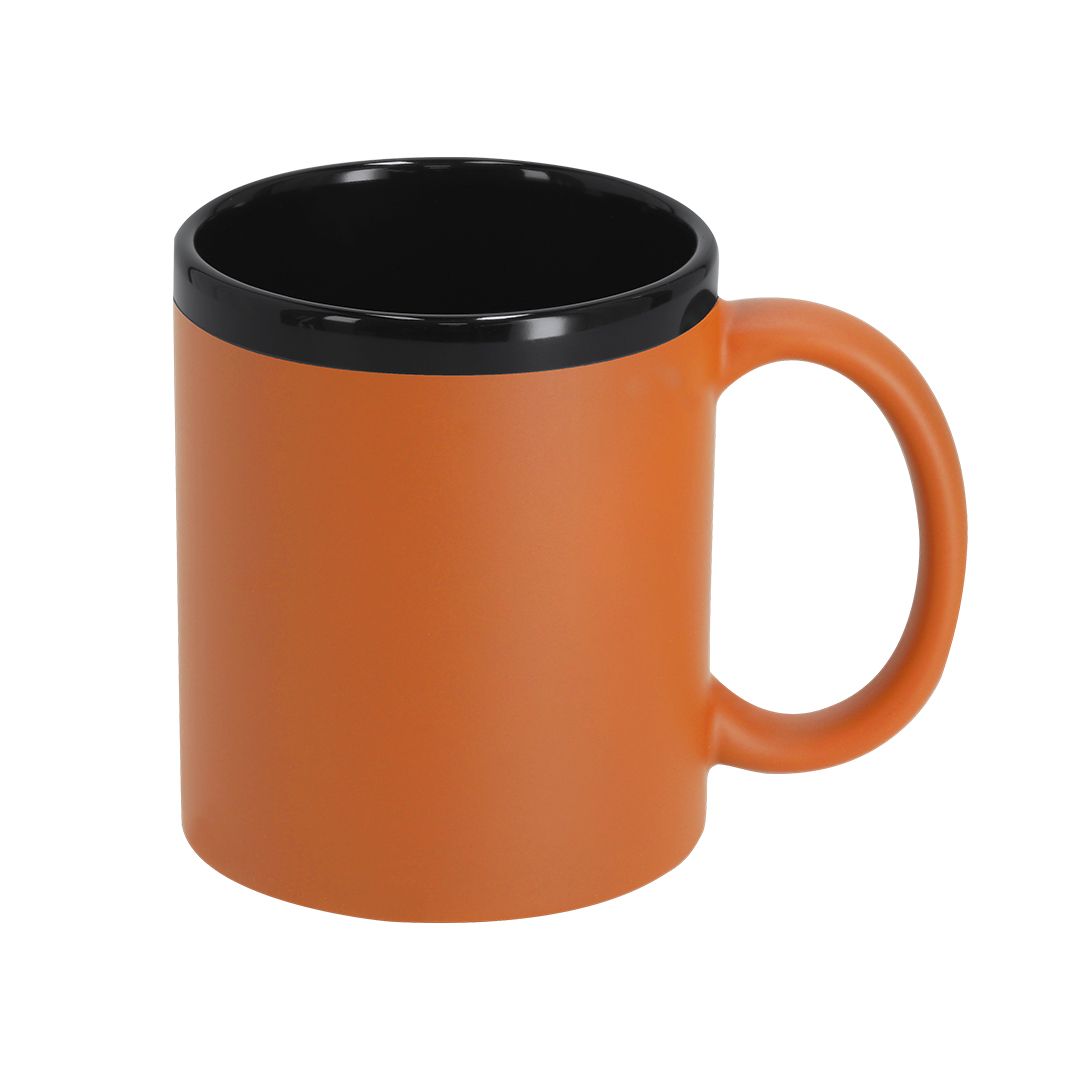
Products in this guide: Matte Black Ceramic Mug Blank 11oz · Two Tone Ceramic Mug Blank 11oz
Sampling is usually discussed as a matter of quantity: how many rounds will this take. That framing guarantees drift, because a number with no content behind it can always be extended by one. The more useful framing is to decide what each round exists to answer, and who has the authority to declare that answer satisfactory.
A round is a question, not a version
A round that produces a modified object without settling anything is not progress; it is a version. The distinction matters commercially, because versions consume calendar time and tooling budget while questions, once answered, stop costing anything.
Four questions usually need answering, and they cannot all be answered by the same object.
Does the form read correctly? Profile, proportion, handle stance, the way light falls on the surface. This is a judgement about the design, and it is the round that most benefits from a physical piece rather than a render.
Does it fit the intended use? Capacity at a stated fill level, balance in the hand, whether a saucer accommodates the base, whether it stacks with what the customer already owns.
Can it be produced at the target cost? A shape that requires excessive hand work, a decoration that needs an extra firing, a tolerance the process cannot hold. This question is answered by the factory, not by the buyer, and it often forces a design decision rather than a technical one.
Can it be packed and shipped without damage? Fitment, carton count, stack height. This tends to be deferred, and it is the one that most often reopens an approved design.
A well-run program assigns one question per round. A poorly run program asks all four of every round, which means no round can be closed.
The natural order
There is a sequence that works, mostly because it delays expensive commitments.
First round: form. Unpainted or simply glazed, at nominal dimensions. Cheap, fast, and disposable. Its only job is to let the buyer hold the shape.
Second round: fit and finish. Correct capacity, correct glaze, decoration applied by the intended method, even if the artwork is provisional. This is where a design usually reveals that it needs a change nobody predicted.
Third round: production conditions. Made on the line, with the production tooling, in the production glaze batch, packed in the intended fitment. This round is not about aesthetics; it is about proving the process.
Buyers who compress these into a single round get a piece that answers nothing conclusively: the shape is judged while the glaze is provisional, and the glaze is judged while the shape is still moving.
Why rounds multiply
Four mechanisms account for most of the extra cycles.
Vague feedback. A comment like make it feel more premium cannot be acted on, so it produces a change, which produces a new objection. Feedback that names a dimension, a finish or a reference object terminates.
Multiple reviewers. Six people review a sample; each has one note; nobody has authority. The supplier implements all six, and the object becomes something no one asked for. The remedy is one signatory, collecting input rather than forwarding it.
Sampling used as decision avoidance. A buyer who cannot decide internally asks for another round, because a pending sample is a legitimate reason to postpone a decision. The supplier absorbs the cost and the schedule absorbs the damage.
No stated limit. If the supplier never says how many rounds the quoted price includes, every round looks free until the invoice arrives, at which point the cost is recovered somewhere less visible.
Deciding the rules before the first round
Three things belong in writing at the start, and they cost nothing to agree.
- The round plan: how many rounds, what each one proves, and the date each is expected.
- The signatory: one named person whose approval closes a round, and who is responsible for gathering internal opinion before responding.
- The criterion: what specifically would make this round acceptable, expressed before the sample arrives rather than after.
The third is the one that changes behaviour. A buyer who writes the acceptance criterion in advance discovers, while writing, which parts of the design are actually undecided.
What stops the loop
- Every comment names something measurable, or a reference the supplier already has.
- Each round has a single question attached to it, and the answer is recorded.
- A round that fails is closed with a written reason, not a new instruction.
- The reference sample that closes the process is sealed, dated and photographed, so later rounds cannot quietly reopen it.
- The price quotation states how many rounds are included, and what an additional one costs.
The last item is not about money. It is about making the marginal round visible, because a round that appears free is requested casually.
The master sample guide explains how sealed references keep batches identical.
The cost of one round too many
A sample round is not only a courier fee. It is a kiln slot, a designer's attention, a packing engineer's time, and above all a position in a production calendar that does not wait.
The programmes that ship on time are not the ones that approved fastest. They are the ones that decided which decisions were theirs to make and made them at the point where making them was still cheap. A design is finished when the buyer can describe, without the sample in hand, exactly what the next piece will be.
Related Products
Explore products featured in this guide:
Have questions? See our Sizes & Finishes FAQ and Ordering & Certifications FAQ.
Need a custom quote? Send an inquiry or browse our full product catalog.

