Glaze and Firing: How a Ceramic Order Actually Gets Made
The Problem: Appearance Is an Output, Not an Input
A buyer looks at a ceramic mug and judges what they can see: colour, surface, weight, the way light sits on the glaze. That judgment is correct and useful — it is also entirely downstream. Whatever is visible in the sample was decided by decisions made much earlier, in a sequence that most buyers never see: which clay body was used, how the piece was formed, how hot and how long it was fired, and how the glaze was formulated to behave at that temperature. This matters commercially because specification conversations often focus on the visible layer — the colour, the decal, the shape — while the properties that generate complaints later (chipping, crazing, colour drift between batches, unexpected dimensional variation) are set in the invisible layers. Understanding the process is not about becoming a potter. It is about knowing which questions have answers, and which worries are actually process issues rather than quality failures.
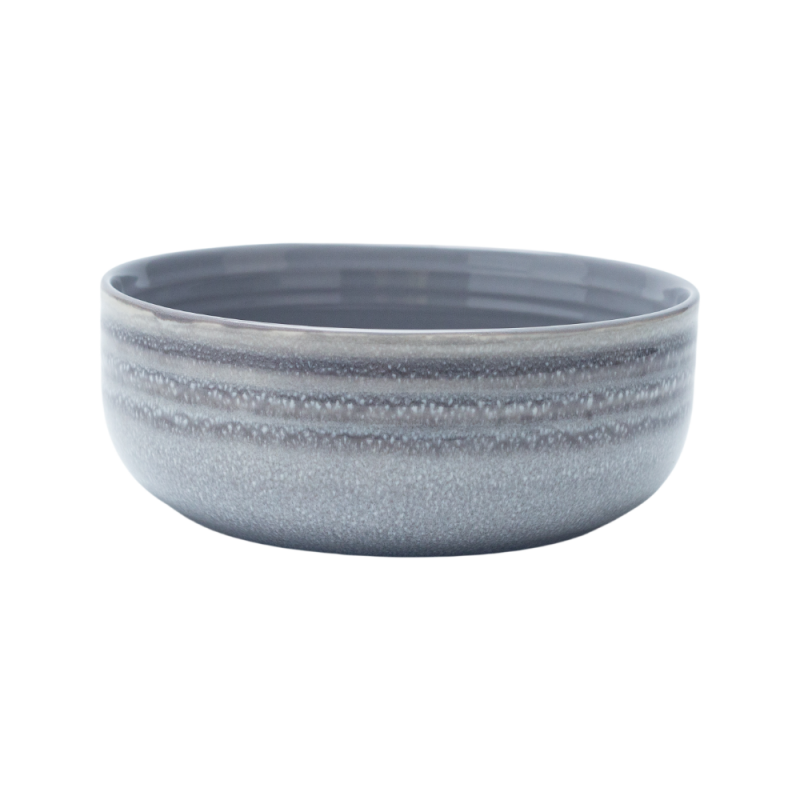
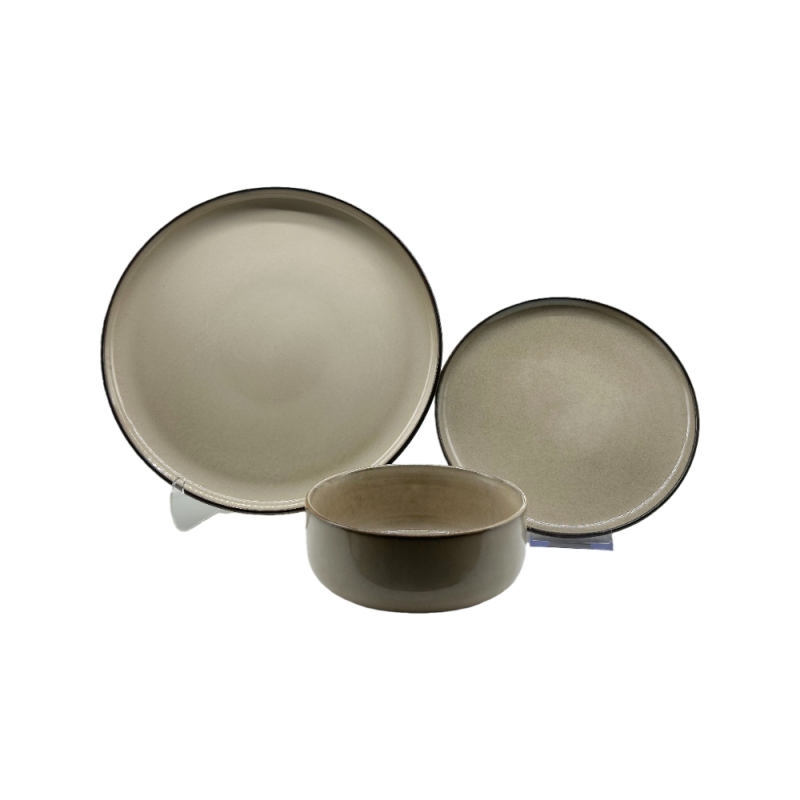
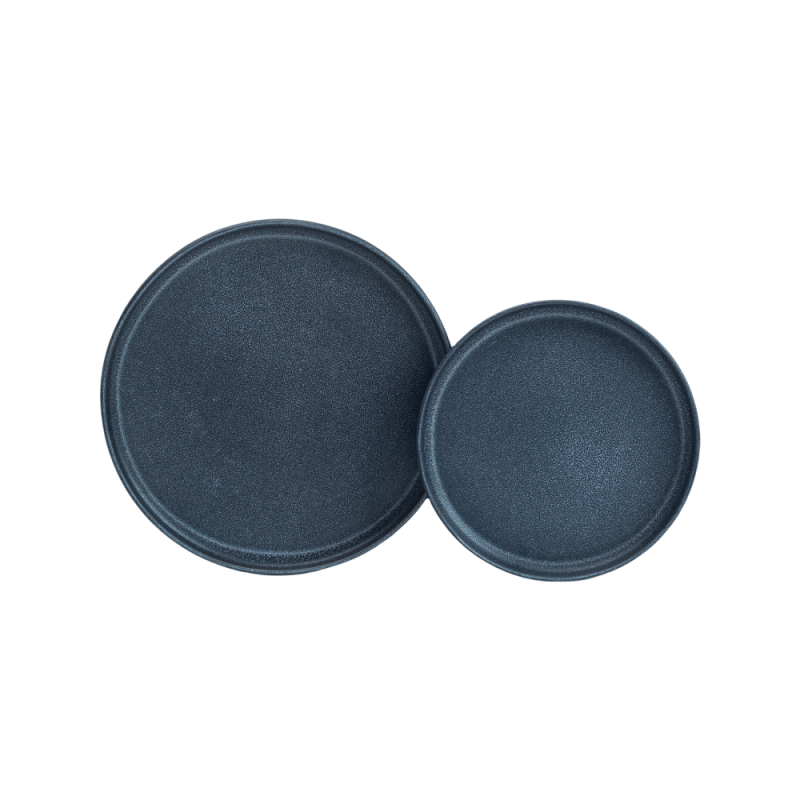
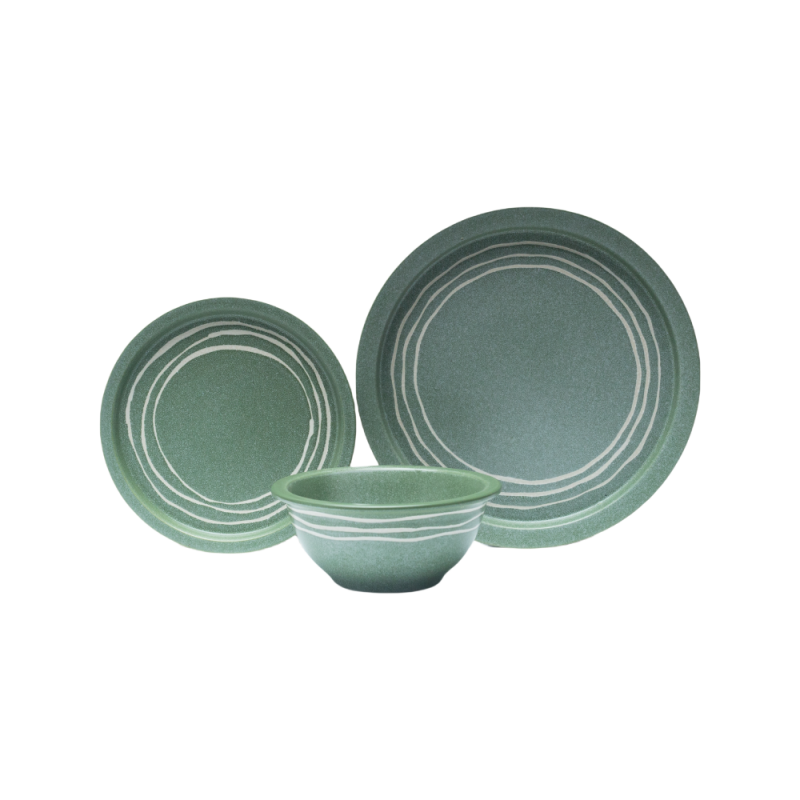
Products in this guide: Reactive Glaze Stoneware Bowl · 3-Piece Reactive Glaze Stoneware Dinner Set – Modern Ceramic Tableware for Everyday Dining
What Actually Happens Between Clay and Carton
The sequence is shorter than it looks and older than the industry. A body is prepared — clay blended with minerals to set workability, colour and strength after firing. The piece is formed, by casting in a mould, by pressing, or by throwing on a wheel for handmade lines. It is then fired once to become a durable, porous intermediate often called bisque. Glaze is applied, and a second firing melts that glaze into a glass-like surface bonded to the body. Some lines use a single firing, applying glaze to the raw piece, which shortens the cycle but constrains what the glaze and body can do together. Every step changes the object physically: it shrinks, its colour develops, and its final dimensions are decided. Nothing in this list is exotic — but each step contains a decision that a buyer may care about, and most of those decisions are made without them.
Firing Temperature Bands and What They Decide
Ceramics are commonly grouped by the temperature band their body is fired at, and the band is a shortcut for what the finished piece can take. Earthenware typically fires in the lower range and stays relatively porous and lighter, which suits decorative and occasional-use tableware. Stoneware fires higher and comes out denser and tougher, which is why it dominates daily-use and commercial tableware. Porcelain bodies fire higher again and are valued for density, whiteness and translucency where the design wants it. Exact temperatures vary by body, kiln and factory — the honest position is that these are bands, not constants, and the reliable number is the one on the factory's own specification. What the band decides in practice is durability: higher-fired, denser bodies generally resist chipping and thermal shock better, which is exactly the property a hotel or a retailer will ask about. Firing also drives shrinkage — bodies lose a meaningful fraction of their size across the firings, which is why the mould is engineered oversized from the start. Shrinkage is routine, but it is also where dimensional surprises originate, so it is a legitimate question at specification time rather than an awkward one.
Why Two Mugs From the Same Order Can Look Different
A kiln is not an oven with one temperature; it is a chamber with gradients, and the atmosphere inside can be controlled or reactive depending on what the factory is trying to achieve. Glaze thickness varies with application, decals sit slightly differently on curved surfaces, and bodies themselves vary slightly from batch to batch. The result is that "identical" pieces vary — usually imperceptibly, occasionally visibly. Two consequences follow. First, the tolerance conversation is real and should happen before production: how much variation the buyer's shelf accepts, and in which direction. Second, reactive and kiln-varied glazes — finishes that deliberately surprise, where colour pools and breaks across the surface — are a design choice rather than a defect, and they need their own acceptance language. A buyer who specifies "reactive glaze" and then rejects variation has written two contradictory requirements into one specification.
What Buyers Should Specify — and What to Leave Alone
The useful split is between outcomes and process. Outcomes belong in the specification: the intended use and the durability it implies, the food-contact and compliance regime the destination requires, the colour direction and the tolerance around it, the decoration method and its limits, dimensions and their tolerance, and packing. Process belongs to the factory: body chemistry, glaze formulation, firing profile and kiln management. The productive habit is not to dictate process but to ask for the standard in writing — which body, which firing band, which test the factory applies — and then judge whether that standard serves the use case. If a buyer needs more chip resistance than the quoted body delivers, the fix is a different body, not a stricter inspection. That is why this conversation belongs next to the customisation-level discussion, where the trade-offs between cost, tooling and performance are already on the table. The ODM-to-OEM guide explains which customisation level fits your stage.
Where This Fits in the Sourcing Chain
Process understanding sits under the specifications that the rest of the program depends on: the sample that defines the reference, The master sample guide explains how sealed references keep batches identical. the acceptance levels that decide what passes, The AQL baseline guide explains how acceptance levels are set and written down. and the customisation tier that determines who controls the design. The ODM-to-OEM guide explains which customisation level fits your stage. The full chain follows the standard sourcing map. See the full ceramic sourcing process map.
The Habit That Ties It Together
The habit is a one-page process record per program: body, firing band, glaze family, decoration method, and the tolerances agreed around each. It takes a short conversation at the start, and it converts a category that feels like taste into a set of specifications a buyer can actually manage — which is what makes a shelf dependable rather than lucky.
Related Products
Explore products featured in this guide:
Have questions? See our Sizes & Finishes FAQ and Ordering & Certifications FAQ.
Need a custom quote? Send an inquiry or browse our full product catalog.