



Fired to What? The Number on the Kiln Is Not Your Mug Temperature
Two quotations arrive in the same week. Both factories say the mug is fired at 1,200 degrees. One sample comes back with a deep, even glaze; the other reads flat, and its rim shows a faint roughness under the light. Neither document explains the gap: the figure is a number the two plants do not measure the same way.
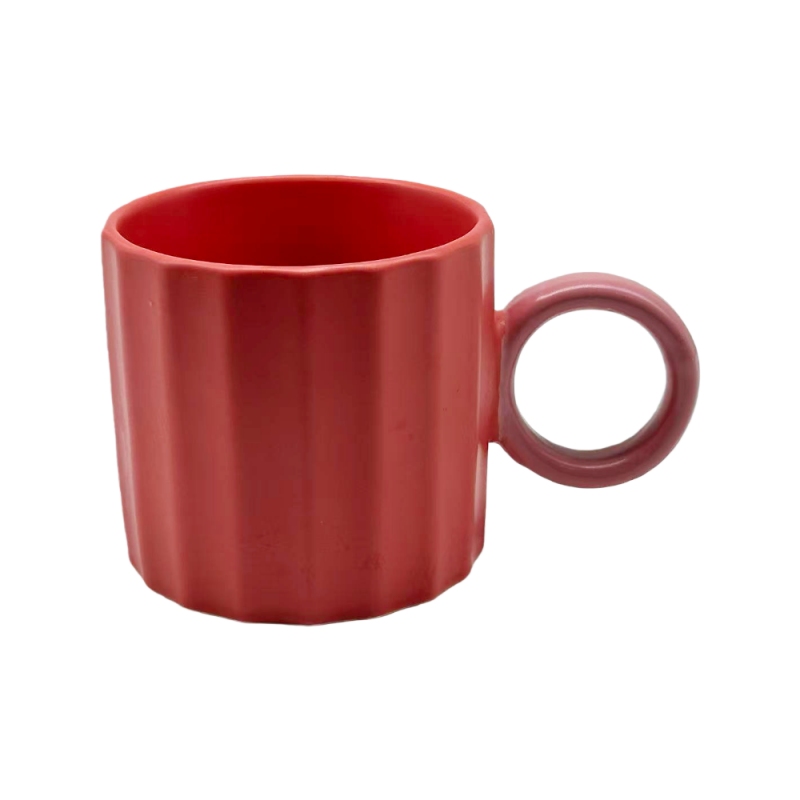
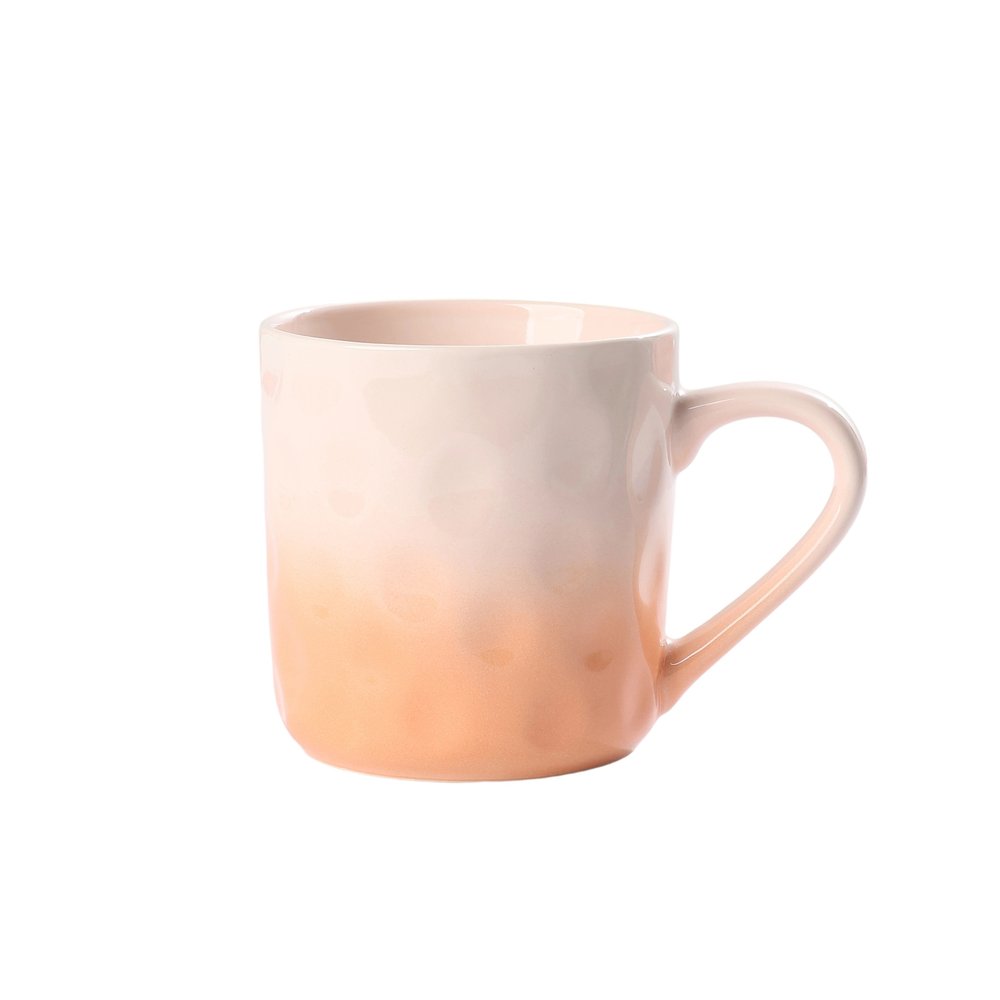
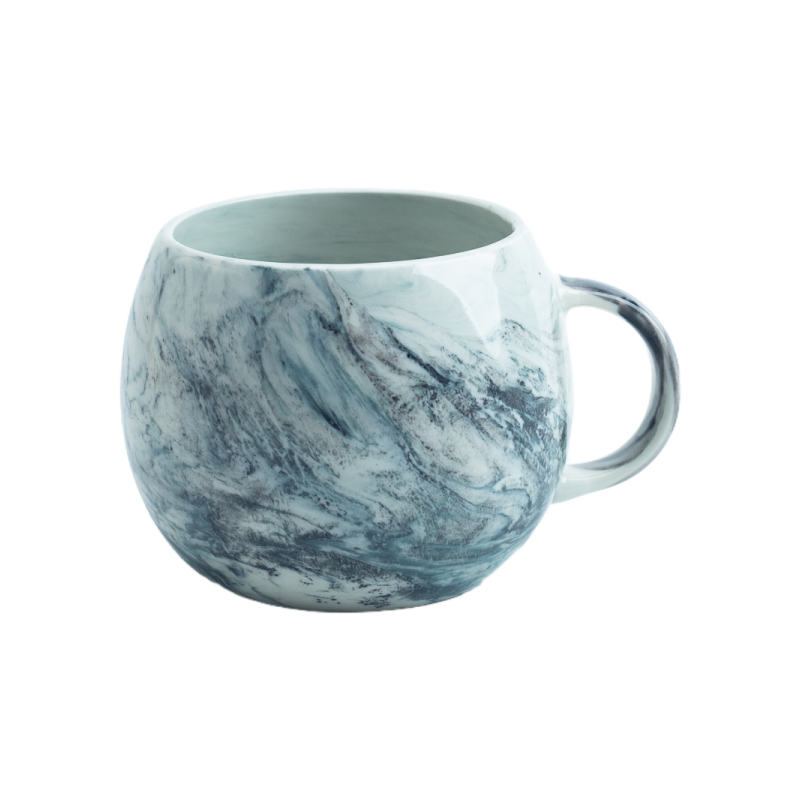
Products in this guide: Creative Ceramic Mug · Gradient Hammered Ceramic Mug 350ml
The temptation is to treat that figure as a specification, the way wall thickness or capacity is one. It is not. A firing temperature written on a quotation is usually the peak the controller was set to reach, and the controller reads the air beside its own sensor, not the clay in the middle of the load.
What matures a body and melts a glaze is heatwork: heat accumulated over time. Two loads can reach the same maturity by different routes, and two plants can name the same peak while delivering different heatwork. That is the whole of the problem, and most of it can be settled before the order is placed.
Three Temperatures, One Word
A ceramic plant contains at least three different temperatures, and only one of them belongs to your mug.
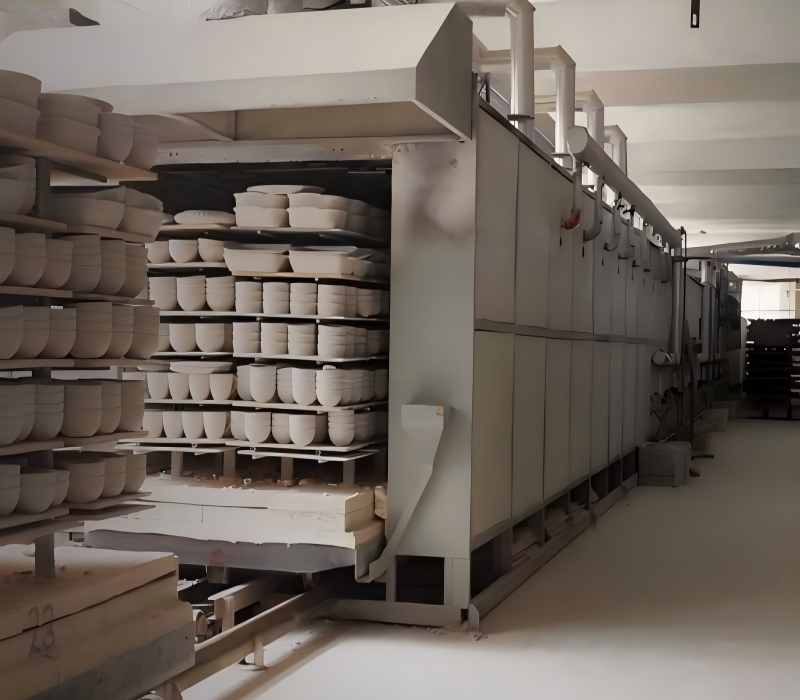
The first is the setpoint typed into the controller: an instruction. The second is the chamber reading, taken by a thermocouple or a pyrometer mounted in the wall or the roof, close to the elements or the burners. It responds quickly, and it is what the chart shows. The third is the temperature of the ware itself, at the centre of a stack, inside a sagger, behind three rows of other pieces. It always lags the chamber, and in a tightly packed load the lag runs into tens of minutes.
A kiln whose chamber reads 1,200 degrees can hold ware that has not reached it yet, and ware on the outer edge that passed it an hour earlier. Comparing two suppliers on the peak number alone compares two instructions.
Heatwork: Time Multiplied by Heat
Glaze and body do not respond to a threshold. They respond to accumulated heat. A load that climbs slowly and soaks at 1,180 can mature a glaze that a faster load reaching 1,220 and holding briefly also matures. The routes are not identical, since the slower one lets the body release its gases and the faster one puts more stress into the cooling, but they can arrive at a comparable surface.
This is why the peak figure is the least portable fact in a ceramic specification. Take it without the ramp, the soak and the load, and it says very little. Two factories quoting the same number may be running entirely different heatwork, and the visible consequence is a difference in depth of colour that nobody can attribute.
For stoneware bodies the maturing band generally sits between 1,180 and 1,250 degrees, wide enough that two plants can both be correct and still deliver different ware.
What a Cone Witnesses
The classic answer to this problem is a pyrometric cone. A cone is a small pyramid of ceramic material formulated to soften and bend at a defined amount of heatwork, and it is placed inside the load rather than in the wall. When it bends, the pieces around it have received the heatwork the cone was made for. The number on the cone is a reference, not a temperature, and that is exactly its value.
Plants use these in different combinations. A witness ring sits under a piece and records what the foot experienced. A coupon goes through the same firing and is then measured for water absorption. A colour master, fired alongside the load, is the reference the batch is judged against. All of these are in-load evidence. None of them is a setpoint.
Where the Effect Is the Product
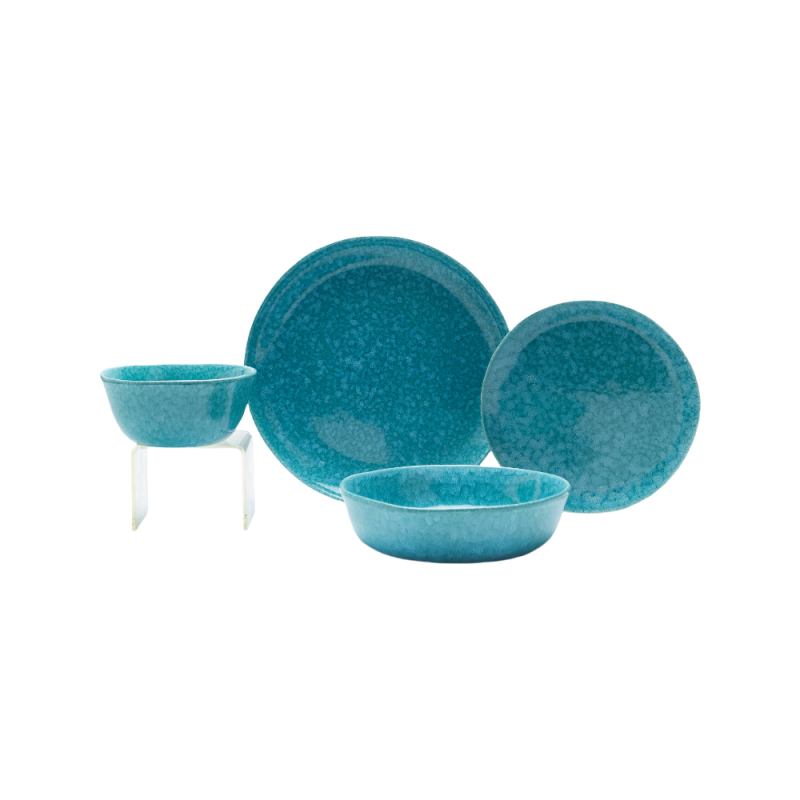
Some glazes are designed around variation. Reactive and crystalline surfaces depend on how heatwork interacts with the thickness of the coat, so the result is a range rather than a single tone. For those surfaces the specification cannot be a colour chip matched to a tolerance. It has to be a master piece plus an accepted band, agreed before production and judged on a fired sample.
The distinction matters at inspection. A reactive glaze that differs from the master by a visible margin is a defect. One that differs from the piece beside it by a similar margin may be the effect that was paid for. Without a master and a written band, the same piece can be argued either way.
What This Changes in a Purchase
- A peak temperature in a quotation is context, not a specification, and the buyer cannot verify it.
- The same body fired at different heatwork changes absorption, strength and glaze fit, so a kiln change is a product change.
- Reactive and crystalline glazes need a master piece and an accepted range, not one reference colour.
- Load position changes what a piece receives, so variation inside one shipment is expected unless the setting is controlled.
- A kiln log records intent. The outcome tests record the result.
What to Write in the Order
Ask for the cone or the equivalent heatwork reference in the process specification for the item, not a bare temperature. Ask that witness pieces or a coupon travel with each firing, and that the colour master be fired with the batch it governs. Ask for the absorption figure on the load, measured rather than quoted.
Then add the change clause. If the supplier changes the kiln, the loading pattern or the cycle length, that is a change of product and should trigger a new sample approval. It costs nothing to write and catches the failure most buyers never see coming.
The master sample guide explains how sealed references keep batches identical.
The Limit of the Evidence
A buyer cannot audit heatwork from a PDF. A curve can be produced after the fact, a cone photograph can come from a different load, and no purchasing team will stand in a kiln hall at two in the morning. The honest position is that the records establish good faith while the outcome tests establish the result.
The practical request is not a graph but a process specification that names the heatwork reference, a retained record per firing tied to the batch, outcome tests on the load, and notice when anything in the kiln changes.
A mug that meets its colour master, its absorption figure and its strength check has been fired correctly, whatever number the controller was set to. That is the only version of the question a buyer can settle, and it is enough.
Related Products
Explore products featured in this guide:
Have questions? See our Sizes & Finishes FAQ and Ordering & Certifications FAQ.
Need a custom quote? Send an inquiry or browse our full product catalog.