Changing an Order: What Moves, What Costs, and What Cannot Move
An order is placed, and three weeks later something changes. A retail customer confirms a larger quantity, a colour is dropped, a launch date moves, a logo is revised. This is normal, and a supplier who cannot handle it is not usable.
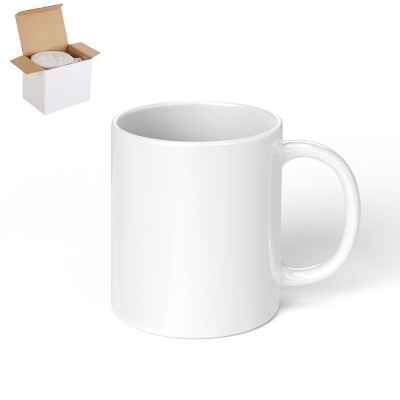
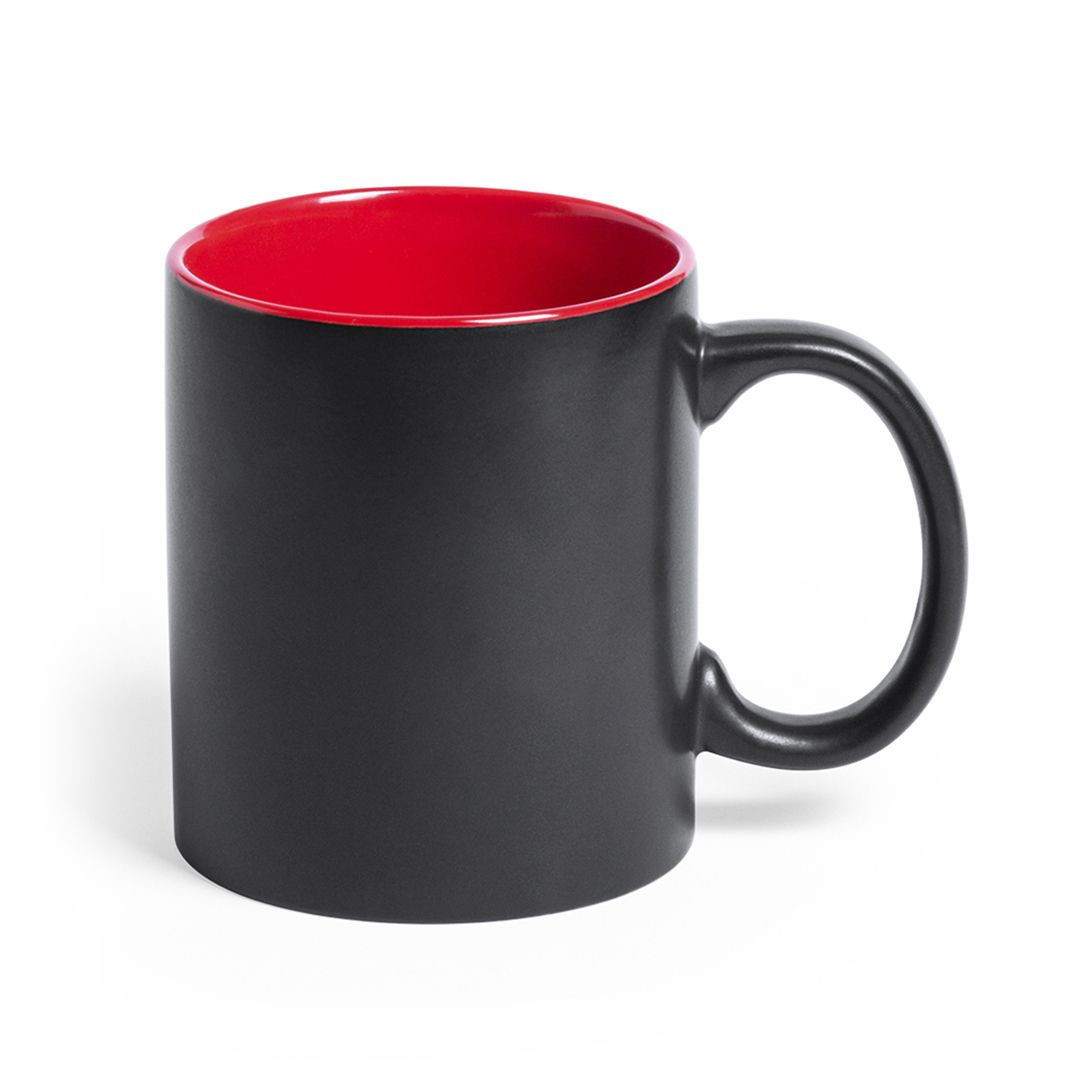
Products in this guide: Matte Black Ceramic Mug Blank 11oz · Two Tone Ceramic Mug Blank 11oz
What decides whether the change costs a phone call or a container is not the size of the request. It is two things: which part of the order is being touched, and how far production has already gone.
Four kinds of change, four different bills
Quantity. Straightforward in principle, but asymmetric — adding is not the mirror image of reducing. Adding means finding capacity that has already been allocated elsewhere; reducing means writing off material that has already been bought or body that has already been formed. Both directions carry a cost, and they are not the same cost.
Specification. Dimensions, capacity, weight class, body. Changing any of these after tooling or forming has started means the pieces already made are scrap. This is the most expensive category, and it is the one buyers most often assume is free.
Decoration. Artwork, colour count, print position, decal type. Cheaper to change than the body, because decoration happens later in the process and the blank is still usable. Until it is not — once decoration has been applied, a change scraps finished goods.
Timing. Moving a delivery date. Usually the cheapest change to agree and the easiest to underestimate, because a delay does not remove the order from the factory's schedule; it holds a slot that could have carried someone else's work.
Cost is a function of stage, not of request size
The same change — say, a colour change on the decal — costs four different amounts depending on when it lands.
- Before material is ordered. Almost free. A file is replaced.
- After material is ordered, before production. The cost of the superseded material, sometimes recoverable, often not.
- During production. Wastage of the pieces already decorated, plus lost line time while the line is reset.
- After packing. Full rework: unpack, strip, redecorate, repack, re-inspect. Frequently more expensive than the original decoration cost.
This is why the useful question is never "can you change it" — the answer is almost always yes — but "where is the order right now". A supplier who can answer that precisely, with a stage and a date, is worth more than one who says yes quickly.
Additions and reductions are not symmetrical
Buyers tend to assume that cutting 2,000 pieces from an order saves 2,000 pieces of cost. It rarely does.
Factories buy material to the order, plus a wastage allowance. Once the body is formed and the glaze mixed, a reduction does not return the material — it leaves the supplier holding inventory that has no other buyer, in a colour and shape specific to you. The saving is usually partial, and the supplier is entitled to say so.
Additions have the opposite problem. Capacity is not sitting idle waiting for a call. A factory running at a normal load has its kiln schedule committed weeks ahead; an addition is inserted by displacing something, and something is usually another customer's order. That is why additions late in the cycle often come with either a longer date or a premium.
The practical implication is a planning one: if a quantity is likely to move, say so at the quotation stage. A supplier who knows a range is coming can buy material with slack and hold a slot. That conversation costs nothing and removes most of the later argument.
Delays are cheap until they are not
Postponing a shipment feels like the safe change, and it usually is the least expensive to agree. Three costs sit behind it.
Slot displacement. The factory may accept the delay and fill the slot with another order. When you return, capacity has to be found again, and it may not be at the original date.
Storage. Finished goods waiting for a vessel occupy warehouse space, and warehouses charge by the day or by the pallet position. For bulky cargo this adds up quietly.
Price validity. A delay can push delivery past the validity of the quoted price, particularly where material costs or exchange rates have moved.
A good practice is to state, in the order, how many days of delay the supplier will accommodate without requoting, and what happens beyond that.
The spec freeze guide explains how artwork and packing files are locked between orders.
What a change note has to record
Verbal changes cause most of the disputes, and they are entirely avoidable with a one-page note. Five fields are enough.
- A change reference number, so the change can be referenced later without ambiguity.
- What is being changed, stated as a specification item, not a sentence. Not "logo bigger" but "print width from 60 mm to 75 mm".
- The affected order lines and quantities.
- The commercial and schedule effect: any cost change, any date change, and who bears it.
- Both parties' written acceptance, dated.
A supplier who issues this note without being asked is telling you something about how they manage production.
What cannot move, and should not be forced
Some things stop being changeable at a definable point, and pushing past it damages the order rather than the price.
Once the body is in the kiln, dimensions and shape are fixed. Pulling pieces mid-firing produces scrap and disrupts the whole load.
Once decoration is fired, a colour change is a rework, not an adjustment.
Once inspection has passed and packing is done, any change reopens the inspection.
The useful move is to agree these freeze points in advance — specification freeze, decoration freeze, packing freeze — and record the dates. A buyer who knows the freeze dates plans around them; one who does not discovers them at the worst moment.
The quote validity guide explains how to hold prices on long programs.
An order change is not a failure of planning. Orders change because the market changes, and a supplier who can price a change honestly and quickly is more useful than one who pretends changes are free. The thing to avoid is not the change — it is discovering its cost after it has already been made.
Related Products
Explore products featured in this guide:



Have questions? See our Sizes & Finishes FAQ and Ordering & Certifications FAQ.
Need a custom quote? Send an inquiry or browse our full product catalog.