Casseroles and Oven-to-Table Ceramics: Five Things to Confirm Before You Order
The Problem: Direct Heat Changes the Brief
Every other item in a ceramic programme holds food or drink. A casserole, a baking dish or an oven-to-table bowl takes heat directly, and that single difference makes the glaze a performer rather than a surface: it expands and contracts with the body, it meets oil and acid at temperature, and it goes from a hot oven to a cold counter in a second. Five items should be confirmed in writing before the order is placed.
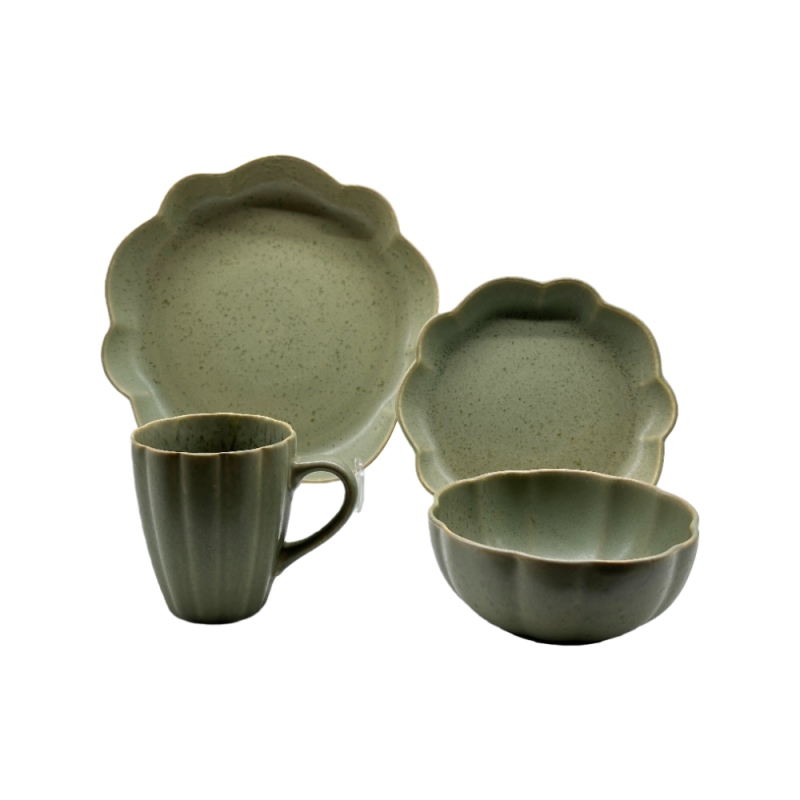
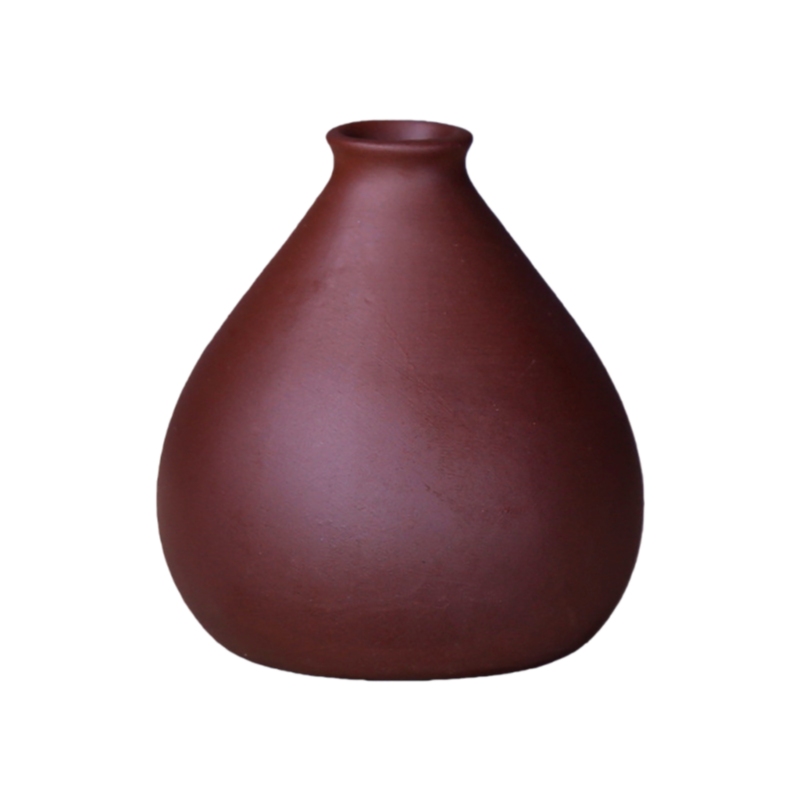
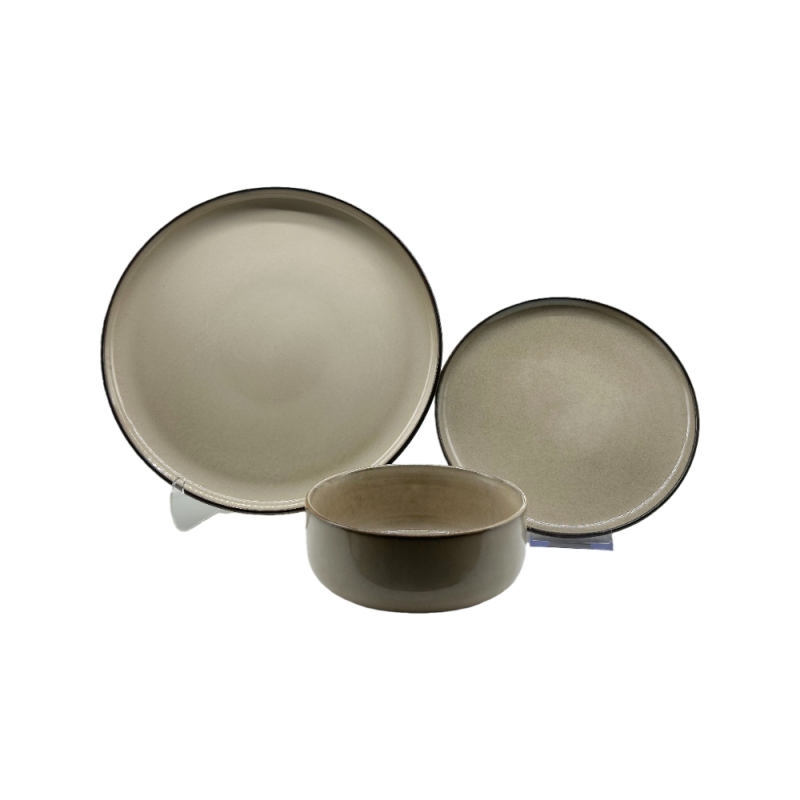
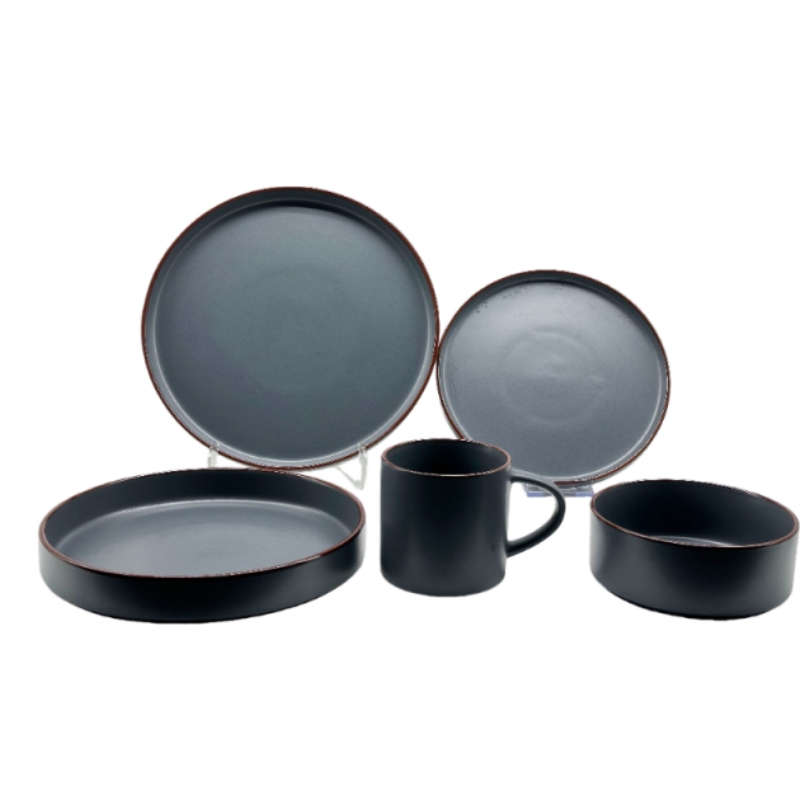
Products in this guide: Artisan Green Stoneware Tableware Set – 4 Piece Ceramic Dinnerware for Modern Home Dining · Mini Matte Ceramic Bud Vase Set – Modern Decorative Colorful Vases for Home & Office
1. Thermal Shock, as a Tested Number
The failure that generates returns is a crack that appears without an obvious cause: a hot dish on a wet surface, or a cold dish into a hot oven. The specification is a tested thermal-shock range — the temperature differential the body survives — and the operational guidance that accompanies it: preheat when the recipe calls for it, avoid direct transitions, never place a hot dish on a wet or cold surface. Ask for the test, not the adjective.
2. The Food-Contact Surface, Named
A casserole holds hot oil, wine and tomato for an hour at temperature. The glaze that touches the food should be stated as a food-contact surface with the compliance evidence for the destination market, and any decoration should be outside the food-contact area or fired beneath the glaze. This is the item where "decorative" and "food contact" most often get confused in artwork discussions.
3. Lid Tolerance, Which Is the Hard Part
A lid has to seat, stay seated in the oven, and come out without sticking. It is the component most likely to arrive warped, and the one where a tolerance conversation pays: seating allowance, lid weight, and whether the lid is fired in place with the body so that the two shrink together. Ask how the supplier checks lid fit at final QC, and what happens to a body whose lid does not seat.
4. Handles, Weight and Service
A full casserole is heavy, and it is carried with something in it. Two details matter more than they appear: the handle section (wide enough to grip with a cloth) and the empty weight versus capacity, because a dish bought for its size may be too heavy to lift when loaded. For food service, add the foot design — a roughened or ridged base grips a trolley; a polished base skates.
5. Packing and the Landed Cost
Ovenware is the heaviest and most breakable category in a ceramic order, and the packing specification decides the landed cost as much as the unit price does. Confirm the packing method (moulded pulp, foam, or a partition), the carton compression rating for the stacking height you will use, and the pieces per carton and cartons per pallet — the two numbers that turn a unit price into a delivered price.
Where the Range Fits a Programme
Ovenware is usually the last category a buyer adds, and the one that exposes whether the supplier can hold one body and one glaze family across categories — a casserole and a plate that read as a set on the table, and a replacement that still matches in two years.
Our <a href="https://www.storiwareceramicmugs.com/products2147443/Custom-Ceramic-Casserole.htm">oven-to-table casserole range</a> shows the shapes and capacities we produce, and the <a href="https://www.storiwareceramicmugs.com/oid1756307/Custom-Ceramic-Mugs-Bulk-Order-Factory-Direct-from-China.htm">bulk order programme</a> sets out MOQ, decoration and sampling. To check a specific ovenware brief, <a href="/contact-us.htm">send us the dish, capacity and oven temperature</a>, and we will confirm the thermal-shock evidence and the packing plan.
The spec freeze guide explains how artwork and packing files are locked between orders.
What to Put in the Order
- A tested thermal-shock range, plus the operational guidance.
- The food-contact surface named, with compliance evidence.
- Lid seating tolerance and weight, and how fit is checked at QC.
- Handle section and loaded weight against the service model.
- Packing method and pieces per carton, with the pallet plan.
- One body and glaze family, with a retained standard.
The packaging guide explains how retail-ready and protective layers are specified together.
The Habit That Ties It Together
The habit is to treat ovenware as a performance item and to ask for the test behind each claim. Buyers who do this stop finding out what a dish can withstand from a customer complaint.
Related Products
Explore products featured in this guide:
Have questions? See our Sizes & Finishes FAQ and Ordering & Certifications FAQ.
Need a custom quote? Send an inquiry or browse our full product catalog.