





Cash and Carry: What a Wholesale Depot Asks of a Ceramic Range
A cash and carry depot is a building full of steel racking where trade buyers walk in, pay at a till and carry the goods out in the same hour. There is no project, no sample round, and in most cases no annual contract. The buyer is a business, but the transaction behaves like retail.
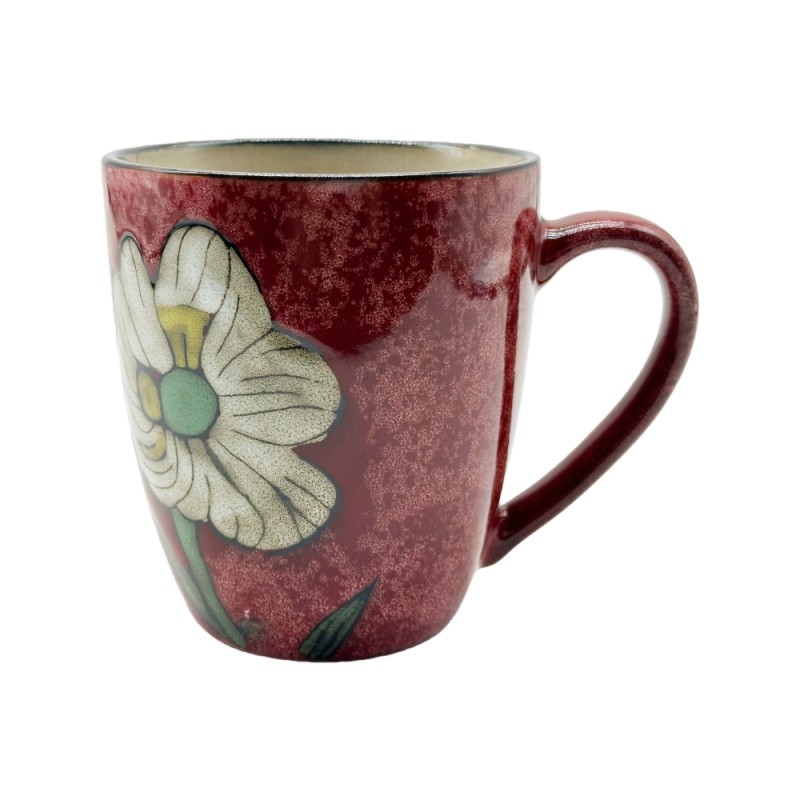
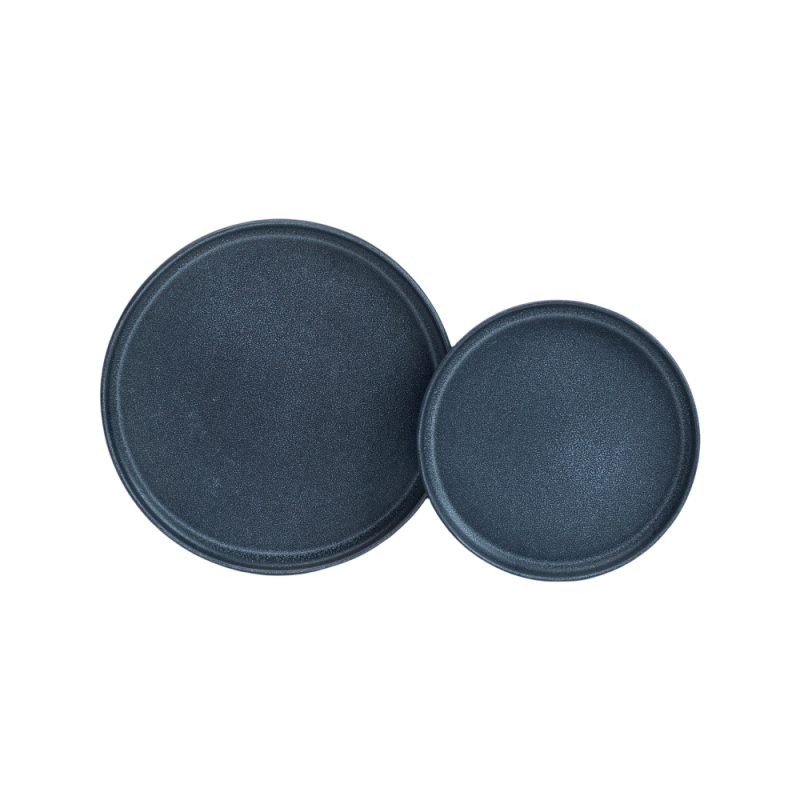
Products in this guide: Reactive Glaze Ceramic Mug 400 ml · Reactive Glaze Dinner Plate
For a tableware supplier the format is easy to misread. It looks like a distributor and is priced like one, yet the range it carries is shaped by a shop-like constraint: whatever is on the shelf has to sell to the next person who walks in, this week.
We supply importers and distributors who place ceramic ranges into this format, and the pattern is consistent. The channel arithmetic settles the specification before the design does. See the full ceramic sourcing process map.
The Problem: It Looks Like a Warehouse and Buys Like a Shop
A depot owns shelving and stock turn, not a plan. It does not run a sourcing project for a client and it does not hold a shape on the chance that someone asks for it. Every metre of racking has to earn its space back within a turnover period the depot sets internally.
Three things follow, and they explain most of what a depot buyer will refuse. A hero shape with a story is worth less here than a plain shape that repeats. Forty references on one body are a liability, not a range. And an argument built on decoration does not land, because the person paying is buying stock to resell.
Who Walks In With a Trolley
Three buyers share the aisles, and they buy differently.
- The independent retailer, restocking a shelf. Buys one to three cases, returns within weeks, and abandons a reference the moment it stops moving.
- The small food-service operator, buying for a room rather than a chain. Takes a case, breaks it open in the kitchen, and replaces it piece by piece as breakage accumulates.
- The trader or reseller, moving stock to a smaller market, a stall or a neighbouring country. Buys mixed, compares on sight, and will not pay for anything that cannot be seen from a metre away.
None of them is the account a factory quotes directly. The depot is, and behind the depot sits an importer holding stock. That chain matters, because it decides what the factory is actually being asked to make.
The Case Is the Selling Unit
In this channel the unit of sale is the case. Not the pallet, not the container, and not the piece.
That one fact produces a set of requirements that are decided long before a carton is costed. The case has to be liftable by one person from a rack onto a trolley and from a trolley into a van. It has to be re-closable, because half a case goes back on the shelf and the rest travels to a customer. And it has to hold its shape when four cases are stacked on steel without support from a pallet.
Which means the case count is a channel decision, not a packing afterthought. A case of forty-eight light pieces and a case of twelve heavy ones are different products once they reach a depot aisle, even when the piece inside is identical. The case also carries the information the reseller needs: a scannable code on the unit that will be sold on, and a line in the local language that the person at the till can read. The packaging guide explains how retail-ready and protective layers are specified together.
What a Depot Will Not Stock
Customisation is the first casualty, and the reason is structural rather than commercial. A depot buys for resale, and the reseller's customer never asked for a logo. A special colour, a one-off decal, a printed gift box and a seasonal novelty all fail the same test: they cannot be sold to whoever walks in next.
The long tail fails too, more quietly. A shape that sells twice a season still occupies a metre for the other ten months, and a depot measures that cost weekly. What survives is the reference that never has to be explained.
A Shelf Has to Complete a Table
The buyer in the aisle is usually assembling something: a first flat, a rented kitchen, a small café's opening order. If the mug is there and the plate is not, the sale leaves and does not come back for a second visit.
So the value of a supplier in this channel is not one strong reference but a core range that shares a body, a glaze family and a foot diameter, so that pieces stack together on the same shelf and read as a set. Depth in a few shapes, not breadth across many.
This is where a factory's consistency becomes a commercial asset. A plant that holds the same body and the same glaze family across seasons can support a depot core range for years. A plant that reformulates between orders cannot, because the second delivery will not sit next to the first.
Replenishment Runs on Weeks
A depot does not place container orders. It re-orders a case count, and the importer behind it holds the stock that makes that possible. What reaches the factory is not a project but a rolling repeat of the same references, in smaller quantities than a container programme and far more often.
That rhythm asks something different of production. The reference has to stay the same across repeats: same body, same foot ring, same glaze tolerance. A depot shelf mixes two production runs side by side, and the customer compares them without knowing that is what they are doing. This is normally where a depot programme breaks, and it breaks on colour rather than on shape. The master sample guide explains how sealed references keep batches identical.
Three Questions Before You Quote a Depot Programme
Three questions settle most of the design, and all three are cheaper to ask than to correct later.
What is the case count, and who lifts it: one person on a trolley, or two people and a pallet truck. Which references must never be out of stock, because a depot will forgive a missing novelty but not a missing core plate. And how many repeats a year will come from the same glaze batch, with what tolerance between them.
Our minimum is 5,000 pieces per item or per decoration, and a depot case count is simply a division of that number. The piece that survives the division is rarely the decorated one. It is the plain piece that a reseller can put on a shelf and forget about until it is gone.
Related Products
Explore products featured in this guide:

Have questions? See our Sizes & Finishes FAQ and Ordering & Certifications FAQ.
Need a custom quote? Send an inquiry or browse our full product catalog.

