
Wood Packaging and Plant Quarantine: The Rule That Can Stop Your Container
The Problem: A Shipment Held Over a Pallet
The container arrives, the ceramics are perfect, and the goods still do not move — because the wood underneath them does not satisfy the destination's plant-health rules. Solid wood packaging can carry pests and pathogens, and most importing countries therefore regulate it: the wood must have been treated in an approved way and marked to prove it. Where that mark is missing or unreadable, the shipment can be held for inspection, re-treated in the destination country at the importer's expense, or refused and returned. Ceramic is heavy and almost always palletised, which puts this rule squarely in the path of every order — and it is one of the few compliance items that is decided entirely by the factory's packing choices, not by the ceramic itself.
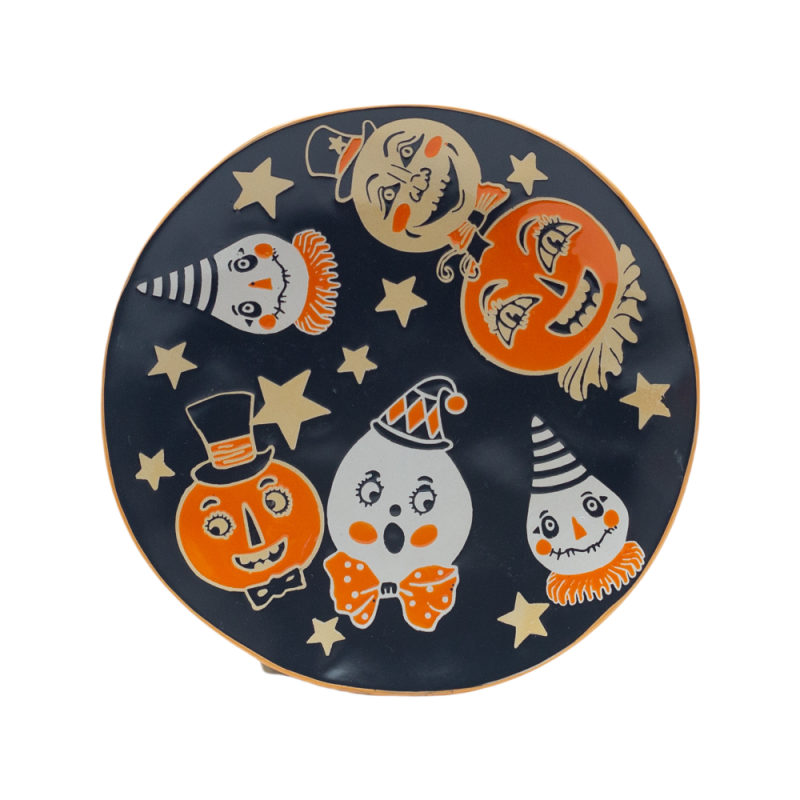
Products in this guide: Whimsical Halloween Ceramic Plates · Christmas Coffee Cup Set
Where This Fits in the Sourcing Chain
Wood treatment is part of the packing specification, alongside carton marking and the protection standard. The packaging guide explains how retail-ready and protective layers are specified together. The stamp on the pallet is read against the shipment documents, exactly like a carton mark. The carton marking guide explains how marks and labels keep containers moving. And the evidence that the wood was treated belongs in the same file as the inspection report. The shipment file guide explains how to read inspection reports and transport documents. The full chain follows the standard sourcing map. See the full ceramic sourcing process map.
What the Rule Actually Requires
The international framework most markets apply is the wood-packaging standard known as ISPM 15. Its requirements are consistent in shape even where national enforcement differs:
- Solid wood packaging material — pallets, crates, boxes, dunnage and blocking — must be treated before export, either by heat treatment or by an approved fumigation method.
- The treated material must carry the official mark — commonly called the IPPC stamp — applied legibly and permanently to each piece of wood.
- The mark identifies the treatment and the country and producer responsible for it.
Two practical clarifications follow. Processed wood products such as plywood, particle board and veneer are generally outside the scope, because the manufacturing process removes the pest risk — which is why processed-board pallets avoid the subject altogether. And the requirement applies to every piece of solid wood in the consignment, not only the pallets: dunnage, bracing and crates count. Enforcement is by the destination's plant-health authority, and the treatment standard for a specific market should be confirmed with the forwarder or broker rather than assumed from another lane.
Why It Matters More on Ceramic Than on Many Cargoes
Three characteristics of ceramic orders raise the exposure. Weight: tableware is dense, so loads are heavy and are almost never shipped loose — they are palletised, often on several pallets per container. Tolerance of treatment: unlike goods that can be re-handled readily, repacking a container of ceramics at destination is expensive and risks breakage, so a re-treatment instruction is a costly event rather than an inconvenience. Timing: a hold compounds with the arrival-cost mechanisms that punish delay. The demurrage and customs delay guide explains how arrival costs stay predictable. In short, the rule is cheap to satisfy at the factory and expensive to fail at the border.
The Mark, the Documents and the Photographs
Three pieces of evidence make this item disappear from the risk list. The stamp on the wood, legible and intact on each pallet, which is what the authority actually inspects. The treatment documentation provided with the shipment, which your broker can produce if the wood is questioned. Loading photographs showing the pallet marks, taken before the doors close, which turn a later dispute into a five-minute answer rather than a two-week one. The shipment file guide explains how to read inspection reports and transport documents. These three belong in the order file from the first shipment, so every later shipment inherits the same protection.
What to Specify in Writing
Four lines in the packing specification settle it. State the requirement: all solid wood packaging to be treated and stamped to the destination market's standard. Require the mark on every piece: not one pallet in the stack, but each one. Ask for photographic evidence of the marks at loading, since it costs nothing and settles arguments. Consider processed-board pallets where the load allows, because a material outside the scope of the rule removes the risk rather than managing it.
The Habit That Ties It Together
The habit is to treat wood packaging as a compliance item with a specification, an evidence trail and a named owner — exactly like a carton mark. Orders that do this never think about plant quarantine again. Orders that do not eventually meet it as a demurrage invoice and a re-treatment crew, which is a memorable and entirely avoidable way to learn the same lesson.
Related Products
Explore products featured in this guide:


Have questions? See our Sizes & Finishes FAQ and Ordering & Certifications FAQ.
Need a custom quote? Send an inquiry or browse our full product catalog.