
Which Repeat Buyer Are You? Fill-In, Scheduled and Programme Ordering
The Problem: Repeat Buying Advice Comes in One Size
Most advice for repeat buyers is written as if every reorder were the same — but a café chain refilling the same mugs monthly, a distributor restocking a bestseller when stock runs low, and an importer running a full annual programme are doing three different businesses. Each has different lead-time needs, different negotiation leverage and different risks. Trying to run all three the same way either over-commits you to stock you do not need or under-commits you with suppliers who need your forecast. This guide separates repeat buyers into three patterns and explains what each one should plan for.
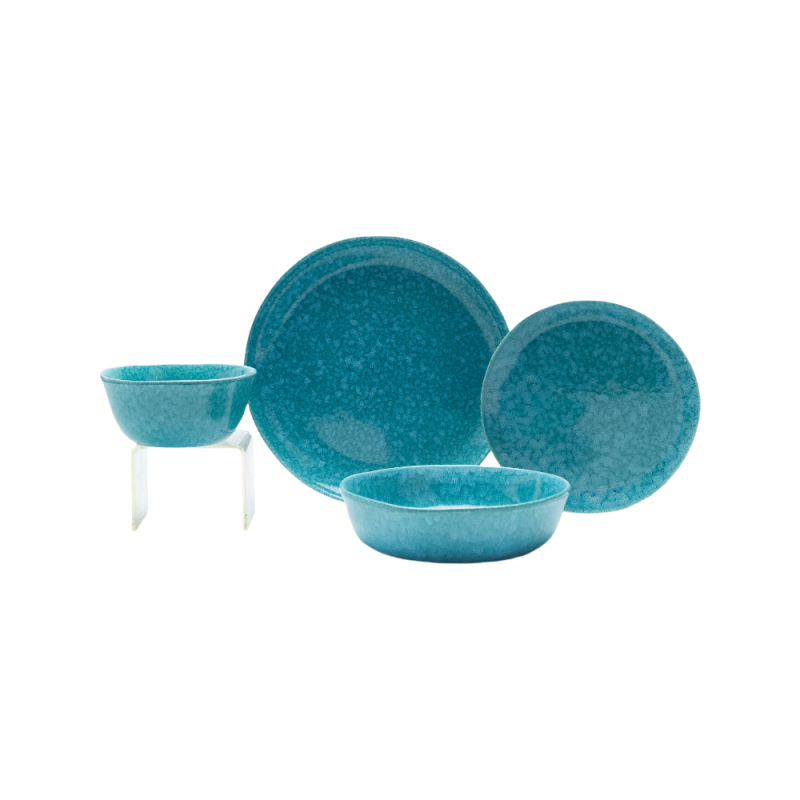
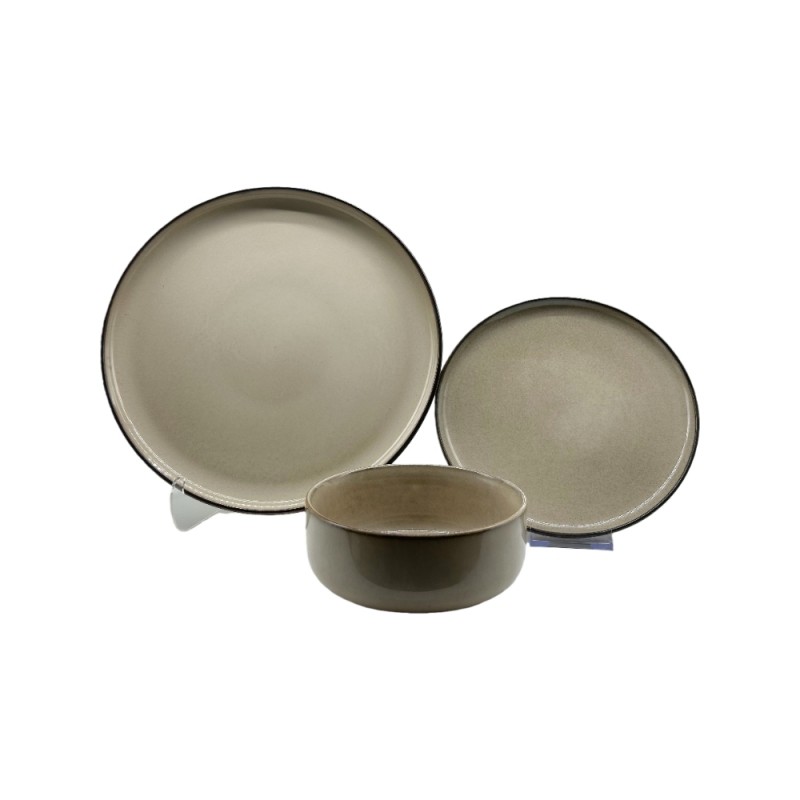
Products in this guide: 4-Piece Teal Blue Crystalline Glazed Stoneware Dinnerware Set · 3-Piece Reactive Glaze Stoneware Dinner Set
Where This Fits in the Sourcing Chain
The earlier guides contrasted the two big first-time buyer profiles. The two-buyer guide contrasts importer and chain ordering styles. This guide continues that thinking for the buyers who come back: how your reorder pattern — not just your company size — shapes the way you should buy. See the full ceramic sourcing process map.
The Three Repeat-Buyer Patterns
- The fill-in buyer. Reorders when stock runs low, often in small quantities, frequently with urgency. The risk is paying per-piece prices and losing production slots because there was no forecast. The fix is knowing your minimum sensible reorder size and your real lead time, and keeping a small safety stock so fill-ins never become emergencies.
- The scheduled buyer. Reorders on a rhythm tied to demand — monthly, quarterly, or per promotion season — with quantities that vary within a known range. The risk is drifting between fill-in and programme behaviour: sometimes forecasting ahead, sometimes calling at the last minute. The fix is a standing rhythm the factory can plan around, even if each release is confirmed separately.
- The programme buyer. Commits to an annual framework — volume bands, price conditions, planned releases — and manages the year against it. The risk is rigidity: committing to volumes that the market does not deliver, or letting the programme become a bureaucratic blanket. The fix is the blanket-order mechanics of forecasting and review windows.
How to Recognise Your Own Pattern
Ask three questions about your last few orders. Do you reorder because stock hit a threshold, because a calendar date arrived, or because an annual plan said so? Do your quantities swing widely or stay in a band? Do you give the factory forward visibility beyond the current order? Threshold-driven, irregular, low-visibility buying is fill-in behaviour even if the company is large. Calendar-driven, banded, moderately visible buying is scheduled. Plan-driven, committed, highly visible buying is programme. Most buyers are one type with occasional moves toward another — the value is knowing which one you default to.
What Each Pattern Should Plan For
- Fill-in: a minimum reorder size that keeps per-piece economics sane; a safety stock that absorbs demand noise; and a standard reorder format so the urgent order does not lose its specifications.
- Scheduled: a release calendar shared with the factory; quantities pre-declared in bands; and a rule for when a forecast becomes a firm order (the lead time you commit to).
- Programme: the annual volume and price review dates; the firm-versus-indicative release split; and the review trigger that lets the programme bend before it breaks.
The Negotiation Difference Between Patterns
Leverage follows visibility. A fill-in buyer asking for a discount per piece negotiates from urgency, and suppliers price urgency. A scheduled buyer who can show a quarterly volume band and a fixed calendar negotiates from predictability — which is a real asset to a factory planning kiln time. A programme buyer who commits annual volume and reviews conditions on a set date negotiates from commitment — the strongest position, because it lets the factory plan capacity. If you are a fill-in buyer in practice, the fastest way to better pricing is not a harder negotiation; it is becoming a scheduled or programme buyer, even modestly.
Common Mistakes by Pattern
- Fill-in buyers treating every reorder as an emergency and paying the urgency premium permanently, instead of fixing the stock level that causes the emergencies.
- Scheduled buyers being reliable for three releases then vanishing at the fourth, destroying the planning value their rhythm created.
- Programme buyers signing volume they cannot honour and then hiding the shortfall until review time, eroding the trust the programme depends on.
How Storiware Works with Each Type
Storiware supports all three patterns from the factory side. Fill-in buyers get honest lead times and a clear minimum reorder path so a restock does not lose its specifications. Scheduled buyers can share a release rhythm and the factory holds corresponding production slots, confirmed per release. Programme buyers work with the factory on annual volume, price review dates and rolling forecasts — the mechanisms covered in the blanket-order guide. Tell the factory which pattern you are, and the conversation about lead time, price and capacity starts from the right place instead of the wrong assumptions.
Buyer Checklist to Match Your Pattern
- Your last three orders identified: fill-in, scheduled or programme
- Minimum reorder size and real lead time known
- Safety stock set so fill-ins stay routine
- Release calendar shared if scheduled, annual framework if programme
- Firm-versus-forecast rule agreed with the factory
- Review dates set before you need them
The three patterns are not ranks — a small fill-in buyer can be an excellent customer, and a programme buyer can be a difficult one. The point is knowing which pattern you actually run, so your reorders use the buying style that fits your demand instead of the one that felt natural by accident.
Related Products
Explore products featured in this guide:
Have questions? See our Sizes & Finishes FAQ and Ordering & Certifications FAQ.
Need a custom quote? Send an inquiry or browse our full product catalog.