



What Standard Means: Six Unpriced Words in a Ceramic Quotation
A quotation is read as a price. It is also a list of what the supplier has agreed to do, and the two are rarely the same length. Once the number is accepted, the sentences around it decide how much of the work is defined and how much is left to whoever is closest to it.
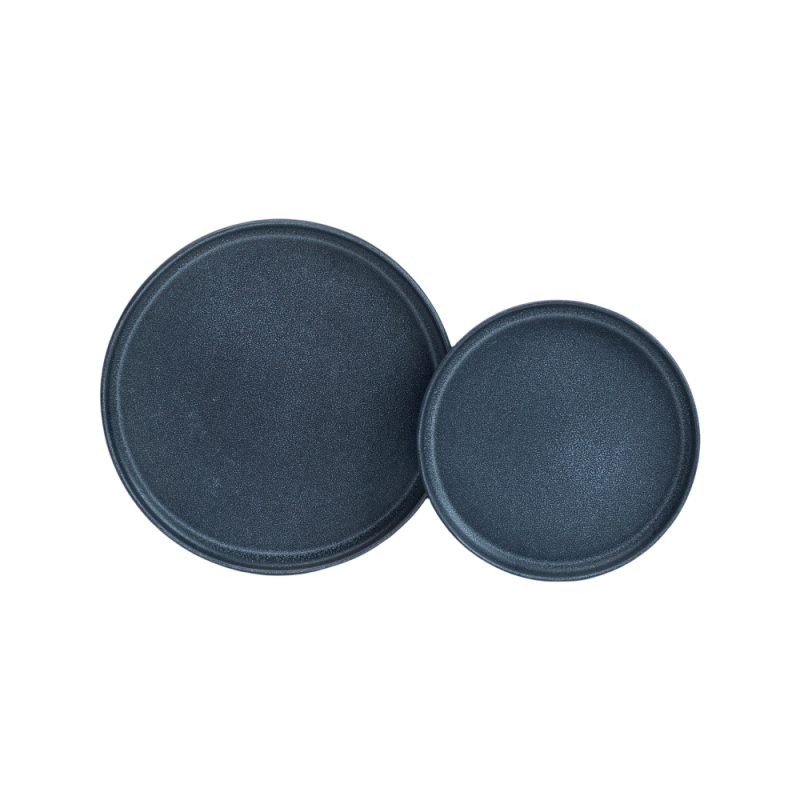
Products in this guide: Soft Touch Ceramic Mug · Nordic Matte Stoneware Bowl
Most of those sentences are ordinary. A supplier writes standard export packing because every order has packing. It writes as per approved sample because a sample exists. It writes normal tolerance because tolerance sounds like a technical matter. None of this is dishonest. Each phrase is a decision that has not been made, dressed as one that has.
The cost of that gap does not appear in the price. It appears at pack-out, at arrival, or in a second invoice. What follows is a reading of six of those phrases, what each one hands over, and the wording that takes it back.
A vague word is an unbudgeted decision
A price is a number attached to a scope. When the scope is loose, the number is a guess with a decimal point, and the difference is settled later by whoever has the leverage at that moment.
This matters more in ceramics than in a product assembled from standard parts, because almost every cost in the order comes from a physical setup. A carton size, a divider, a mould, a glaze batch, a screen: each is chosen once and paid for whether or not the buyer agreed to it. There is no equivalent of swapping a component for a cheaper one after the fact.
A vague word therefore does not save the buyer money. It moves the decision to a place where the buyer is not present, and it moves the argument to a date when the goods already exist.
Six phrases that are not yet decisions
These six appear in most quotations and most of them are not read twice.
- Standard export packing. Says a carton exists. Does not say its grade, its internal dimensions, the divider, the pieces per carton, the pallet pattern or the mark. The factory will use what it uses for everyone.
- As per approved sample. Says a sample was approved. Does not say which physical piece, whose copy, at what light, or what happens when two copies differ.
- Normal tolerance. Says a tolerance exists. Does not say the number, the dimension it applies to, the gauge, or the stage at which it is measured.
- Approximately five thousand pieces. Says a quantity. Does not say the allowance, the direction the factory prefers to err in, or who pays freight on the difference.
- Usual lead time. Says a duration. Does not say what starts the clock: the purchase order, the deposit, the approved artwork, or the day the mould comes free.
- And other requirements as standard. Says the list is finished. Means the list is open, and anything a workshop treats as normal becomes part of the order without a price.
Where each one lands when it goes wrong
The pattern is consistent. The decision returns at the least convenient point in the programme.
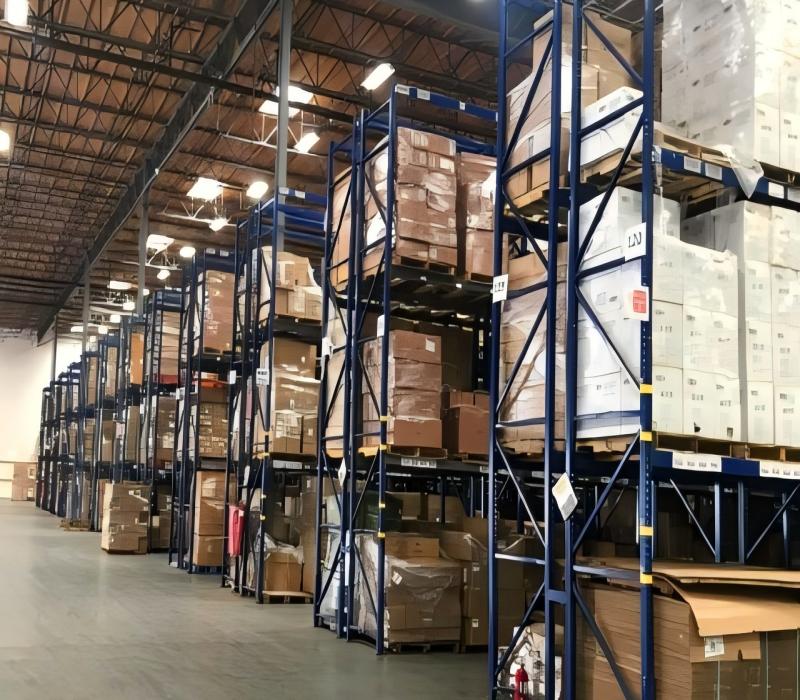
Packing returns at the container. A carton that fits but does not protect, or a pallet pattern that leaves the last row loose, is discovered when the loading is already running. The buyer who wanted retail-ready presentation finds that the inner divider was never specified, and the correction is a repack rather than a conversation.
The sample returns at the first bulk inspection, when two people hold two different approved pieces and both are right. Tolerance returns at pack-out, when the measurement is finally taken and part of the run sits outside a number nobody wrote down.
Quantity returns on the invoice. The run arrives short or long, freight was paid on what actually shipped, and the cartons carry a mark for a figure that no longer matches the contents. Lead time returns in week six, when the factory counts from the deposit and the buyer counted from the purchase order.
The rewrite that can be checked
Each phrase has a replacement that a warehouse clerk could verify without asking anyone.
- Packing: carton grade and flute, internal dimensions, divider type, pieces per carton, pallet pattern, gross weight band and mark artwork by version. The packaging guide explains how retail-ready and protective layers are specified together.
- Reference: one sealed piece, dated, initialled, held by both sides, photographed under a stated light, and named in the order as the only reference.
- Tolerance: the dimension, the number, the gauge and the stage, whether first article, in-process or pack-out.
- Quantity: the order figure, the allowance in percent, the direction, and the rule for freight on the difference.
- Lead time: the starting event named, the milestone dates, and what counts as a delay rather than a revision.
- Scope: a closed list, plus one sentence that anything not on it is quoted and approved before it is done. The quote validity guide explains how to hold prices on long programs.
The twenty minutes before you sign
A quotation can be checked in less time than it takes to read the terms properly, if the reading has a target.
Read for adjectives rather than nouns. Standard, normal, usual, approximately and as per are the words that carry an undecided cost, and they are easy to find once you are looking for them.
For each one, ask three questions: who decides, at what point, and who pays if the answer is not what I expected. Wherever the answer is a shrug, that line goes back as a question rather than as a complaint.
Send the six replacements in one message rather than six. A supplier answers a single list; it negotiates six separate emails.
Why the second order gets cheaper
The first order pays for the wording. The second inherits it.
Once the six lines are written, the same text goes into the next purchase order with a date change, and the argument that would have happened at pack-out does not happen at all. On a programme that repeats twice a year, that is the difference between managing a supplier and renegotiating one.
It also changes what the quotation is for. A price compares suppliers; a scope compares offers. A buyer holding both is choosing between factories rather than between numbers.
A ceramic order is priced at the quotation and settled on the packing line. The six words in between are not small print. They are the part of the agreement that decides who pays for the difference, and rewriting them costs one message before the order instead of an argument after the container arrives.
Related Products
Explore products featured in this guide:



Have questions? See our Sizes & Finishes FAQ and Ordering & Certifications FAQ.
Need a custom quote? Send an inquiry or browse our full product catalog.