Verifying Factory Capacity Before You Commit: What to Ask and What to Read
The Promise That Costs the Most
Every delayed ceramic order starts with a promise that was never verified. The factory says the delivery date is safe, the buyer books the container and the marketing date, and only later does the production calendar reveal that the promised week was already full. The fix is not cynicism — it is verification. Before you commit a bulk order to a factory, you can check whether the capacity promise is real by asking the right questions and reading the right documents. This guide gives you both.
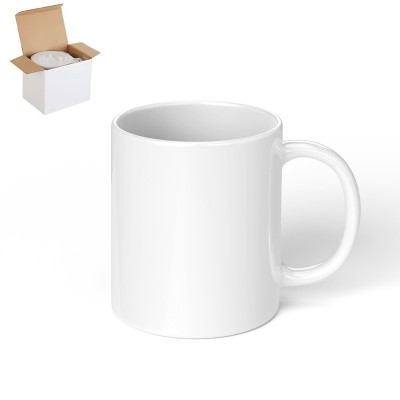
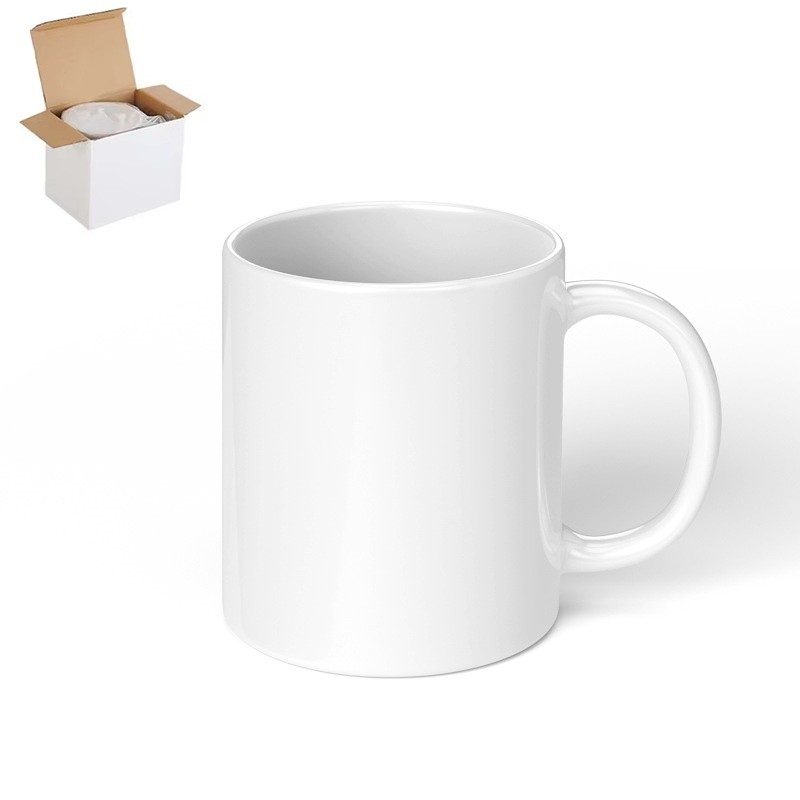
Products in this guide: 11oz Sublimation Blank Ceramic Mug · Gold Handle Ceramic Mug
Where This Fits in the Sourcing Chain
Capacity verification happens at the decision point between selecting a factory and confirming an order. See the full ceramic sourcing process map. It is the last check before your commitment — and the first thing that protects your delivery date from the reality of the production calendar.
What to Ask the Factory
Capacity questions should be concrete enough that vague answers become obvious:
- What is on the production calendar now? Ask for the current schedule and where your order would sit. A factory that shows you its calendar is different from one that only tells you the date.
- Which lines and how many shifts would run your order? Ceramic production moves through forming, drying, glazing, firing and packing. Which stages are the constraint, and does your order share that stage with other customers that week?
- What is the current utilization? A factory at ninety percent running your mug alongside others has less slack than one at sixty percent. Ask how much of the relevant stage is already committed.
- What has shipped in the last two months? Recent shipping records — your product type or similar ones — show demonstrated throughput, not theoretical capacity.
- What happens if your order slips? The answer reveals whether the factory has buffer or whether every customer's date is equally fragile.
What Documents to Read
A factory's calendar is its honest document; look for these:
- The production schedule. A real schedule lists orders, stages and dates. Read whether your product type appears in the same period other buyers are promised, and whether the factory is scheduling beyond what its lines can physically run.
- Historical shipping or packing records. Past monthly output of similar ceramics is the strongest evidence of real capacity. One strong month is a spike; a consistent three-month record is a pattern.
- The kiln and line plan. Firing is usually the bottleneck in ceramics. If the kiln plan shows your firing windows booked solid, the constraint is visible before you commit.
- Third-party audit reports, when available. A factory that has been audited for capacity or quality has documents that put its claims in context — read them alongside the schedule, not instead of it.
How to Write the Promise Into the Contract
Verification protects you only if the verified date becomes a term:
- Name the delivery date and the consequence of missing it. A written delivery commitment with a clear consequence changes the factory's scheduling priority more than a verbal "no problem."
- Tie milestones to the calendar. If first article, production completion and packing are listed with dates, slippage becomes visible early instead of appearing at the port.
- State the agreed buffer. If the factory confirms your order can finish a week before the container date, write that buffer in — it is your protection when a glaze batch needs a re-fire.
- Define how delays are communicated. A clause that requires written notice of any schedule risk at the moment it is known gives you time to act, which is the whole point.
Common Mistakes Buyers Make
- Asking "can you deliver by this date?" and accepting "yes" as verification.
- Trusting a factory's total claimed output without checking how much of the relevant stage is already committed to other customers.
- Booking the container and the marketing date before the factory's calendar is confirmed in writing.
- Treating one successful past order as proof of capacity for a larger or more complex one.
How Storiware Answers Capacity Questions
Storiware runs bulk ceramic orders on a published production plan. When you ask about capacity, the factory can show where your order sits on the schedule, which forming and firing windows it occupies, and what has shipped in recent months as demonstrated throughput. Delivery dates and milestones are confirmed in writing with the buffer stated, so the date you commit to is a date the factory has scheduled — not a date it hopes to meet.
Buyer Checklist Before You Commit
- Ask for the current production calendar and your order's place in it
- Identify the constraint stage — usually firing — and check its load
- Ask current utilization and how much of the relevant stage is committed
- Read recent shipping records as demonstrated throughput
- Read the kiln or line plan for visible bottlenecks
- Get the delivery date, milestones and buffer written into the contract
- Agree a written-notice rule for schedule risks the moment they are known
Capacity is not what a factory says it can do; it is what the calendar, the kiln plan and last month's shipments show it is already doing. Verify before you commit, and the delivery date you book is the delivery date you get.
Related Products
Explore products featured in this guide:

Have questions? See our Sizes & Finishes FAQ and Ordering & Certifications FAQ.
Need a custom quote? Send an inquiry or browse our full product catalog.