Two Buyers, Two Conversations: Importers vs Chains & Brands
One Factory, Two Very Different Buyers
Walk into any ceramic factory and you will find two kinds of bulk buyers placing orders that look identical on paper — containers of mugs, plates and cups — yet are decided, negotiated and managed in completely different ways. The importer or distributor is buying margin and assortment; the chain or brand is buying consistency and supply security. Selling to both with the same script is how good factories lose good orders. This guide maps the two conversations so each buyer hears the language they decide in.
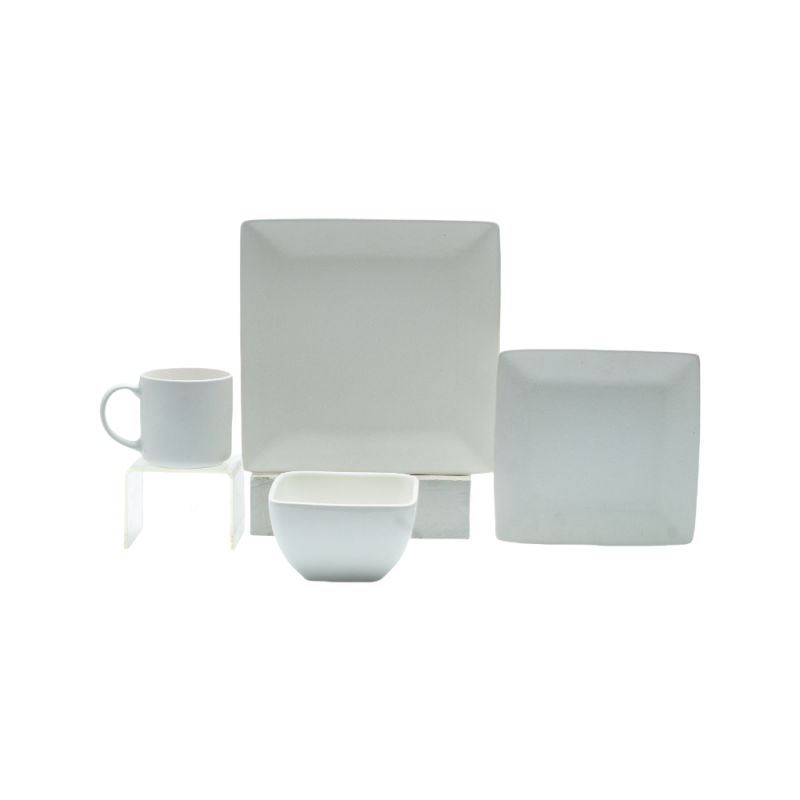
Products in this guide: White Ceramic Dinnerware Sets · Minimalist White Square 4-Piece Porcelain Dinnerware Set
Where This Fits in the Sourcing Chain
Buyer type shapes everything downstream: which samples matter, which documents are required, how approvals are signed and how repeat orders behave. See the full ceramic sourcing process map. Before you enter any negotiation, knowing which of the two buyers sits across the table tells you what the whole conversation will be about.
The Importer & Distributor Conversation
Importers and distributors live on the difference between the ex-works price and the landed cost of what they sell. Their business model rewards range — more SKUs, more styles, more price points — because they serve many downstream customers who each want something slightly different.
- Decision chain. Usually short and commercial: an owner or a buying manager who moves quickly when the numbers work. Decisions turn on price, volume and reliability of delivery, in that order.
- What they watch. Unit price, container efficiency, assortment flexibility, MOQ per style, and how fast a new design can be produced for their catalogue.
- Negotiation centre. Price per unit and payment terms. They will ask for tiered pricing by volume and will hold you to the packing and loading data you quoted, because their margin is built on those numbers.
- What they fear. Margin erosion from hidden costs — volumetric-weight surprises, packaging they cannot reuse, or a design that sells once and cannot be repeated.
The conversation with an importer is a numbers conversation. Bring clean data: CBM per carton, units per container by cup type, and honest MOQ math per SKU.
The Chain & Brand Conversation
Chains and brands buy the same mugs for a different reason: the mug is part of a customer experience they repeat across many locations. Their risk is not margin on one container — it is a shelf or a store that does not match the standard they promised.
- Decision chain. Longer and procedural: a procurement team, a spec owner, sometimes a head-office approval plus regional rollout. Buying decisions often follow a vendor qualification and an approved sample standard.
- What they watch. Consistency across delivery batches, food-contact compliance for every market they operate in, packaging that survives their distribution, and a factory that can keep supplying as they open more locations.
- Negotiation centre. Specification and supply security before price. They will negotiate price, but only after the spec, the certification documents and the delivery schedule are settled — and they expect written answers, not verbal ones.
- What they fear. Batch-to-batch drift that a customer notices, a certification gap discovered mid-rollout, or a supplier who cannot scale with their store count.
The conversation with a chain or brand is a systems conversation. Bring the spec file, the compliance documents, the production calendar and a consistent-reference story — then the price conversation becomes the last item, not the first.
Where the Two Conversations Meet
- Both want the same factory honesty, but they test it differently: the importer checks your numbers, the chain checks your consistency.
- Both scale, but on different clocks: the importer scales SKU by SKU as orders repeat; the chain scales location by location as stores open.
- Both sign approvals, but with different weight: the importer's approval frees a container; the chain's approval frees a long-term supplier relationship.
Common Mistakes Factories Make With Mixed Buyers
- Quoting an importer a chain-style volume price that assumes a stable repeat forecast, then renegotiating when the repeat does not come.
- Selling a chain like an importer — leading with price — while their spec team still has unanswered questions about compliance and consistency.
- Promising the importer flexible low MOQs and the chain a locked spec with the same production line, then discovering the two promises collide.
- Treating every inquiry as a single container sale, when one of the two buyers is quietly evaluating you as a long-term source.
How Storiware Runs Both Conversations
Storiware separates the two tracks. Importers and distributors get honest per-SKU loading data, tiered pricing by volume and flexible MOQ combinations to build catalogues. Chains and brands get the consistency track: a sealed reference per design, food-contact compliance documents for the markets they serve, and a production calendar that shows how supply scales as they open more locations. One factory, two conversations — each with the documents and data that buyer actually decides on.
Buyer & Factory Checklist for a Clear First Conversation
- Identify which buyer type is talking before quoting
- Importer: prepare CBM, container math and tiered pricing by SKU
- Chain or brand: prepare spec file, compliance documents and consistency plan
- Confirm the decision chain and who signs the approval
- Ask what the buyer fears most — margin surprises or consistency drift
- Match your documents and data to that answer, not to your standard script
Two buyers walk into the same factory. The order goes to whichever supplier figured out which conversation they were having.
Related Products
Explore products featured in this guide:
Have questions? See our Sizes & Finishes FAQ and Ordering & Certifications FAQ.
Need a custom quote? Send an inquiry or browse our full product catalog.