
The Second Source: Building a Backup Factory Without Damaging Your Main Relationship
The Problem: One Factory Is One Point of Failure
A long relationship with a good factory is an asset — and it is also concentration. Fire, capacity crunch, ownership change, or simply a bad year: any of these can leave a buyer with committed customers and no goods. Most buyers handle this risk in one of two unhelpful ways. They ignore it, and discover the exposure the week the main factory says "not this quarter." Or they hunt a backup in secret, the main factory finds out, and the trust that took years to build takes a permanent dent. A second source is worth having — but only if it is built deliberately and honestly. This guide is about the order in which to do it.
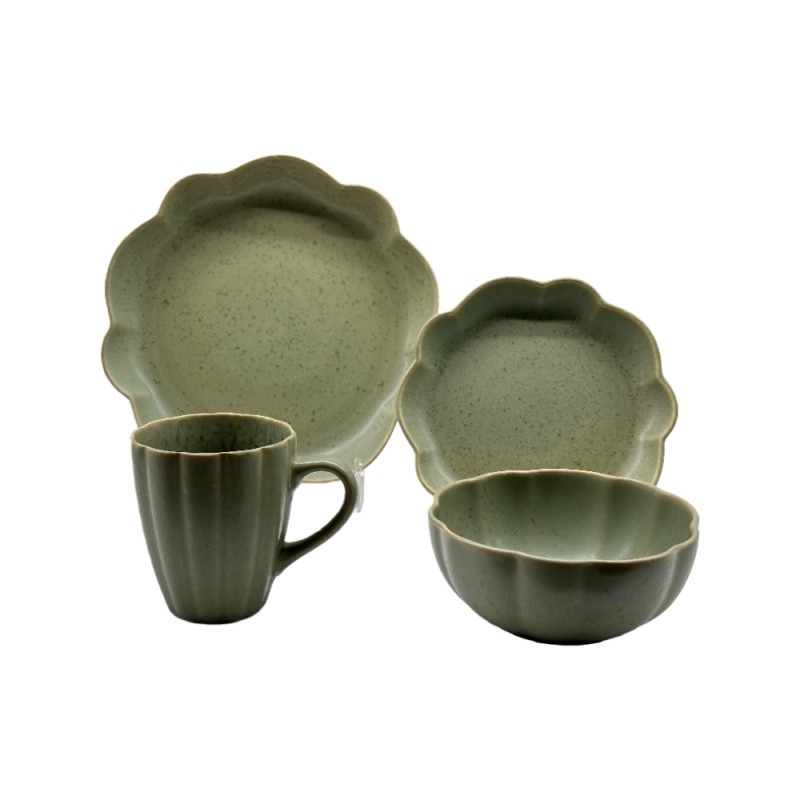
Products in this guide: Vintage Blue & White Porcelain Dinnerware Set · Artisan Green Stoneware Tableware Set 4 Piece
Where This Fits in the Sourcing Chain
A backup factory is qualified the same way the first one was: by seeing it in person before trusting it with volume. The annual factory visit guide explains what to inspect on site. And it enters through the same door — a complete inquiry, not a vague chat. The container inquiry checklist shows how to get that first quote right. This guide is about sequencing that qualification without upsetting the relationship that pays the bills. See the full ceramic sourcing process map.
When a Second Source Actually Makes Sense
Not every buyer needs one, and spreading orders thin creates its own problems. The triggers that justify the work:
- Concentration risk. One factory supplies the majority of your range, and a stoppage would stop your sales, not just one SKU.
- Seasonal peaks beyond one factory's floor space. If your peak orders already strain the main factory's kilns, a second source turns a negotiation into a plan.
- Category expansion. You are adding product types the main factory does not make well — the second source starts as a specialisation, not a threat.
- Customer concentration. A single large customer demanding supply security is a legitimate reason both factories will understand.
The Honest Way to Build It
- Start with standard, non-conflicting products. Qualify the backup on catalog items or standard shapes that do not carry your custom tooling or artwork. The main factory sees a small order, not a theft of its designs.
- Tell the main factory, in the right frame. The message is capacity planning, not betrayal: "Our volume is growing and we are qualifying an additional supplier for overflow and continuity — you remain our primary partner." Factories hear this constantly from serious buyers; what they resent is discovering it from a packing carton.
- Run the full qualification, not a shortcut. The backup gets the same sequence as any supplier: inquiry, samples, a trial order at real volume, receiving inspection on arrival. A backup that has never run a real order is a phone number, not a plan.
- Split by product line first, by volume second. The cleanest dual-sourcing starts as specialisation — each factory owns the products it does best. Volume splitting on identical SKUs comes later, if ever, and only when both factories can match the same spec.
Common Mistakes When Adding a Second Source
- Using the main factory's quotes to squeeze the backup, then wondering why neither gives you their best price or their best kiln slots.
- Qualifying the backup only on price, without a factory visit or a trial at volume — and finding the gap at the worst possible moment.
- Handing your custom artwork and tooling specs to the backup casually, before any relationship or agreement justifies it.
- Splitting identical SKUs between two factories before either can match the same approved reference — and receiving two different products under one code.
How Storiware Fits Into a Sourcing Portfolio
Storiware treats overflow and continuity buyers the same as primary partners: the inquiry, sampling and trial-order path is identical, and a trial order gets real production attention rather than leftover capacity. For buyers whose main factory cannot cover a peak or a category, the factory quotes standard items first — products that do not require moving someone else's tooling — and builds from there. A second source that starts honestly tends to become a first source somewhere else in the range; that is how most long relationships in this industry actually begin.
Buyer Checklist for Building a Second Source
- Trigger identified: concentration, peak capacity, category gap or customer requirement
- Qualification started on standard products, without custom assets
- Main factory told — framed as continuity planning, not as a threat
- Full path run: inquiry, samples, trial order at volume, receiving inspection
- Factory visit done before any volume commitment
- Custom artwork and tooling shared only when the relationship justifies it
A second source is insurance you build before the fire, not during it. Built in the open, on standard products and a real trial order, it adds resilience without costing you the relationship that got you here.
Related Products
Explore products featured in this guide:

Have questions? See our Sizes & Finishes FAQ and Ordering & Certifications FAQ.
Need a custom quote? Send an inquiry or browse our full product catalog.