The Chain Compliance File: How LFGB & FDA Dossiers Work Across Locations
The Question Is Not Whether You Have a Certificate
A chain buying ceramic mugs for stores in four countries does not ask "do you have a certificate?" — it asks "where is your compliance file, who updates it, and can every one of my locations open the same documents?" Food-contact rules differ by market, and a chain's compliance team cannot chase a separate document set per store. What they need from a supplier is a compliance dossier built as a file system: structured, reusable and kept current. This guide explains what that dossier contains and how it works across locations.
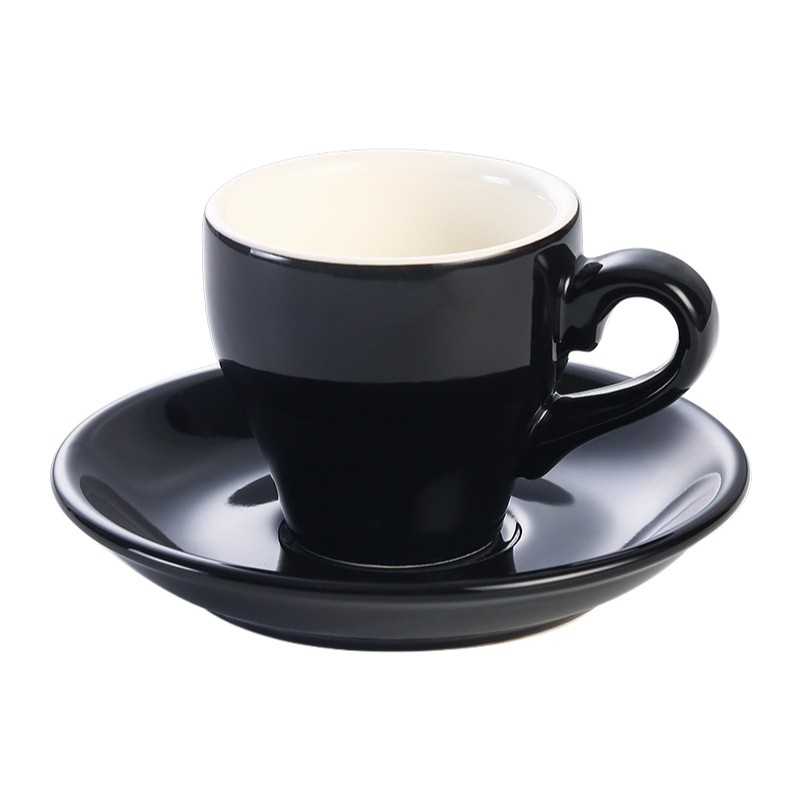
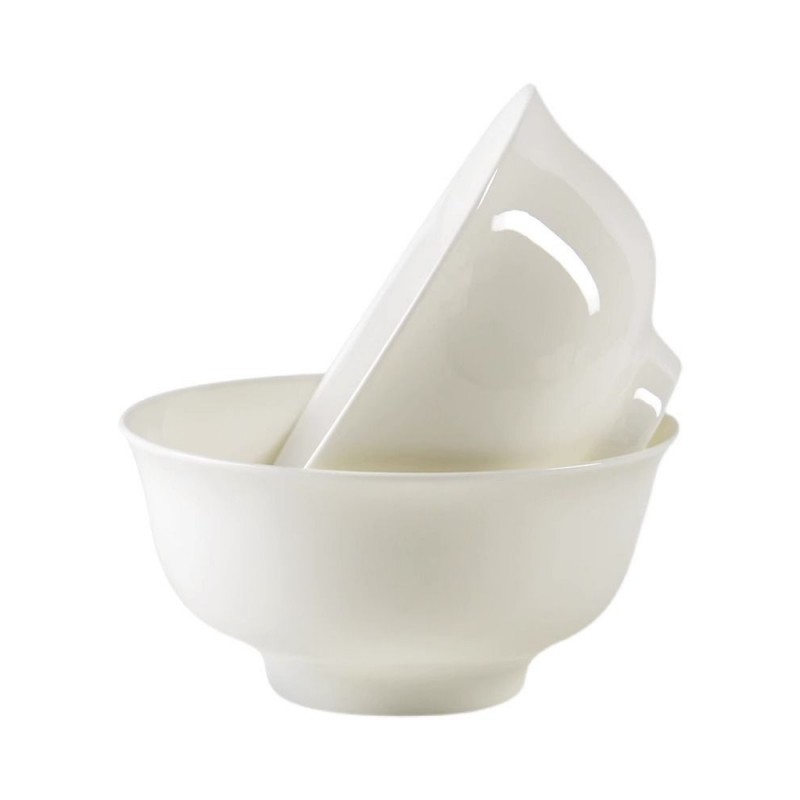
Products in this guide: Espresso Cup And Saucer Set · Bone China Rice Bowl Set
Where This Fits in the Sourcing Chain
Compliance is part of the consistency conversation chains and brands run — the two-buyer guide and the chain rollout guide both touch it. See the full ceramic sourcing process map. This guide goes into the document system itself: what a chain expects on file, and how a supplier keeps one dossier serving many stores and markets.
How a Chain Thinks About Compliance Files
To a chain, compliance is a risk file that opens in three places at once:
- At qualification. Before you are approved as a supplier, the compliance team reviews your dossier for the markets they currently serve.
- At rollout. When a store opens in a new country or region, the local file must open cleanly — the same dossier, re-checked against that market's requirements.
- At audit. Regulators, franchisees and internal auditors ask for the same documents on a cycle. A supplier whose file is structured answers in hours; a supplier whose file lives in email attachments answers in weeks.
What a Supplier Compliance Dossier Should Contain
A reusable dossier is organized so anyone can find the current version of each document:
- Test reports for food-contact materials. The reports that apply to ceramic tableware in your target markets, with the lab, the test standard and the date visible on the first page.
- A declarations page. A clear statement of what the products are made of and what they are declared to comply with. Chains copy this page into their own vendor files.
- Product-to-report mapping. Which report covers which SKU. When one report covers a family of products — same clay body, same glaze line, same decoration method — the mapping shows the chain exactly what is covered and what is not.
- Material and process sheet. A plain-language description of clay, glaze and decoration inputs, so a new market's compliance review can start without interrogating the factory.
- Version and renewal log. What changed, when, and when each report was issued and when it is due for renewal. Chains need to see that the file is alive, not archived.
How One Dossier Works Across Locations
The value of a dossier is that it is reused, not recreated:
- Consolidation by material family. When several mug models share a clay body and glaze system, a single test program can cover the family. Ask the factory which of your SKUs can be consolidated, because fewer, broader reports are easier for a chain to manage.
- Same file, re-checked per market. The chain does not need a different document per store; it needs the same document validated against each market's rules. Your job is to keep the master file accurate so their local reviews can start from the same source.
- A renewal rhythm, not a one-time event. Test reports and declarations have validity in practice — rules and formulations change. Agree with the chain how often the dossier is refreshed and who initiates the renewal.
Common Mistakes Suppliers Make With Compliance Files
- Sending a scanned certificate as the whole answer, with no mapping of which products it covers.
- Letting the dossier age: a new glaze or a new decoration is introduced, and the report on file no longer describes what ships.
- Keeping the file in email chains so the chain's local teams each hold a different version.
- Promising compliance for markets the factory has never tested for, discovered only when a store opens there.
How Storiware Builds Compliance Dossiers
Storiware issues compliance documents as a structured file for ceramic orders: test reports for food-contact use in the target markets, a declarations page, and a product-to-report mapping that shows which SKUs each report covers. When several models share a clay body and glaze system, the factory can consolidate them under one test program so the chain carries fewer, broader documents. The dossier is maintained with a renewal log, so when a chain opens a store in a new market, the local review starts from a current file — not from a folder of outdated scans.
Supplier Checklist for a Chain-Ready Compliance File
- Test reports with lab, standard and date visible on the first page
- A declarations page chains can copy into vendor files
- Product-to-report mapping showing coverage for every SKU
- Material and process sheet in plain language
- Consolidated reports by material family where possible
- Version and renewal log kept current
- One master file, shared with the chain, not scattered in emails
A chain does not buy a certificate; it buys a file system it can open in any country, at any audit, on any day. Suppliers whose dossier is structured and alive stay on the approved list — the rest stay in the email thread.
Related Products
Explore products featured in this guide:
Have questions? See our Sizes & Finishes FAQ and Ordering & Certifications FAQ.
Need a custom quote? Send an inquiry or browse our full product catalog.