Supplying a Coffee or Restaurant Chain: From Pilot Store to Multi-Location Rollout
The Chain Sale Starts With One Store
Almost no coffee or restaurant chain buys a container of mugs for all its locations at once. The order starts small — a pilot store, a test menu, a soft launch — and only becomes a multi-location rollout after the pilot proves itself. For a ceramic supplier this is good news and a discipline: good news because the pilot is a low-risk door in; a discipline because everything you promise at the pilot stage will be measured across dozens of locations later. This guide maps the three stages of a chain order and what changes at each one.
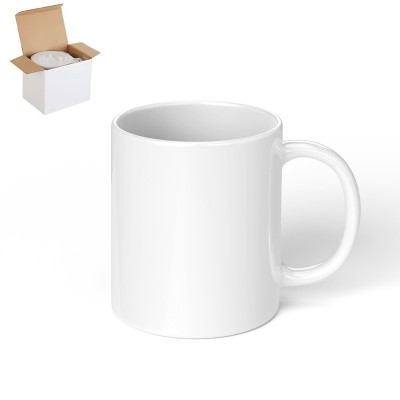
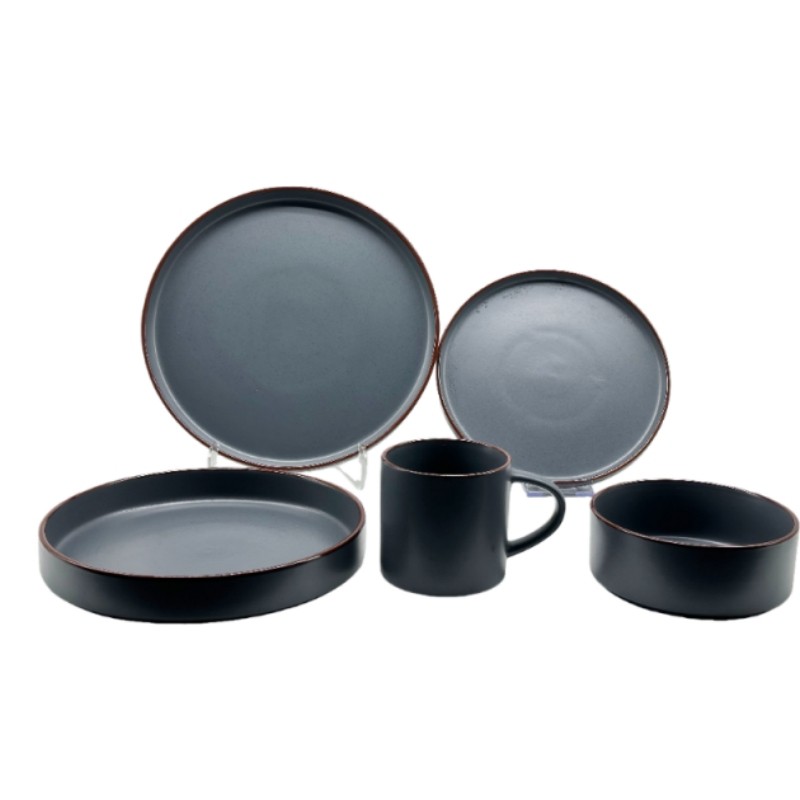
Products in this guide: 550ml Large Ceramic Breakfast Mug with Lid and Spoon · 5-Piece Matte Stoneware Dinnerware Set
Where This Fits in the Sourcing Chain
Chain supply sits on the buyer-type map alongside importers and distributors, but runs on a different clock. See the full ceramic sourcing process map. The conversation starts with specification and consistency, as covered in the two-buyer guide — this guide goes one step deeper into how a single store becomes many.
Stage One: The Pilot Order
The pilot is the chain's controlled test. It may be one store, one menu section, or a limited promotion. What the supplier must understand is that the pilot has two jobs: proving the product and proving the supplier.
- Small volume, high documentation. A pilot order of a few hundred pieces can require the same compliance file as a rollout of fifty stores. Prepare the full spec and compliance package even for the small order — the chain is testing whether you can produce documents as well as mugs.
- Consistency baseline. The pilot sets the reference that every later batch will be compared against. Keep the sealed sample, the glaze record and the firing program from the pilot batch; they are the standard for the rollout.
- Delivery to one address, on time. A pilot that arrives late poisons the test. Treat the small order with the scheduling seriousness of a large one.
Stage Two: The First Rollout Tranche
When the pilot works, the chain expands to a tranche of stores — often a region or a district. This is where volume jumps and where most supplier problems appear.
- Forecast transparency. Ask how many locations, what opening order per store, and what the replenishment cycle looks like. A rollout without a published schedule makes planning impossible.
- Batch-to-batch consistency. With stores comparing notes across a region, a glaze drift that would go unnoticed in a single container becomes visible in a week. Production must run against the pilot reference, not against a memory of it.
- Logistics structure. Multiple stores mean multiple delivery addresses and delivery windows. Clarify whether the chain consolidates to a distribution centre or expects direct-to-store delivery, because the two need different packaging and scheduling.
Stage Three: Multi-Location Replenishment
The mature stage is no longer about openings — it is about keeping dozens or hundreds of locations stocked with the same mug, indefinitely.
- Replenishment rhythm. Agree the order cycle and the buffer stock the factory should carry for the chain's SKUs. Chains reorder on a rhythm; a supplier who can hold a small buffer protects the chain from menu surprises.
- Breakage and spare allowance. Commercial ceramics break. Agree a realistic spare allowance per order so locations can replace broken pieces without waiting for a full reorder.
- Change management. When the chain updates a design, a logo or a size, the change must be scheduled across the whole network. Agree how version changes are communicated and phased, so old and new mugs do not mix on the same shelf.
Common Mistakes Suppliers Make With Chain Rollouts
- Quoting pilot pricing that assumes rollout volume, then trying to renegotiate when the rollout repeats the same design.
- Treating the pilot as a one-off sale and discarding the reference data — glaze batch, firing record — that the rollout will be measured against.
- Accepting direct-to-store delivery without asking about delivery windows, then discovering the stores only accept morning deliveries.
- Letting a design change slip into a replenishment order, creating two versions of the mug in the network at once.
How Storiware Supports Chain Rollouts
Storiware treats a chain order as a staged commitment, not a single sale. The factory keeps the pilot reference and glaze record on file, produces rollout tranches against that reference, and can hold buffer stock for agreed chain SKUs to support the replenishment rhythm. For multi-store delivery, packaging and scheduling are agreed around the chain's distribution model — consolidated or direct-to-store — so the mug that worked in the pilot is the mug that arrives at location fifty.
Supplier Checklist for Each Chain Stage
- Pilot: full spec and compliance package, even for small volume
- Pilot: sealed sample, glaze and firing record kept as the reference
- First tranche: published store schedule and opening order per store
- First tranche: consistency checks scheduled against the pilot reference
- Delivery model agreed: consolidated distribution centre or direct-to-store
- Replenishment: order cycle and buffer stock agreed before the rollout scales
- Change management: version updates phased so old and new never mix
The chain sale is a staircase: pilot, tranche, replenishment. Suppliers who climb it one documented stage at a time keep the account; suppliers who treat the pilot as the whole sale rarely see the second order.
Related Products
Explore products featured in this guide:

Have questions? See our Sizes & Finishes FAQ and Ordering & Certifications FAQ.
Need a custom quote? Send an inquiry or browse our full product catalog.