Set Logic: How Many Pieces Make a Ceramic Set That Actually Sells
The Problem: A Set Is a Promise About How People Live
When a customer picks up a ceramic set, they are not counting pieces — they are imagining an occasion. Two mugs say "coffee for two." A four-piece bowl-and-plate set says "dinner for one, done properly." A twelve-piece dinner set says "we are setting up a home." Buyers who treat piece count as a packaging detail end up with sets that answer questions nobody asked: a six-piece breakfast set in a market that eats dinner from it, or a twelve-piece service in a gift channel that tops out at boxed pairs. This guide works through the logic from the other direction — occasion first, piece count second — and then covers what set sizes do to pricing, packaging and container space.
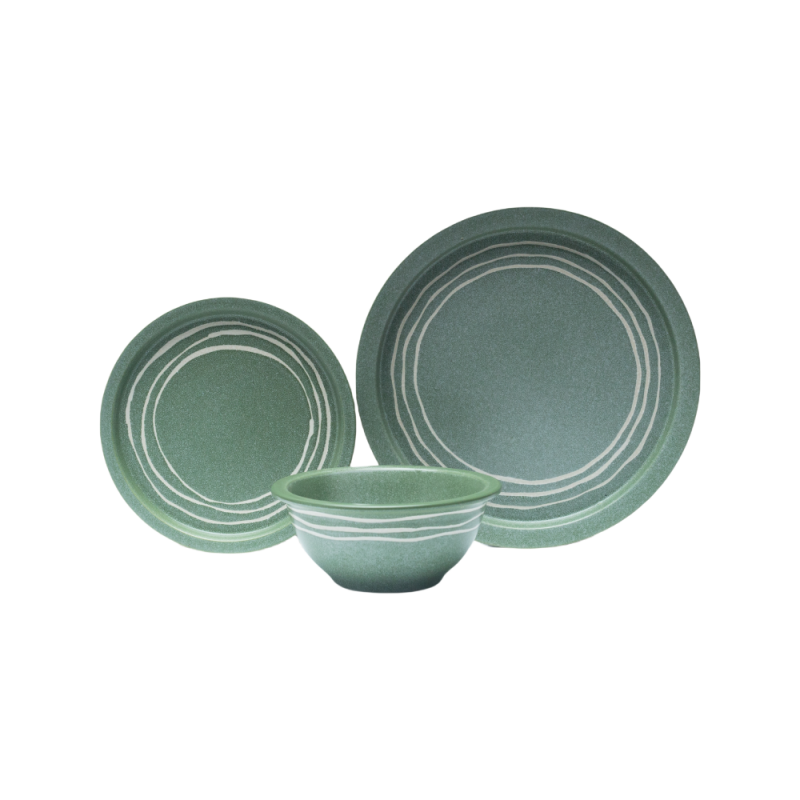
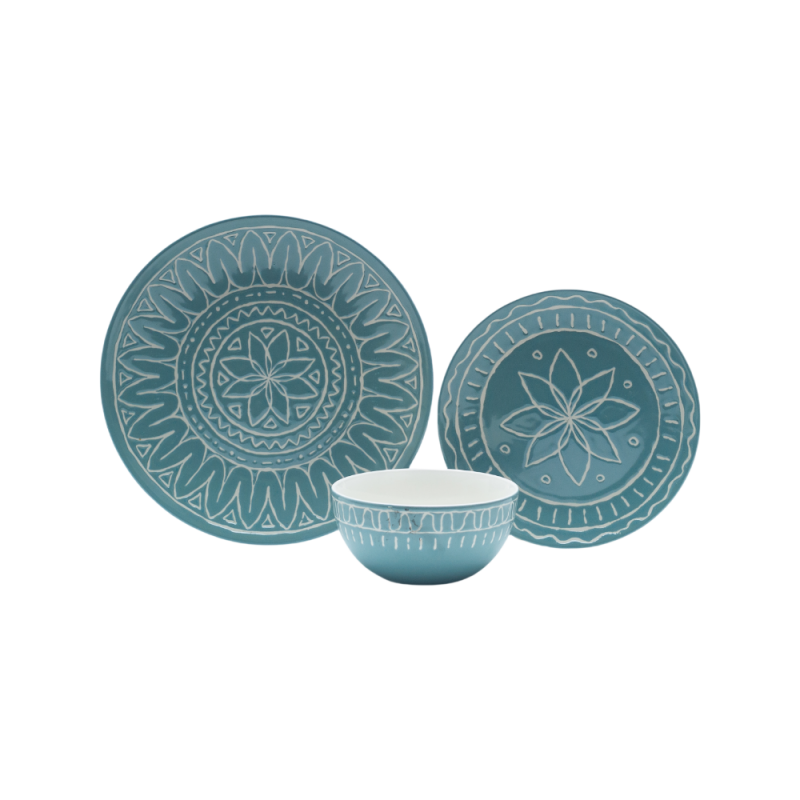
Products in this guide: Handcrafted Green Stoneware 3-Piece Set · Boho Style Hand-Painted Ceramic Dinnerware Set
Where This Fits in the Sourcing Chain
Every set decision feeds back into what you ask the factory to quote, which is why the multi-SKU quote should be built on a proper inquiry checklist. The container inquiry checklist shows how to get that first quote right. Keeping several SKUs of one family coherent across orders — same glaze reference, same box spec — is exactly the kind of documentation an order dossier is for. The order dossier guide explains how every order document lands in one record. And the overall flow from quotation to repeat program follows the standard sourcing map. See the full ceramic sourcing process map.
The Occasion Map: Which Count Sells Where
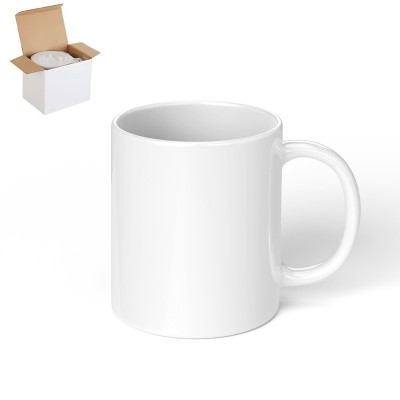
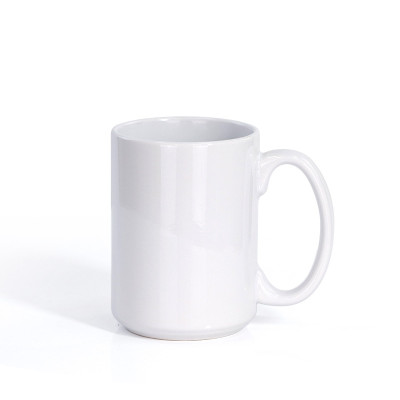
- Two-piece (pairs). The purest gift format: his-and-hers mugs, a cup-and-saucer duo. It fits gift channels, hotel retail corners and checkout-adjacent displays. Price sensitivity is high, so decoration carries the value — plain pairs struggle.
- Three-piece (mug + plate + bowl). The modern "meal for one" answer. Strong with urban retailers and e-commerce, where single-person households and small kitchens are the norm. It photographs well as a complete place setting, which matters more online than in-store.
- Four-piece (service for one or a boxed family). Versatile but ambiguous — make sure your packaging states clearly whether it is a place setting or a starter kit. Ambiguity kills conversion at this size.
- Six-piece and eight-piece (service for two). The housewarming and wedding zone. Buyers here expect box quality as part of the product; a premium set in a weak box loses the sale at the shelf.
- Twelve-piece and up (full service). Department stores, homeware chains and bridal registries. The set must be genuinely complete — the classic failure is a "16-piece" set whose component ratios do not add up to a real table. Check the arithmetic: how many dinner plates, side plates, bowls, mugs per person, and does each person's setting match?
What Set Sizes Do to Your Economics
Piece count multiplies everything: box cost, packing labour, breakage exposure per unit, and the shelf space each SKU consumes. Two consequences matter most. First, sets change the container maths. Nested tableware packs efficiently, but boxed sets with air in the packaging can quietly double the carton volume of the same ceramics sold open-stock — worth checking before you commit a container to a boxed program. Second, sets concentrate risk. One cracked bowl in an open-stock shipment is one replacement; one cracked bowl inside a sealed twelve-piece gift box can be a returned set. Set programs therefore justify tighter packing standards and clearer quality clauses than open stock does.
The Two Mistakes That Leave Sets Unsold
The first is count-first thinking — deciding "we need a twelve-piece" and working backwards, instead of naming the occasion and letting it dictate the count. The second is one-set-per-family: a strong colour story offered in a single piece count reaches only the customers whose occasion matches. The professional pattern is a family of glazes and decoration offered across two or three counts — pairs for gifting, three-piece for modern retail, a full service for the registry channel — so the collection meets the customer at whichever life event they are shopping for.
Related Products
Explore products featured in this guide:


Have questions? See our Sizes & Finishes FAQ and Ordering & Certifications FAQ.
Need a custom quote? Send an inquiry or browse our full product catalog.