Mug Supplier vs Manufacturer vs Factory: What's the Difference for Bulk Buyers?
Mug Supplier vs Manufacturer vs Factory: What's the Difference for Bulk Buyers?
Every week, buyers ask us the same question: "Are you a supplier, a manufacturer, or a factory?" On paper they sound interchangeable. In practice, the words describe three very different ways of working, with different implications for pricing, quality control, lead times, and how much control you actually have over your product.
This guide breaks down the three models, shows you how to tell which one you are talking to, and helps you decide which partner is right for your mug project.
Why the Label Matters More Than You Think
The word a company chooses is not just marketing. It signals what they actually control:
- A factory owns the production line. Clay, kilns, glazes, printing — it all happens under their roof.
- A manufacturer may or may not own a factory. The term usually means a company that manages production, whether in-house or through contracted plants.
- A supplier (sometimes called a trader or trading company) sources products from factories and resells them. They may never touch a piece of clay.
None of these models is inherently good or bad. The problem is when buyers assume all three are the same — and then discover too late what they actually signed up for.
What a Factory Really Is
A factory is a production facility. When a factory says "we make mugs," they mean the physical transformation happens on site: raw materials in one end, finished ceramics out the other.
The main advantage of working directly with a factory:
- Lower unit cost. No middle layer. The factory quotes the price they actually produce at, plus a margin.
- Direct quality control. You can audit the production line, watch your order being made, and adjust specs on the spot.
- Faster iteration. If a glaze shade is off or a handle shape needs tweaking, the fix goes straight to the people who can change it.
The trade-offs:
- Higher minimums. Factories need volume to keep lines running. Small trial orders may be expensive or refused.
- Less commercial support. A factory excels at production, not at helping you plan a product range, manage logistics, or navigate export paperwork.
- Language and communication gaps. You may be dealing directly with plant staff rather than a bilingual sales team.
What a Manufacturer Really Is
A manufacturer is a company that produces goods — but the word is used loosely. Some manufacturers own their factories. Others design and engineer products, then outsource physical production to plants.
In the ceramic mug world, a manufacturer usually offers more than raw production:
- Product development and design input
- Decoration services: printing, glazing, decals
- Quality inspection and packaging
- Export documentation
A good manufacturer acts as a bridge between your brand and the production floor. You get factory-level pricing for the most part, plus a layer of engineering and commercial expertise.
The risk: some companies call themselves manufacturers but are actually trading companies with a nice website. Always verify by asking which plant produces your product — and whether you can visit or audit it.
What a Supplier or Trading Company Really Is
A supplier sources products from multiple factories and resells them. They are valuable for buyers who need:
- A wide catalog. One supplier can offer mugs, plates, bowls, and sets from several factories, so you don't need to manage multiple vendors.
- Flexible small quantities. Suppliers often work with lower MOQs by combining orders across clients.
- One point of contact for logistics, documentation, and troubleshooting.
The trade-offs are real:
- Higher price per unit — the supplier's margin sits on top of the factory price.
- Less control over production. You can request changes, but the supplier must relay them to the factory, which can slow things down and create miscommunication.
- Variable quality control. The supplier's QC depends on how strictly they inspect at the factory.
How to Tell Who You Are Really Talking To
You cannot judge from a website alone. Ask these questions before you commit:
- Do you own your own production line? A factory answers yes and can name its equipment. A manufacturer may say "we work with partner plants." A supplier usually says "we cooperate with several factories."
- Can I visit your factory or audit it? A real factory will welcome this. A trading company without a plant will be vague.
- Show me your production area. Ask for photos or video of the actual production floor, kilns, and printing area — not just a showroom.
- What is your MOQ? Very low MOQs often signal a trader aggregating orders, not a factory.
- Can I see your export documents? Real producers can show customs records, quality certificates, and shipping history.
Which Model Is Right for Your Project?
| Your situation | Best partner | Why |
|---|---|---|
| Large order, need lowest cost, willing to manage details | Factory | No middle margin, direct QC |
| Mid-size order, need design help and export support | Manufacturer | Production plus commercial expertise |
| Small order, need variety, want one contact | Supplier | Flexible MOQs, wide catalog |
| Promotional one-off or seasonal test | Supplier | Combine orders, low risk |
| Building a long-term branded program | Manufacturer or factory | Control over quality and iteration |
Red Flags to Watch For
Whatever label a company uses, these warning signs should make you pause:
- The label and the reality don't match. A "factory" that cannot name a single machine or kiln is not a factory.
- Rock-bottom prices with no explanation. Suspiciously low quotes often mean quality will be cut somewhere you cannot see.
- No quality inspection process. Ask how defects are caught before shipping. A serious producer has an AQL inspection plan.
- No sample policy. A partner that avoids sending samples, or charges an inflated sample fee, is not confident in their own product.
Why Storiware Ceramic Mugs Fits the Manufacturer Model
Storiware Ceramic Mugs operates as a manufacturer: we manage the full production process with our partner production facilities, from clay selection and shaping to glazing, decoration, and packaging. That means you get:
- Design and engineering support before production
- Clear communication in English from one dedicated point of contact
- Sample-based quality approval before bulk runs
- Export documentation and logistics handled for you
In other words, you get factory-level control over your mugs without having to manage a factory yourself. Whether you need a few hundred promotional mugs or a full container of custom drinkware, the process starts the same way: tell us your design, and we will show you what is possible.
Summary
Supplier, manufacturer, and factory are not synonyms. A factory produces, a manufacturer manages production, and a supplier resells. The best choice depends on your order size, your need for design support, and how much control you require.
Before you place a bulk mug order, ask the five verification questions in this guide. A few minutes of due diligence will save you from months of quality headaches. And if you want a partner who combines production control with commercial support, Storiware Ceramic Mugs is ready to help.
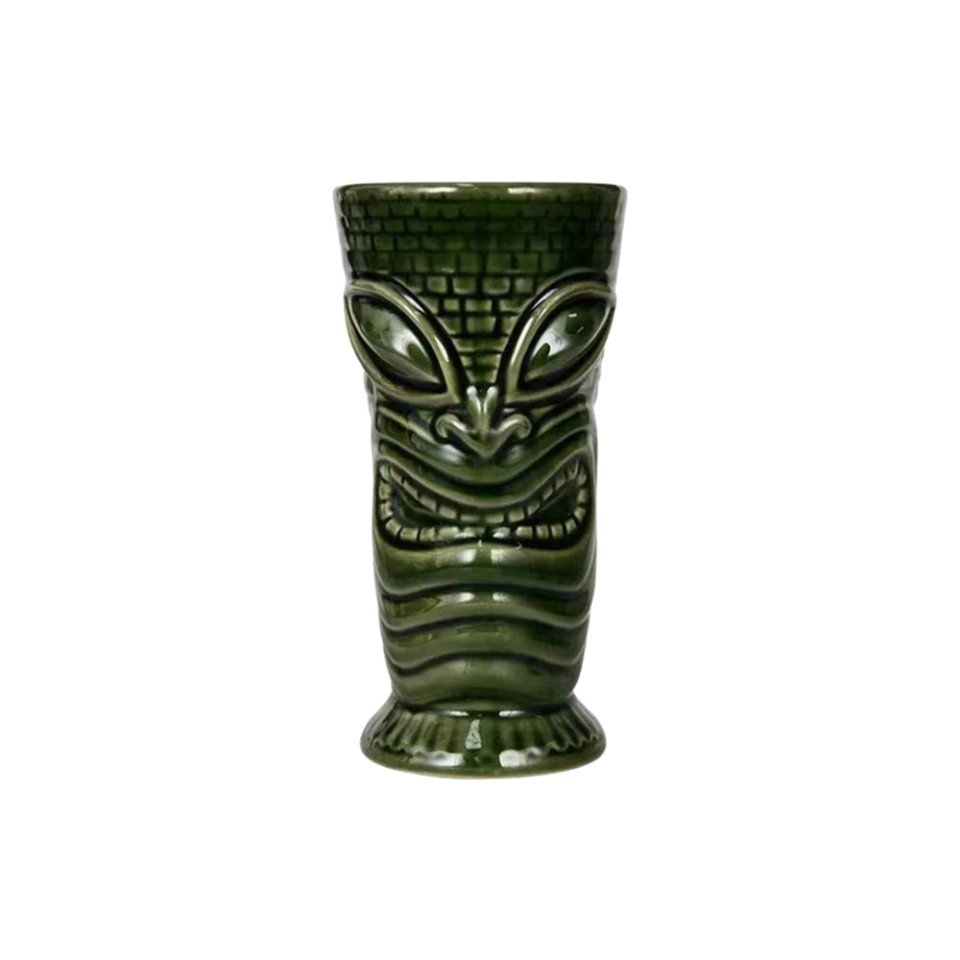
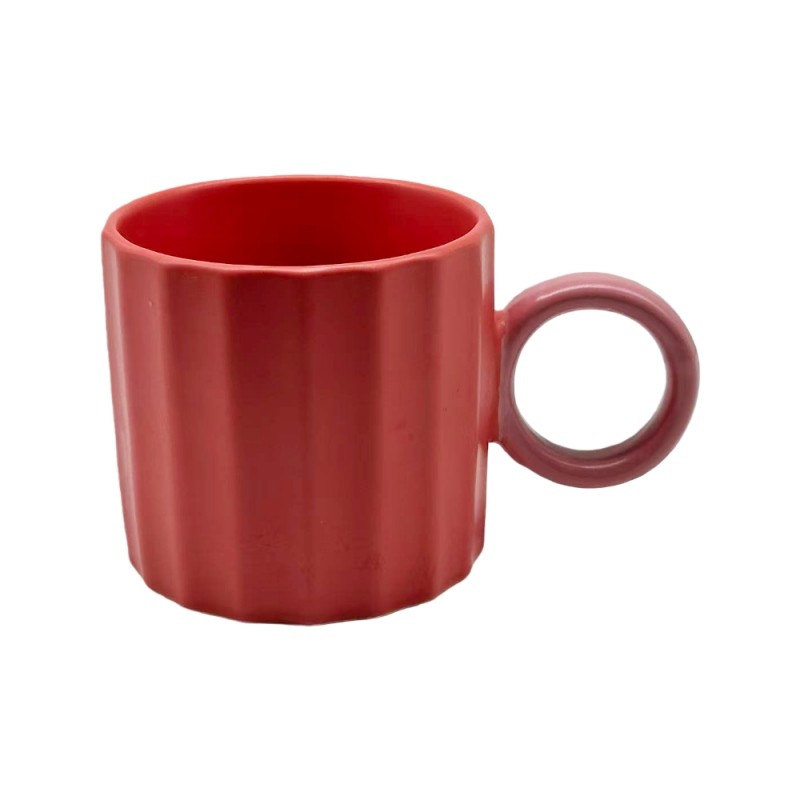
Featured Mugs from Storiware Ceramic Mugs
Explore products featured in this guide:
Related guide: BSCI, SEDEX & SMETA Audits
Need a custom quote? Send an inquiry or browse our full product catalog.