BSCI, SEDEX and SMETA: The Social Compliance Audits EU and US Buyers Expect
The Invisible Requirement in Every EU and US Tender
You can spec the perfect mug — the right clay, glaze, capacity and price — and still lose the order to a factory with a worse product and a better audit report. Social compliance audits (BSCI, SEDEX/SMETA) have become a de facto qualification for supplying EU and US retailers and brands. They are not about product quality; they are about how the factory treats its workers, and for an increasing share of buyers, an unaudited factory is simply not an option. This guide explains what these audits actually are, why buyers ask for them, and how to use audit reports when choosing a supplier.
What BSCI, SEDEX and SMETA Actually Are
BSCI (Business Social Compliance Initiative). A framework run by amfori, widely used by European retailers. Factories are audited against BSCI's Code of Conduct covering child labor, forced labor, working hours, wages, health and safety, and environmental standards. The result is a grade from A to E — A being outstanding, E being critical issues found. Many EU retail programs require a minimum grade (commonly C or better) before a factory can be approved as a supplier.
SEDEX (Supplier Ethical Data Exchange). A data-sharing platform that lets buyers access factory audit and self-assessment information in one place. SEDEX itself is not an audit; it is the system through which SMETA audits are shared.
SMETA (Sedex Members Ethical Trade Audit). The audit methodology used within SEDEX. SMETA reports cover four pillars: labor standards, health and safety, environment, and business ethics. SMETA reports are the most commonly shared audit format among European and increasingly US buyers.
The practical difference. BSCI gives you a grade; SMETA gives you a detailed report with corrective action plans. Some buyers accept either; many EU programs specify one. Ask which format your target market expects before you qualify suppliers.
Why Buyers Require Them
Retailer and brand policy. Large EU and US retail groups publish supplier codes of conduct and require proof of compliance — an audit report is the proof. Without one, a factory cannot even enter many vendor portals.
Legal and reputational risk. Importers face legal exposure for forced labor in supply chains (with modern-slavery legislation in several markets) and reputational damage from scandals. An audited factory with a documented corrective-action history transfers some of that risk off the buyer.
Audit as quality signal. While audits are not product inspections, a factory that maintains compliance documentation and passes audits usually runs better overall operations — better record-keeping, cleaner facilities, more disciplined management. It correlates with product consistency.
How to Read an Audit Report
1. Check the grade or verdict. BSCI grades A-E; SMETA reports give a result and list findings. A clean first audit is rare; what matters is the corrective action plan and its closure status.
2. Look for critical findings. Child labor, forced labor, and serious health-and-safety violations are red lines. Any critical finding means the factory needs urgent remediation — or disqualification, depending on your policy.
3. Check the audit date. Audits expire or age. A report from two years ago tells you little about today; ask whether the audit is current and whether there has been a follow-up.
4. Verify the audit body. Not all audits are equal. Check who conducted it (a recognized audit firm) and whether it was announced or unannounced — unannounced audits are generally more reliable.
5. Confirm scope. A report covering only part of the factory or a related entity does not cover your production line. Confirm the audit covers the site and processes you will actually use.
What the Factory Should Provide
When a supplier says "we are BSCI/SEDEX certified," ask for: the current audit report (not a certificate number), the grade/result, the corrective action plan status, the audit date and body, and the scope of the audit. A factory with an A or B grade, a current audit, and a clean or well-closed corrective action history is a serious compliance partner. A factory that hesitates to share the report is a compliance risk regardless of what its product looks like.
The Buyer's Compliance Checklist
- Know which format your market expects: BSCI, SMETA, or either.
- Set a minimum acceptable grade (e.g., BSCI C or better) before shortlisting.
- Verify the report is current, covers the right site, and has no open critical findings.
- Confirm corrective actions are being closed and ask for the follow-up.
- Treat compliance as part of the commercial conversation — a factory that invests in audits is signaling it wants long-term, serious buyers.
An Audited Factory for Long-Term Programs
For buyers running EU or US programs, an audited factory removes a whole category of risk before the first sample. Our factory maintains current social compliance documentation, shares audit reports on request, and treats compliance as part of the quote — not an afterthought. If your market requires BSCI or SMETA, ask us for the report with your RFQ; if you are unsure which standard your buyer needs, tell us the market and we will point you to the right format.
"Compliant Tableware from an Audited Factory"
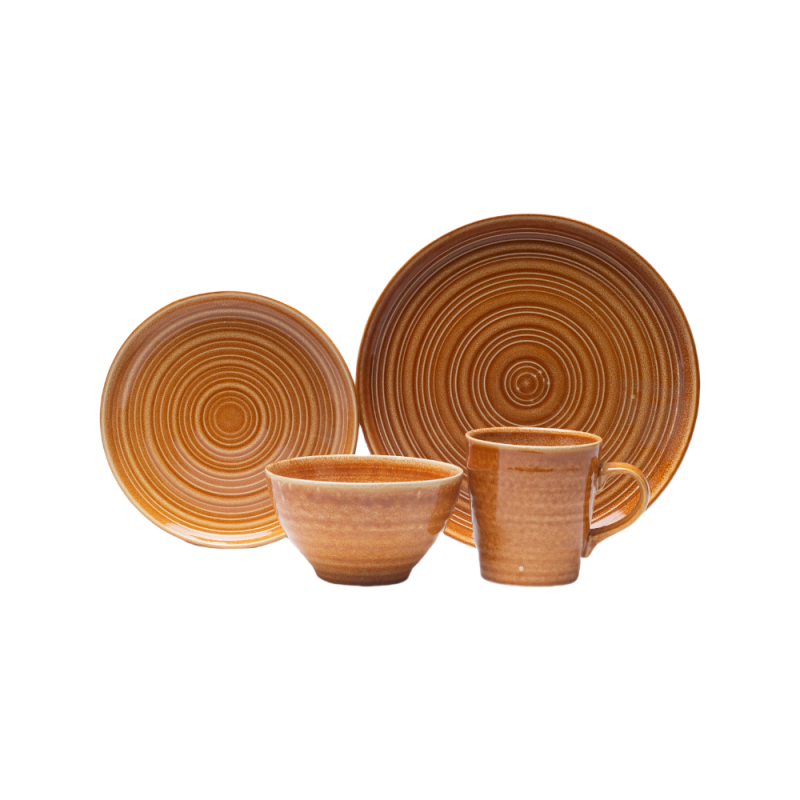
Explore products featured in this guide:

Have questions? See our Sizes & Finishes FAQ and Ordering & Certifications FAQ.
Need a custom quote? Send an inquiry or browse our full product catalog.