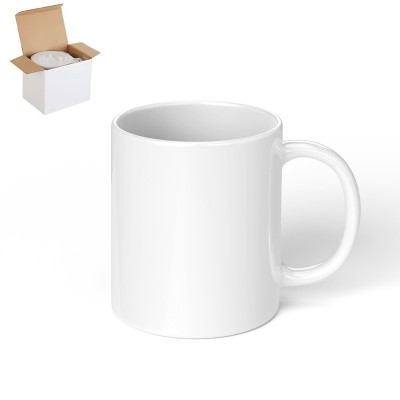
Mixing One Container: How Importers Combine SKUs Without Breaking the Loading Plan
Why a Single Container Often Holds Several Stories
An importer rarely wants just one product in a 40HQ. The most common real request is: "Ship my best-seller, add the new shape we discussed, and throw in a small batch of the plain line to fill the space." On paper that is efficient. In practice, mixing SKUs is where many loads go wrong — not because mixing is hard, but because the plan was never written down. This guide shows how to combine SKUs without breaking the loading plan, the pallet stack, or the paperwork your broker reads at the destination.
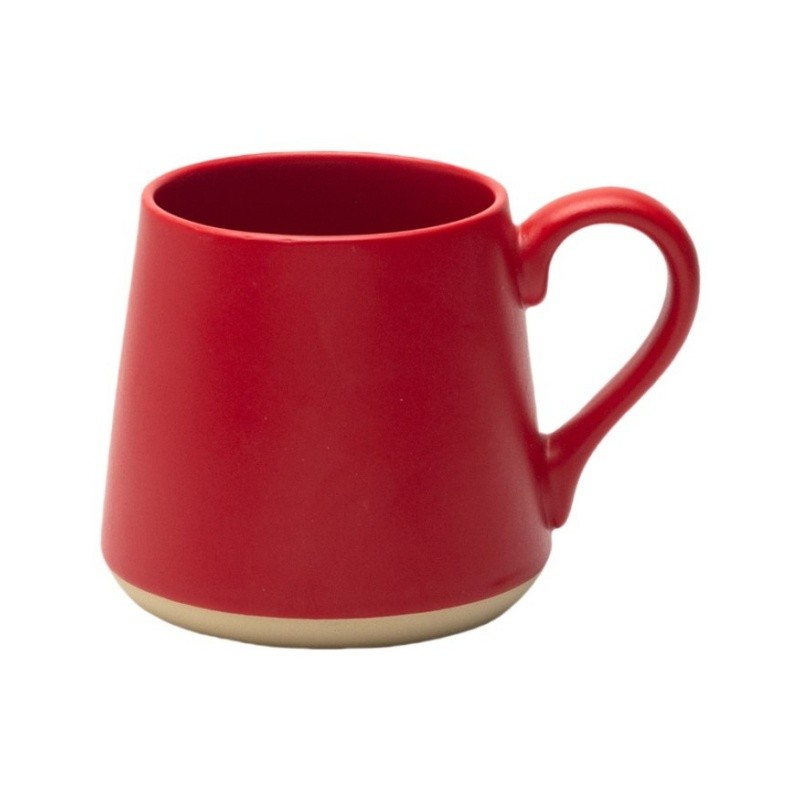
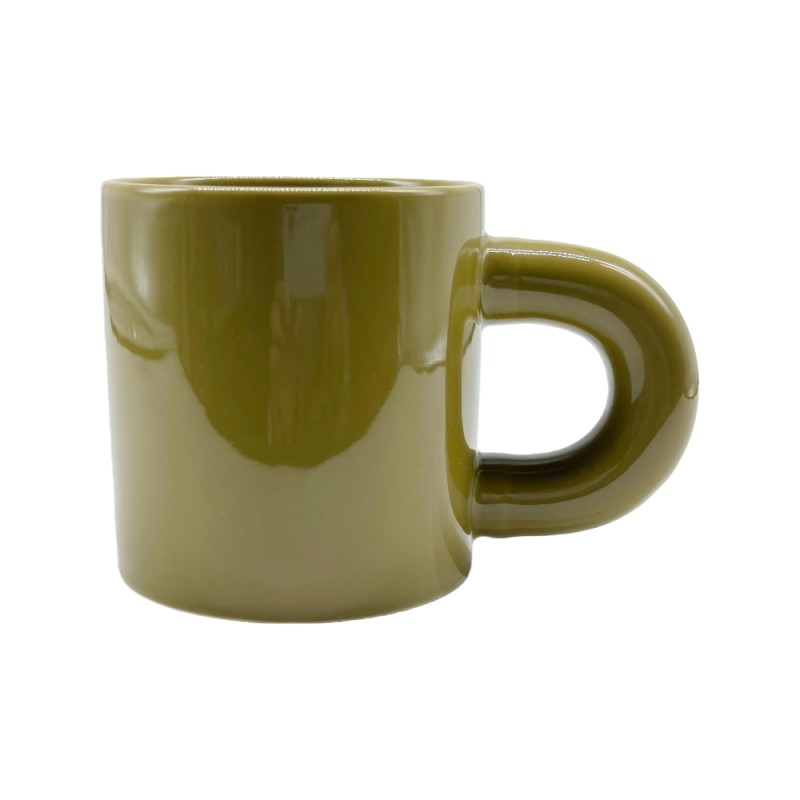
Products in this guide: 500ml Stoneware Ceramic Mug · 650ml Large Ceramic Coffee Mug
Where Mixing Fits in the Sourcing Chain
Container planning is the final physical step before goods leave the factory. See the full ceramic sourcing process map. Once sampling, production, and inspection are done, loading is the only variable left. Mixing simply means that one variable now carries several product lines instead of one, so the same discipline applies — only with more numbers to track.
The Three Mixing Logics Buyers Use
Most mixed containers fall into one of three patterns:
- Anchor plus filler. A proven best-seller carries the volume; a lower-MOQ filler SKU absorbs the leftover space so you do not pay for a half-empty container.
- Margin mixer. Pair a standard plain line with a higher-margin decorated or larger format, so the same shipment balances turnover and profit.
- Market tester. Load a small batch of a new shape alongside the core range to read demand in the market without committing to a second shipment.
None of these is "better" — the right mix is the one your shelf space, cash flow, and sales timeline actually support.
MOQ Interaction: The Number That Decides the Mix
Every SKU has its own minimum order quantity. Mixing does not erase that. A 40HQ that looks full on volume can still leave one SKU below its MOQ, which means either a reorder or a shorted line. State your quantities per SKU, not just a grand total, and ask the factory to confirm each SKU clears its minimum before you book the container.
Keeping the Load Stable
Carton shape decides how cleanly a mixed load stacks. A few rules keep the load from being rejected at the port:
- Group cartons by footprint on the pallet; a matching footprint stacks far tighter than mixed sizes.
- Avoid placing tall cartons over short ones — uneven stacks shift in transit.
- Plan the pallet count so the final layer still fits the container height, not just the floor area.
- Put the stacking plan in writing and attach it to the packing list.
What Mixing Changes at the Destination
More SKUs means more lines on the packing list and the commercial invoice. Customs may sample more HS lines, so a consistent description and a declared value per SKU help the shipment clear. The whole load still travels under one bill of lading; the document your broker actually reads is the factory's packing list, so its accuracy is not optional.
Common Mistakes Buyers Make
- Assuming a "full" container means every SKU cleared its MOQ.
- Mixing carton sizes with no stacking plan, which produces an unstable, rejected load.
- Splitting one SKU across two pallets without marking it, causing count errors at delivery.
- Forgetting that each added SKU adds paperwork and inspection lines, not only freight.
Working With Storiware on a Mixed Load
Storiware models a mixed-SKU 40HQ from your per-SKU quantities and carton specs, then returns a per-pallet plan and one consolidated packing list. The aim is a single load you can defend line by line — every SKU accounted for, every pallet documented, every number traceable back to the inquiry.
Buyer Checklist Before You Confirm a Mixed Container
- Per-SKU MOQ confirmed and ordered quantities meet it
- Carton footprints grouped for clean stacking
- Pallet and stacking plan requested in writing
- Packing list shows each SKU on its own line
- Target port and container type fixed
- Ask the factory for a consolidated packing list draft before booking
With these in hand, mixing SKUs becomes a planning exercise, not a gamble.
Related Products
Explore products featured in this guide:
Have questions? See our Sizes & Finishes FAQ and Ordering & Certifications FAQ.
Need a custom quote? Send an inquiry or browse our full product catalog.