
Import VAT and Duty Deferment: Managing the Cash Flow on Ceramic Imports
The Problem: The Tax Is Recoverable, the Cash Is Not
On most ceramic imports there are two charges that behave differently from everything else on the invoice. Duty is a genuine cost. Import VAT is normally recoverable — the importer pays it at the border and reclaims it through the periodic tax return. That distinction matters commercially: a large order can require the importer to fund a sum considerably bigger than the goods, weeks before any of it comes back. On heavy, bulky, low-value cargo the tax base is inflated by freight, so the working capital gap can be disproportionate to the margin on the order. Buyers who plan for this arrange the mechanisms in advance; buyers who do not discover that a profitable order has quietly become a cash-flow problem. This guide explains the mechanisms and the preparation they require.
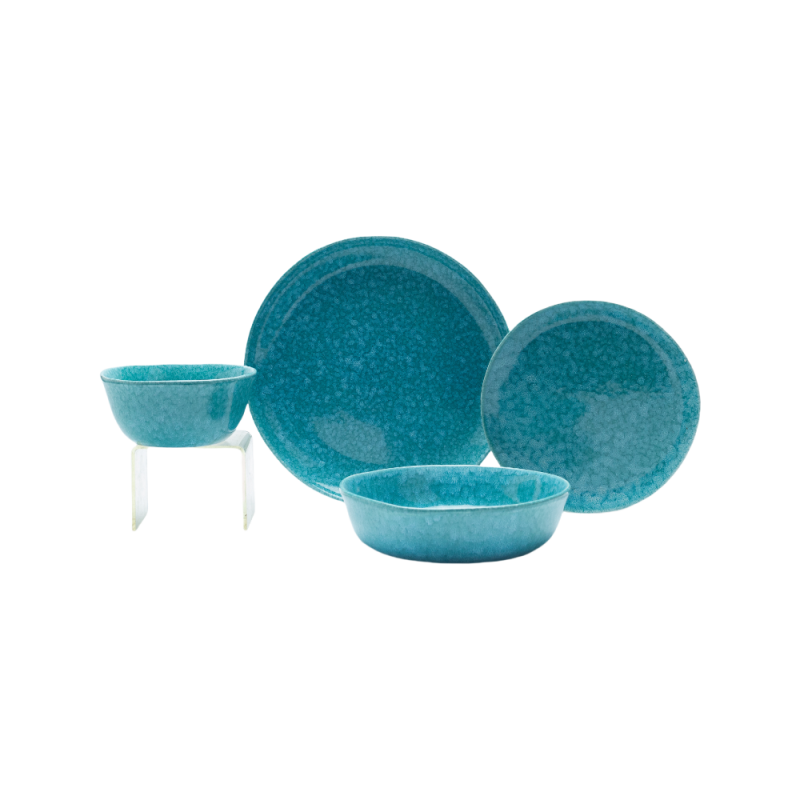
Products in this guide: 4-Piece Teal Blue Crystalline Glazed Stoneware Dinnerware Set · Vintage Floral Yellow Glazed Stoneware Bowl & Plate Set
Where This Fits in the Sourcing Chain
Import tax sits at the arrival point, alongside clearance and the charges that punish delay. The demurrage and customs delay guide explains how arrival costs stay predictable. The broker or forwarder is the party who operates these mechanisms on your behalf. The freight forwarder guide explains how to choose and manage the logistics partner. And the paperwork that supports them is the same shipment file used for every other purpose. The shipment file guide explains how to read inspection reports and transport documents. The full chain follows the standard sourcing map. See the full ceramic sourcing process map.
The Mechanisms Buyers Actually Use
Four structures appear repeatedly across markets, though the names and details differ.
Paying at import and reclaiming through the return. The default position: the broker pays duty and VAT to release the goods, and the importer recovers the recoverable portion in the next periodic filing. Simple, but it puts the gap on the importer's balance sheet for the length of the filing cycle.
Postponed accounting. In some markets the VAT on imports can be accounted for through the tax return rather than paid at the border, which removes the cash gap on the VAT element entirely. Availability and conditions are set by the tax authority of each market.
A deferment account or guarantee. A facility agreed with the customs authority — often supported by a bank guarantee or deposit — that allows duty and tax to be settled on a periodic cycle rather than shipment by shipment. It converts many small payments into one predictable payment and reduces the time goods sit waiting for funds.
A fiscal representative or local agent. Where the importer is not established in the destination market, some markets require a local representative to act on their behalf. This is an appointment, not a workaround — and it should be made deliberately, with the liability and fee structure understood.
Why It Changes How You Size Orders
The mechanisms change the economics of order frequency. If every arrival triggers a payment at the border, batching deliveries into fewer, larger shipments reduces the number of payment events — but increases the size of each one and lengthens the time the stock sits. If a deferment facility is in place, more frequent arrivals become practical, which shortens the pipeline and reduces the amount of stock financed. The working-capital answer and the logistics answer are therefore linked, and the annual review is the natural place to look at both together. The annual price review guide explains how renegotiation works with data.
What Has to Be Set Up in Advance
None of this can be arranged on the day a container lands. Four things belong in the preparation list. A broker instructed to use the chosen mechanism, with the authorisation in place. The deferment or postponed-accounting facility approved by the authority, which takes time and, in some cases, a guarantee. A fiscal representative appointed where the market requires one. Records that reconcile, since the mechanism shifts when tax is paid, not whether it is accounted for. Buyers who set these up once, at the start of a program, stop thinking about the subject — which is the objective. Mechanism-level detail, thresholds and eligibility differ by market and are set by each authority; confirm the current position for your destination rather than relying on a precedent from another market.
The Habit That Ties It Together
The habit is to treat import tax as a planning item rather than a surprise invoice: know which portion is recoverable, know which mechanism you are using, and know what the gap costs you between payment and recovery. Programs that do this choose their order rhythm on purpose. Programs that do not find that the cheapest freight decision can be the most expensive cash decision.
Related Products
Explore products featured in this guide:



Have questions? See our Sizes & Finishes FAQ and Ordering & Certifications FAQ.
Need a custom quote? Send an inquiry or browse our full product catalog.