European Tableware Standards: LFGB, Sustainability & Design
European Tableware Standards: LFGB, Sustainability & Design
Europe is one of the most rewarding markets for ceramic tableware — and one of the most demanding. Buyers there expect more than good looks: they expect documented food safety, responsible production, and design that fits the market.
This guide covers the standards that matter for selling ceramic tableware in Europe, what buyers will ask for, and how to prepare.
The Compliance Baseline: LFGB and EU Food Contact Rules
The European market enforces strict limits on substances that can migrate from ceramics into food. Two frameworks matter most:
LFGB. The German Food and Commodities Act is the benchmark many European buyers request. Its Section 30/31 testing confirms that food-contact materials do not release harmful substances. A passing LFGB test report is often the single most important document a European buyer asks for.
EU food contact regulations. The broader EU framework sets limits for lead and cadmium migration from ceramic articles. Compliance is verified through testing against the relevant EU standards, and buyers expect test reports as standard practice.
What to prepare: Have test reports ready before quoting. European buyers ask for documentation at the tender stage, not after — arriving without it slows the whole sales process.
Why Lead and Cadmium Limits Matter
The migration limits for lead and cadmium are the technical heart of European compliance:
- Limits are set per the article type — plates, cups, and serving pieces may have different thresholds.
- Testing measures how much migrates into food simulants, not just total content.
- Repeated-use ceramics (everyday tableware) face stricter thresholds than decorative-only items.
A factory that tests its glazes and firing process can document compliance confidently. One that cannot will struggle to win European retail and hospitality accounts.
Sustainability: The Second Requirement
Sustainability is increasingly a purchasing condition, not a preference, for European buyers:
Recyclable and reduced packaging. Buyers ask about packaging materials, recycled content, and whether packaging can be recycled or composted. Excess plastic is a growing deal-breaker.
Responsible sourcing. Questions about where clay and glazes come from, labor practices, and energy use in production are now common in RFQs.
Durability as sustainability. Longer-lasting products are framed as sustainable — less breakage, fewer replacements. Durable, repairable tableware has a built-in environmental story.
What to prepare: Document your packaging materials, offer reduced-packaging options, and be ready to talk about production practices honestly.
Design Expectations in Europe
Beyond compliance, design drives the European market:
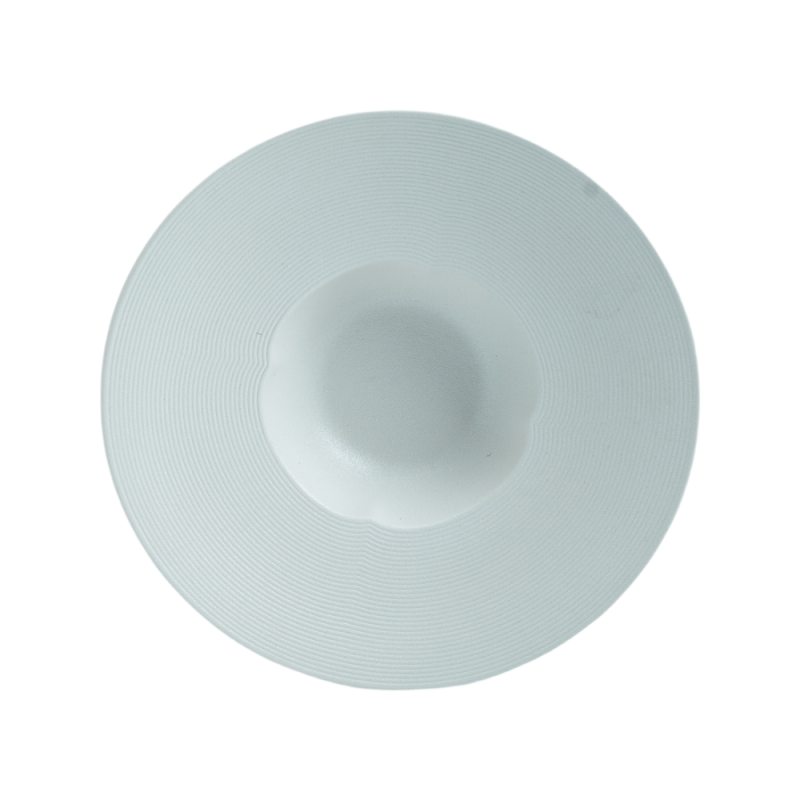
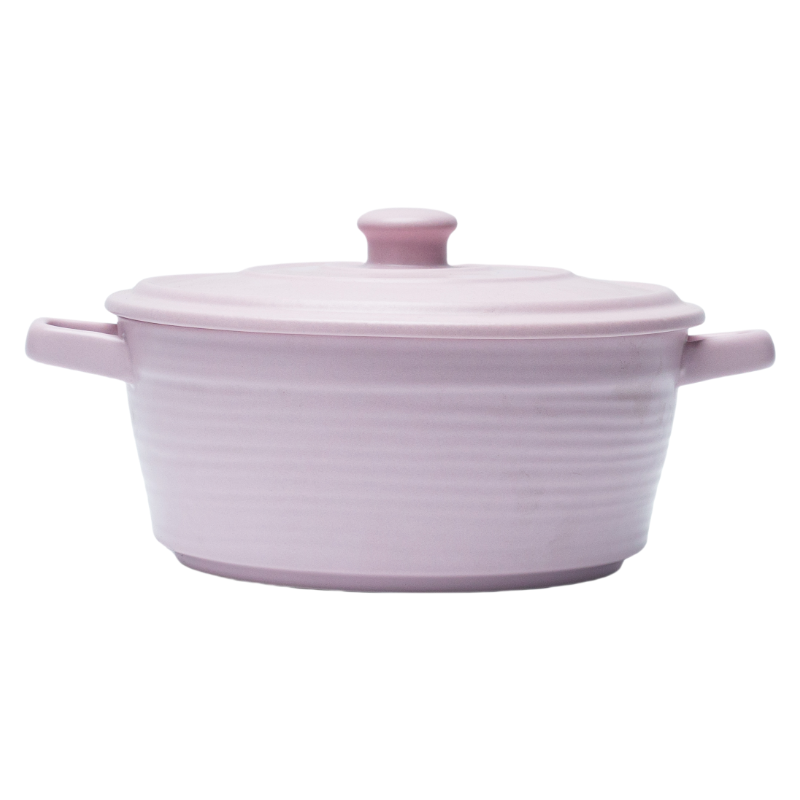
- Natural and matte finishes. Low-saturation earth tones, matte glazes, and visible texture lead the current aesthetic.
- Minimalist shapes. Clean lines and simple silhouettes read as premium.
- Heritage patterns for tea service. Classic European tea and dinner patterns still have a strong following.
- Mix-and-match flexibility. European retail buyers value sets that work together across a range.
The Buyer Checklist
| Item | Why it matters | Action |
|---|---|---|
| LFGB test report | The benchmark European buyers request | Have it ready at quoting |
| EU lead/cadmium migration tests | Legal and retail requirement | Document compliance |
| Packaging materials info | Sustainability is a condition | Provide recycled/reduced options |
| Sourcing and production details | RFQs increasingly ask | Prepare honest answers |
| Design range | European aesthetic is specific | Lead with matte/natural designs |
Working with Storiware Ceramic Mugs
Storiware Ceramic Mugs produces food-contact ceramics that meet European expectations, with testing and documentation support for the EU market.
When you sell into Europe with us:
- We provide food-safety test documentation, including LFGB-compliant options
- Our packaging can be specified for reduced and recyclable materials
- Our range includes matte and natural finishes that fit European aesthetics
- We support heritage patterns and custom decoration for tea and dinner service
Summary
Selling ceramic tableware in Europe means mastering three things: documented compliance (LFGB and EU food contact rules), a credible sustainability story, and design that fits the market.
Prepare test reports early, reduce your packaging footprint, and lead with the finishes European buyers already want. And when you are ready to sell into Europe, Storiware Ceramic Mugs is here to help you meet every standard.
Featured Tableware from Storiware Ceramic Mugs
Explore products featured in this guide:
Related guide: Kids' Ceramic Tableware Safety
Need a custom quote? Send an inquiry or browse our full product catalog.