Kids' Ceramic Tableware Safety: Lead & Cadmium Standards Every Buyer Must Check
Children's Tableware Is Held to a Higher Bar
A mug for adults is a drinking vessel. A mug for a child is a safety decision. Children drink more, weigh less, and their bodies absorb heavy metals more readily — which is why lead and cadmium limits for children's ceramic tableware are dramatically stricter than for adult ware, and why buyers who source kids' mugs and bowls need a different checklist. A supplier's "food-safe" claim for adult products does not automatically cover children's products. This guide explains the standards that apply, the checks that matter, and how to buy kids' ceramics without the risk.
The Lead and Cadmium Math for Kids
The science in one line. Lead and cadmium migrate from ceramic glazes and decorations into food, especially acidic food and hot drinks. Children are more vulnerable because their bodies absorb a higher share of ingested lead and their developing nervous systems are more sensitive to it.
Why kids' limits are stricter. Most national standards set the same migration limits for all food-contact ceramics — but the practical exposure calculation for children (smaller body weight, higher consumption per kilogram) means buyers and brands targeting children apply tighter internal limits, and some markets apply child-specific rules. The safe approach: require migration test results that meet the strictest applicable standard, and treat children's ware as a separate compliance category from adult ware.
The Standards Checklist
US market. FDA regulations govern ceramic food-contact surfaces. Beyond federal rules, California Proposition 65 sets an extremely low lead warning threshold — many US retailers apply Prop 65 compliance as a de facto standard for children's tableware. Ask for test reports against the current limits, not a generic "FDA compliant" statement.
EU market. LFGB (Germany) is the reference food-contact standard across much of Europe and is widely required by EU buyers. The EU's overall food-contact framework (Regulation (EC) 1935/2004 and the ceramics-specific Directive 84/500/EEC with its 2005 amendment) sets migration limits for lead and cadmium that manufacturers must document.
Child-specific frameworks. Beyond general ceramics rules, some markets apply tighter limits or additional requirements for products marketed to children. When in doubt, ask your supplier which standard they test to for children's ware specifically — a straight answer here separates serious factories from the rest.
The Physical Safety Checks
1. Edge and rim safety. Kids' cups and bowls get dropped, chewed and handled roughly. Check that rims are smoothly finished — no sharp edges, no glaze defects at the lip where small hands (and mouths) meet the cup.
2. Capacity that matches age. A 150ml kids' cup suits toddlers; larger formats suit older children. Capacity is also a practical safety feature: an oversized adult mug is heavy and hard for a child to handle, increasing spills and the chance of burns from hot drinks.
3. Thermal safety. Children's cups are often used for warm (not boiling) drinks, but confirm the mug is comfortable to hold when filled — thick walls and a well-sized handle reduce burn risk and spill risk.
4. Handle strength. Kids pull, twist and drop. A child's mug handle needs a solid join and no sharp undercuts — the same handle-strength check you would run for commercial ware, applied with extra margin.
5. Dishwasher durability. Kids' tableware gets washed constantly. Confirm the decoration and glaze survive repeated dishwasher cycles without fading, chipping or leaching — and that the decoration is underglaze or food-safe overglaze, never a surface paint that can wear.
What to Ask the Supplier
- "What lead and cadmium migration limit do you test to for children's tableware?" — you want a number and a standard, not a sentence.
- "Can you provide the test report for this exact item and decoration?" — reports must cover the actual product and decoration, not a generic material test.
- "Is the decoration underglaze or food-safe?" — the answer determines long-term safety and durability.
- "What is the rim and handle construction for this kids' line?" — you want the physical specs, not a photo.
- "Do you treat children's ware as a separate compliance category?" — this reveals whether the factory understands the difference or lumps everything into "food-safe."
Buy the Category, Not the Container
Kids' ceramic tableware is not adult ware in a smaller size — it is a separate product category with stricter compliance, different physical specs and a higher duty of care. The right supplier confirms migration test reports against the strictest applicable standard, treats children's ware as its own compliance category, and can show physical specs for edge, handle and capacity — not just pretty product photos. Our kids' range is produced and tested with exactly this checklist in mind. If you are sourcing children's mugs or bowls, send us your target market; we will provide the compliance documentation and the physical specs that make the decision easy.
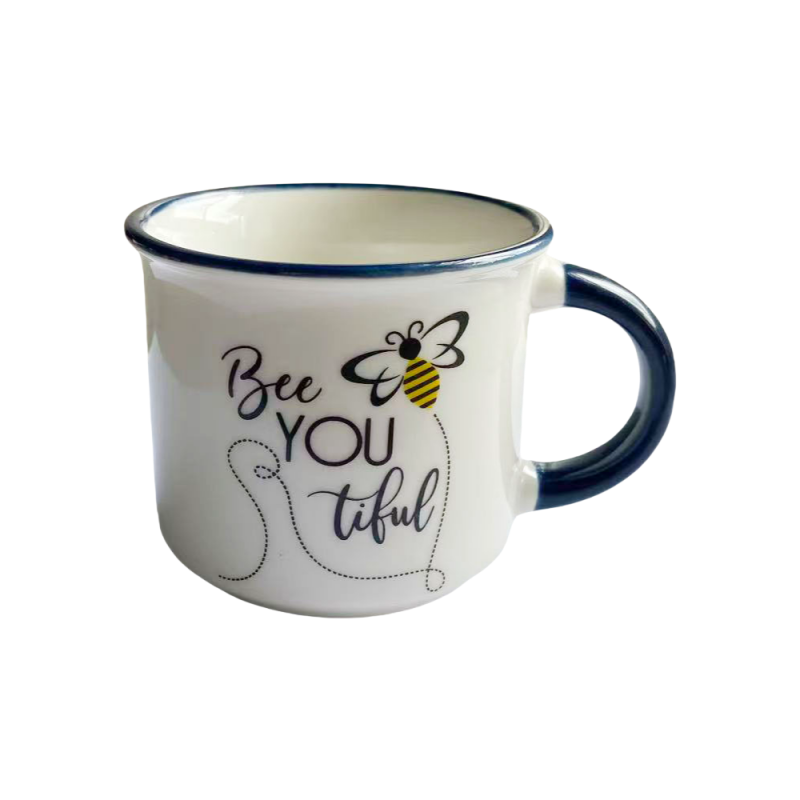
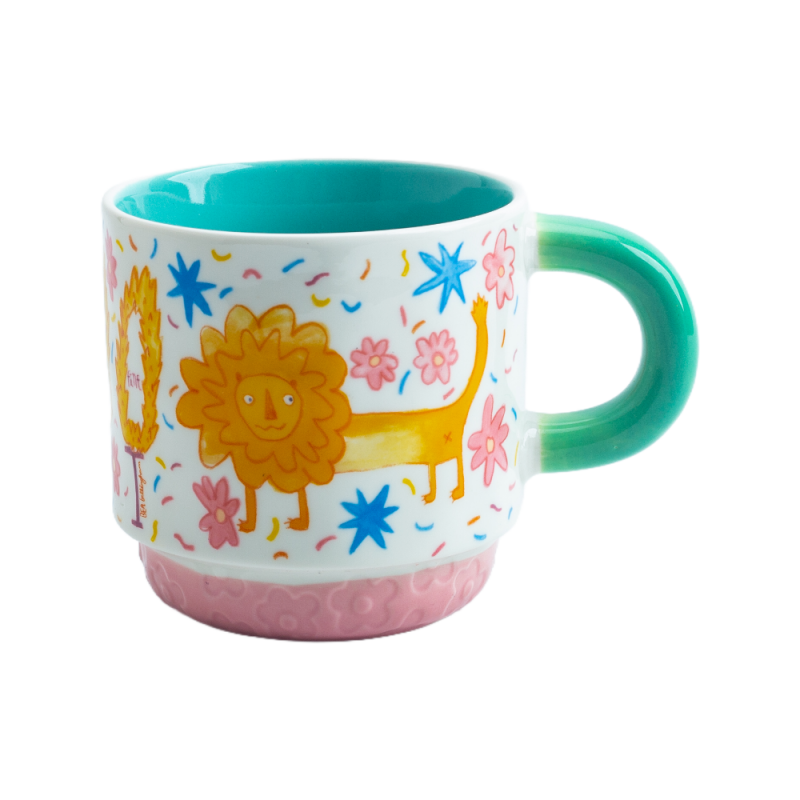
"Kid-Friendly Ceramic Pieces"
Explore products featured in this guide:
Have questions? See our Sizes & Finishes FAQ and Ordering & Certifications FAQ.
Need a custom quote? Send an inquiry or browse our full product catalog.