EU Anti-Dumping 79% on Chinese Ceramics: What It Means for Your Mug Budget
The Tariff Shock That Changed EU Ceramic Sourcing
Since February 7, 2026, the EU anti-dumping duty on household ceramics imported from China has jumped from 17.93-36% to a uniform 79%. The news moved fast, orders paused, and EU buyers who source mugs, plates and bowls from China suddenly face a cost wall they did not budget for. This article explains what the duty actually means for your mug orders, where the price increase lands, and the three strategies buyers are using right now to protect their margins.
What Actually Changed
- The duty: EU anti-dumping rate on Chinese household ceramics raised to a flat 79% (from 17.93-36% by company).
- The trigger: an EU investigation found continued "dumping" margins; the measure is designed to protect EU producers.
- The effect on the ground: overseas orders for Chinese-made tableware were paused in the weeks after the announcement as buyers re-quoted.
- The industry response: leading Chinese manufacturers are shifting production to Vietnam (where exports to the EU enjoy zero tariff) — one major group's Vietnam base goes into production in H2 2026.
For the buyer, the arithmetic is brutal but simple: a mug whose landed cost used to include ~20% duty now carries ~79%. That is a price step that no supplier discount can fully absorb.
Where the Price Increase Actually Lands
| Cost layer | Before (typical) | After (illustrative) |
|---|---|---|
| Ex-works price (mug) | $1.20 | $1.20 (no change — FOB price is not the duty) |
| Anti-dumping duty (EU) | ~20% | 79% |
| Duty per mug | $0.24 | $0.95 |
| Landed cost increase | — | +~35-45% on the duty-affected portion |
Two clarifications buyers miss:
- The duty applies to the CIF value, not just the product. Freight and insurance are inside the dutiable base, so the 79% hits a bigger number than the ex-works price.
- Not every product code is affected. The measure targets household ceramics (tableware, kitchenware). Check the CN code of your specific item — specialty and non-household ceramics may fall outside it.
Three Strategies Buyers Are Using Now
Strategy 1 — Shift production to Vietnam (or wait for the shift).
Chinese factories with Vietnam bases are re-routing EU orders there: zero EU tariff, same Chinese management and quality systems. For buyers, this means the same supplier relationship with a different origin — but expect longer lead times during the transition and verify the actual origin certificate (a Vietnamese factory producing with Chinese raw materials still needs proper "made in Vietnam" origin proof).
Strategy 2 — Re-quote with the duty visible.
Ask every supplier for a line-by-line quote: ex-works, freight, insurance, duty, and a "landed Europe" total. The suppliers who show you the full picture are the partners worth keeping; the ones quoting a vague single price are hiding the shock until it hits your invoice.
Strategy 3 — Shift the product mix.
Premium and specialty items (custom glaze, decal, hand-decorated) carry higher margins that can absorb the duty better than plain commodity mugs. If your EU line is mostly plain white mugs, the 79% is brutal; if it is differentiated product, the duty is a smaller share of the final retail price.
What NOT to Do
- Do not silently absorb the duty — pass it through with transparency, or shift origin; absorbing 79% kills the margin of any commodity line.
- Do not accept "we'll label it from Vietnam" — origin fraud risks customs seizure, retroactive duty and a permanent audit flag. Use real origin, real paperwork.
- Do not panic-cancel existing orders — orders already in production or shipped before the change should be grandfathered; check with your forwarder on the exact date rules.
The Buyer's Action Checklist
- Confirm whether your CN code falls under the 79% measure (ask your forwarder or customs broker).
- Re-quote every active EU order with duty shown as a separate line.
- Ask your Chinese supplier whether they have (or plan) a Vietnam production base, and what the transition timeline is.
- Compare landed Europe: China + 79% vs Vietnam + 0% vs EU domestic — using real freight quotes, not assumptions.
- For differentiated products, re-baseline your retail margin against the new landed cost.
The 79% duty is a structural change, not a blip — EU ceramic sourcing has a new cost map. Buyers who re-quote, re-origin and re-mix now will protect margins through 2026; buyers who wait will absorb the shock on the invoice. Need a quote with the duty picture made visible? Tell us your EU market and product type — we will quote landed-Europe, with the tariff line shown, not hidden.
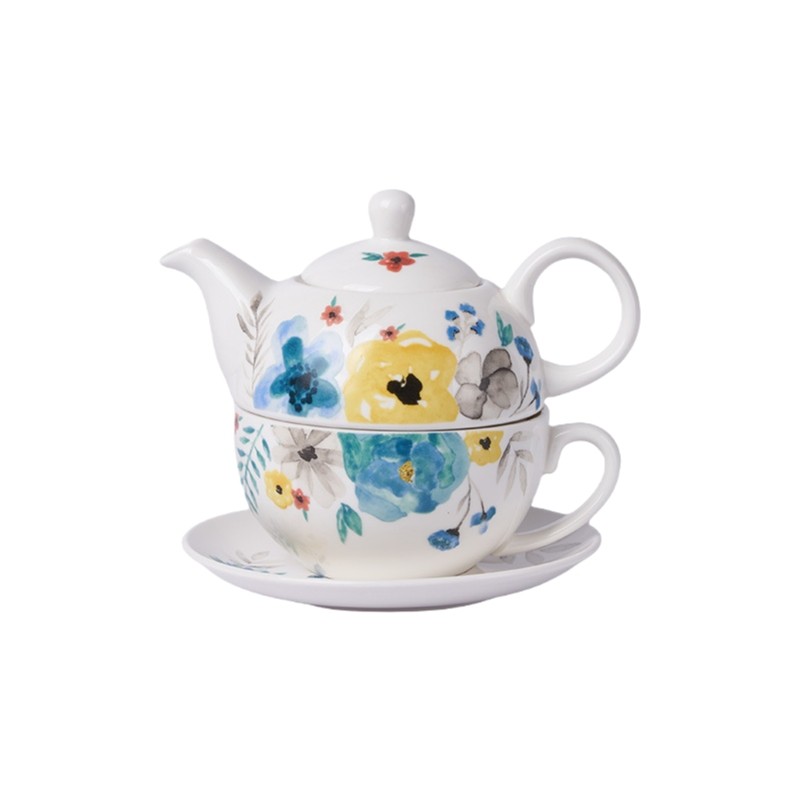
"Featured Tableware for EU Sourcing"
Explore products featured in this guide:
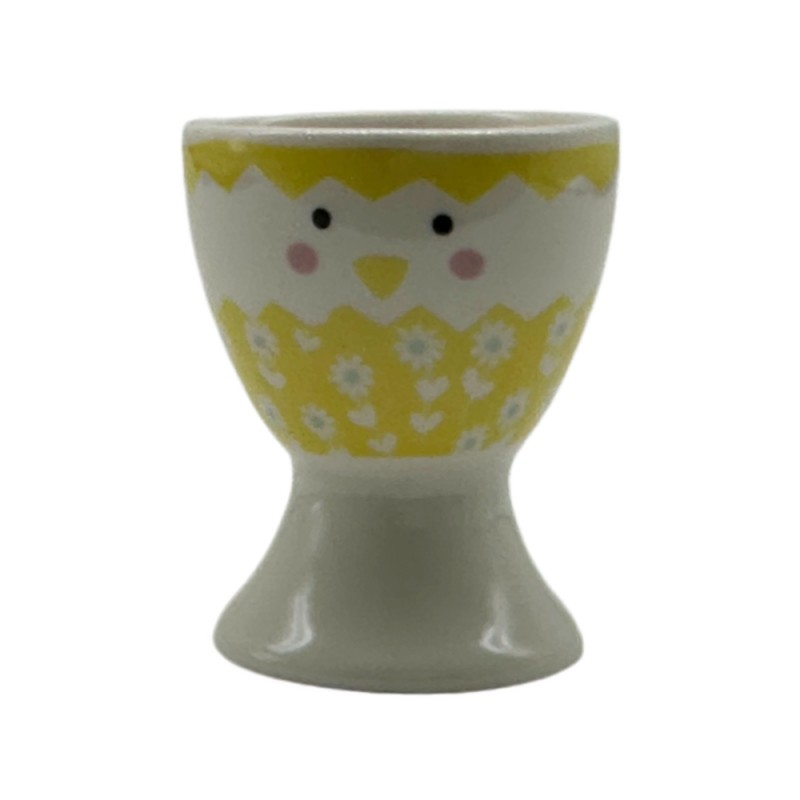
Have questions? See our Sizes & Finishes FAQ and Ordering & Certifications FAQ.
Related guides: EU Lead & Cadmium Limits · 2027 Mug Design Trends
Need a custom quote? Send an inquiry or browse our full product catalog.