EU Food-Contact Ceramics 2026: New Lead & Cadmium Limits Buyers Must Check
The Regulation Change That Quietly Happened in May 2026
Most ceramic tableware buyers know the big names: FDA in the US, LFGB in Germany, Prop 65 in California. But in 2026, two smaller EU markets quietly set stricter bars that matter for every shipment into Europe.
- Luxembourg revised its food-contact ceramics regulation effective May 19, 2026.
- The Netherlands followed with equivalent rules effective May 29, 2026.
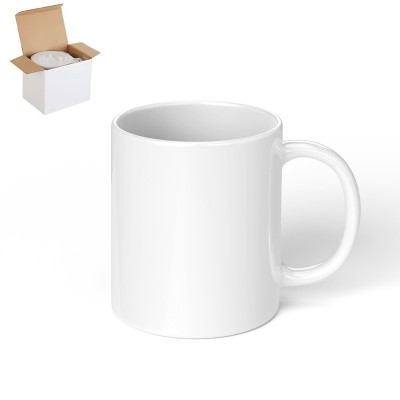
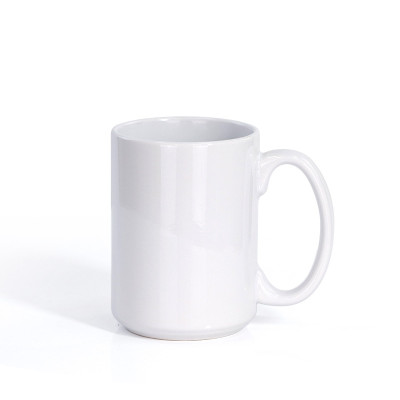
Both tightened lead and cadmium migration limits for food-contact ceramic ware. For category 2 vessels (large capacity items such as plates, bowls, and mugs above a certain volume), the new lead limit is 30 µg/L and cadmium 20 µg/L — and some categories are stricter. The practical effect: your existing LFGB or FDA test report may no longer be sufficient if it was issued against the older, looser limits.
This is not a niche concern. EU importers are already asking suppliers to produce fresh test reports dated after the new limits. If your factory's glaze chemistry was formulated years ago, the numbers can fail.
Why This Matters for Buyers and Suppliers
For EU buyers: Every pallet of dinnerware you import now carries compliance risk. A batch that passed testing last year could be flagged this year. You need suppliers who can prove the glaze meets the 2026 limits with a report from the *current* batch, not a generic certificate from 2023.
For China suppliers: Export margins are already under pressure from the VAT export rebate cancellation (April 2026) and anti-dumping reviews in the UK. A compliance failure at the EU border means a rejected container — the most expensive outcome possible. Adjusting glaze recipes and re-testing now is cheaper than a cargo return.
The 5-Point Compliance Checklist
Before you place or ship an order for EU-bound ceramic tableware, verify these five things:
- Fresh test report, current batch. Ask for a third-party report (SGS, TÜV, or equivalent) dated within the last 12 months, matching the exact glaze and decoration of the batch you are buying — not a template certificate.
- Lead & cadmium migration values, in writing. Get the actual µg/L numbers for both lead and cadmium, and confirm they fall under the 30/20 limits for your vessel category. If the supplier hesitates, that is your answer.
- Decoration placement matters. Gold, platinum, and bright overglaze decorations often contain higher metal content. Confirm whether your design uses metallic or lead-bearing overglazes — rims and interiors are the risk zones.
- LFGB report is not automatically enough. Germany's LFGB is respected, but Luxembourg/Netherlands limits can be stricter on specific categories. Check the numbers, not just the certificate name.
- Ask about glaze reformulation. If the supplier has reformulated glazes since April 2026 (many have, driven by export rebate changes), request the updated test evidence. New recipes can mean new results.
What to Ask Your Supplier (Copy-Paste Email)
> "Could you please share the latest third-party test report for this product's food-contact glaze, dated within the last 12 months? Please confirm the lead and cadmium migration values in µg/L, and that they meet the Luxembourg (May 2026) and Dutch (May 2026) limits of 30 µg/L lead and 20 µg/L cadmium for category 2 ware. Also confirm whether the decoration uses any metallic or lead-bearing overglaze."
Send that email and see how the supplier responds. The ones who answer with a current report and specific numbers are the ones who will ship without border surprises.
How Storiware Keeps It Simple
Storiware tests every production batch for lead and cadmium migration and provides batch-specific documentation on request. Our standard glazes are formulated to meet FDA, LFGB and the 2026 EU migration limits, and we advise buyers on decoration choices that keep compliance risk low. If you are sourcing for Europe, ask us for the current test report on any product you are considering — we will share the numbers.
Sourcing compliant ceramic tableware for the EU in 2026 does not have to be complicated. Verify the five points above, keep the checklist with your PO, and choose a supplier that treats test reports as part of the product, not paperwork.
"Compliant Ceramic Tableware from Storiware"
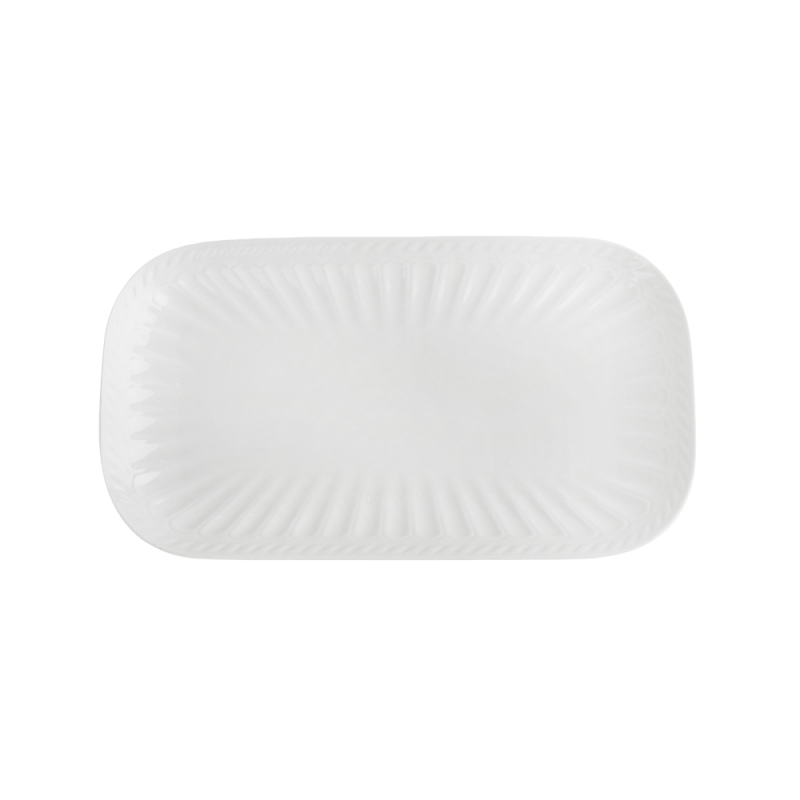
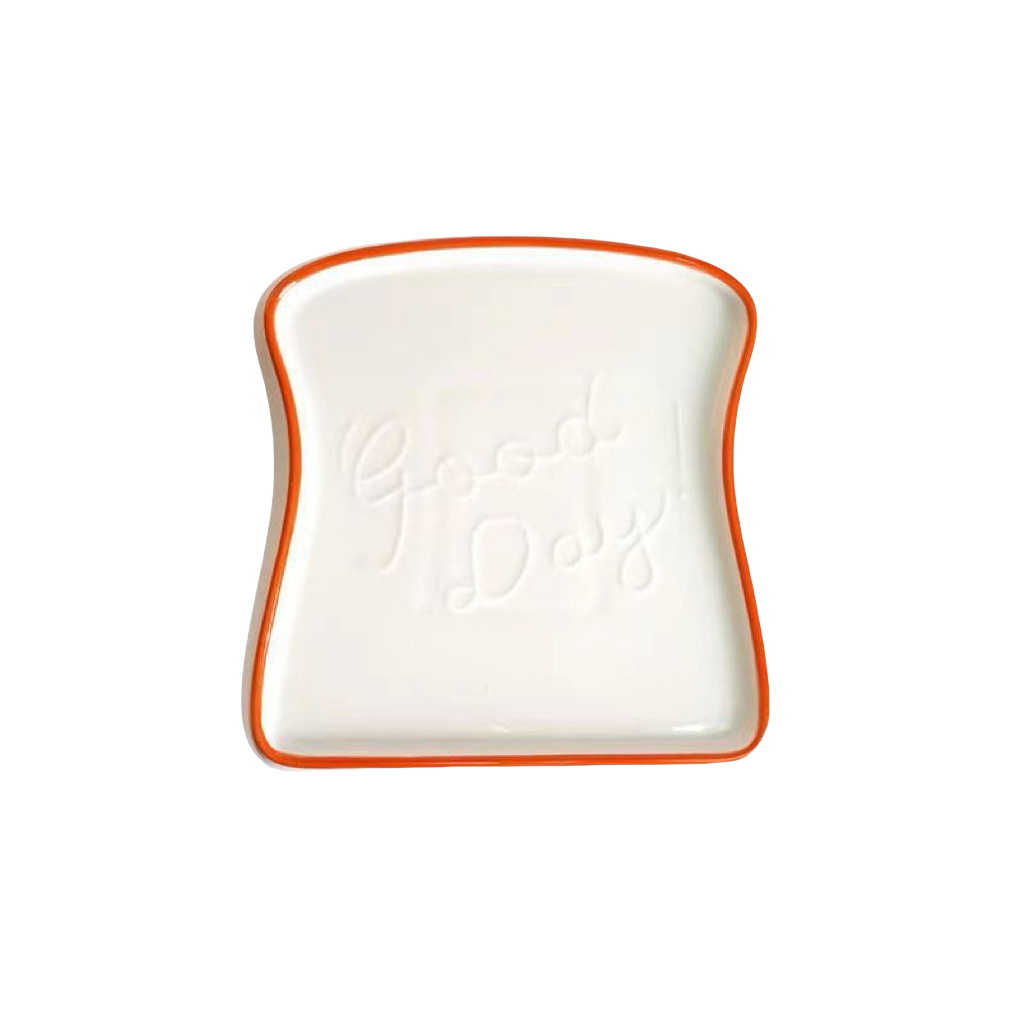
Explore products featured in this guide:
Have questions? See our Sizes & Finishes FAQ and Ordering & Certifications FAQ.
Need a custom quote? Send an inquiry or browse our full product catalog.